

XINYUE
PROJECTS
06
2026
-
05
Prefabricated Steel Structure: Efficient, Durable, and Flexible Construction Solution
Chinese Prefabricated Steel Structure customize offers strong construction, precise fabrication, and flexible design for modern buildings
In modern construction, speed, cost-effectiveness, and structural reliability are key considerations. The prefabricated steel structure has become a preferred solution for industrial, commercial, and residential buildings due to its high strength, ease of assembly, and versatility.
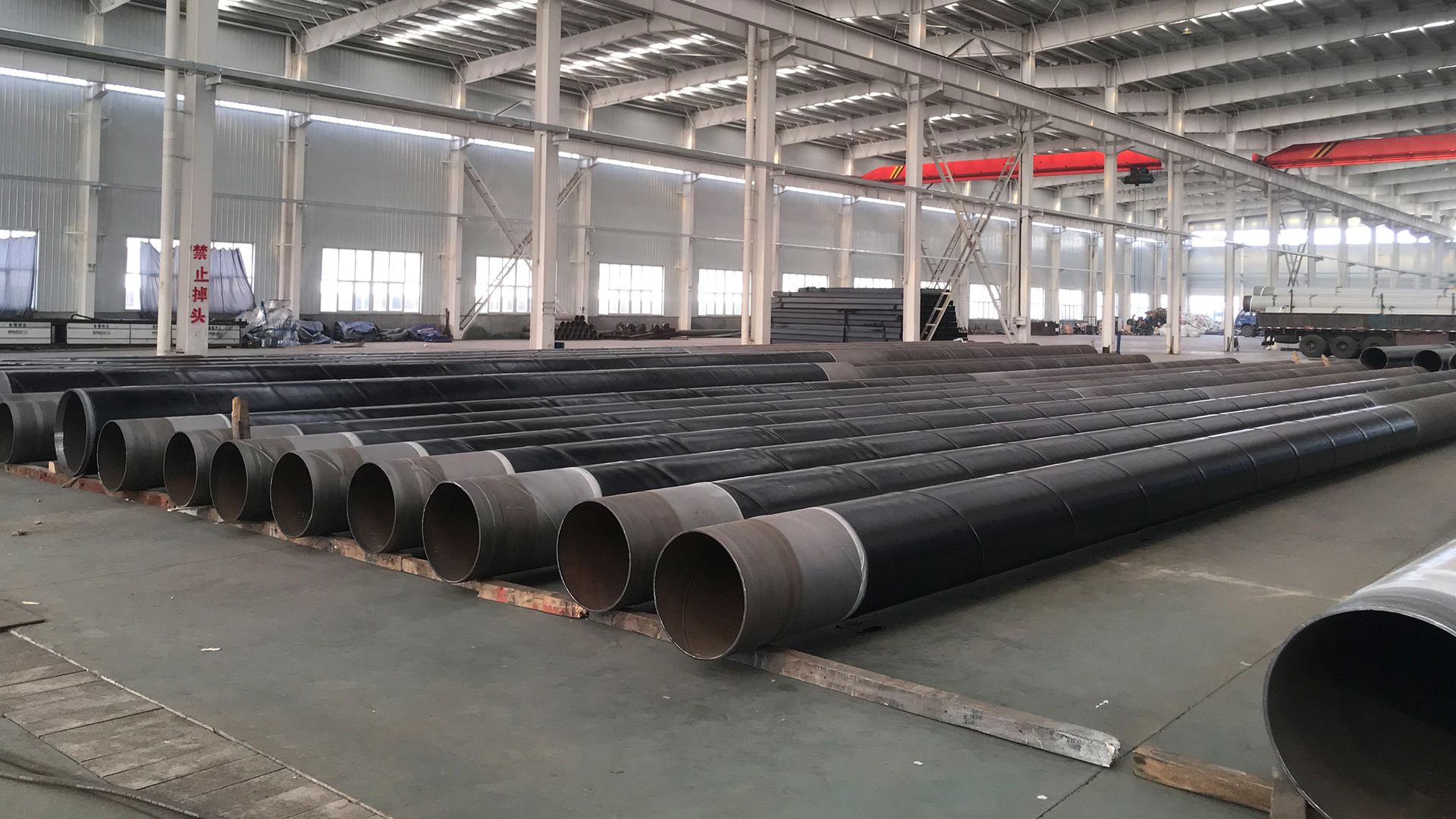
A prefabricated steel structure refers to a building system where steel components such as beams, columns, and panels are manufactured in a factory, then transported to the construction site for assembly. This approach minimizes on-site labor, reduces construction time, and ensures consistent quality.
One of the main advantages of a prefabricated steel structure is rapid construction. Factory fabrication allows multiple components to be prepared simultaneously while site preparation occurs, greatly reducing overall project timelines.
Durability is another key benefit. Steel has excellent structural strength and resistance to corrosion, fire, and pests. When combined with protective coatings, prefabricated steel structures provide long-lasting performance even in harsh environments.
Flexibility is a hallmark of prefabricated steel structures. They can be designed for a wide variety of applications, including warehouses, factories, office buildings, residential complexes, sports facilities, and temporary shelters.
Cost-effectiveness is enhanced through reduced on-site labor and material waste. Since components are manufactured in controlled factory conditions, precision cutting and welding reduce errors, lowering overall construction costs.
In industrial applications, prefabricated steel structures are widely used for large-span warehouses and production facilities, allowing for open interior spaces without internal load-bearing walls.
In commercial construction, office buildings and retail spaces benefit from the modular design, which allows for future expansion or modification with minimal disruption.
The environmental impact is reduced as prefabricated steel structures are made of recyclable materials, and factory fabrication minimizes on-site waste and noise pollution.
Installation is relatively simple. Components are bolted or welded together on-site, often requiring fewer specialized workers and equipment compared to traditional concrete or masonry construction.
Seismic and weather resistance is another advantage. Steel’s flexibility and tensile strength make prefabricated steel structures more resilient to earthquakes, strong winds, and heavy snow loads compared to conventional structures.
Maintenance is straightforward. Steel structures require minimal upkeep, and damaged components can be replaced individually without affecting the entire structure.
Automation and precision fabrication are increasingly integrated. Modern factories use CNC cutting, robotic welding, and laser alignment to ensure high-quality components for prefabricated steel structures.
Overall, the prefabricated steel structure is a versatile, strong, and efficient building solution. Its combination of durability, rapid construction, and adaptability makes it ideal for a wide range of industrial, commercial, and residential applications.
Prefabricated Steel Structure

undefined