

XINYUE
PROJECTS
16
2025
-
09
How Hot Dip Galvanized Steel Pipes Enhance the Longevity of Your Structures
How Hot Dip Galvanized Steel Pipes Enhance the Longevity of Your Structures Table of Contents 1. Introduction to Hot Dip Galvanized Steel Pipes 2. Corrosion Resistance: A Game Changer in Construction 3. Structural Integrity and Load-Bearing Capacity 4. Cost-Effectiveness of Hot Dip Galvanized Steel Pipes 5. Applications of Hot Dip Galvanized Steel Pipes in Construction
How Hot Dip Galvanized Steel Pipes Enhance the Longevity of Your Structures
Table of Contents
- 1. Introduction to Hot Dip Galvanized Steel Pipes
- 2. Corrosion Resistance: A Game Changer in Construction
- 3. Structural Integrity and Load-Bearing Capacity
- 4. Cost-Effectiveness of Hot Dip Galvanized Steel Pipes
- 5. Applications of Hot Dip Galvanized Steel Pipes in Construction
- 6. Proper Installation Techniques for Enhanced Longevity
- 7. Maintenance of Hot Dip Galvanized Steel Pipes
- 8. The Future of Hot Dip Galvanized Steel Pipes in Construction
- 9. Frequently Asked Questions
- 10. Conclusion
1. Introduction to Hot Dip Galvanized Steel Pipes
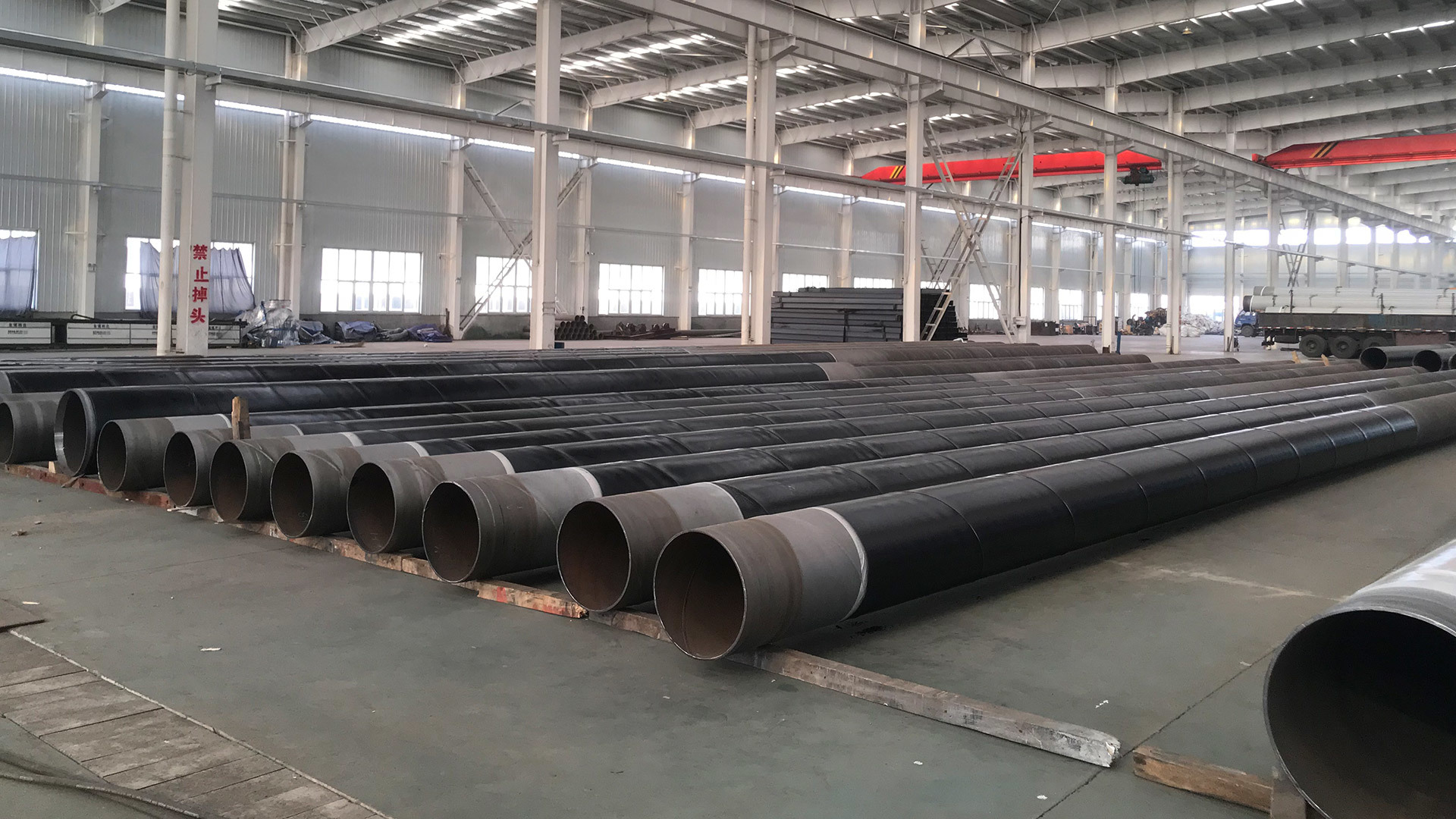
In the realm of construction, the choice of materials can significantly impact the durability and structural integrity of buildings and infrastructures. **Hot dip galvanized steel pipes** stand out as a premier choice, known for their exceptional resistance to corrosion and robust structural properties. This article aims to elucidate how these pipes can enhance the longevity of your structures, providing a detailed examination of their benefits and applications.
2. Corrosion Resistance: A Game Changer in Construction
Corrosion is one of the most detrimental factors affecting the lifespan of metal structures. **Hot dip galvanization** is a process that involves coating steel with a layer of zinc to create a protective barrier. This barrier not only prevents moisture and environmental contaminants from reaching the steel underneath but also sacrifices itself in the face of corrosion, effectively prolonging the life of the underlying metal.
The protective properties of hot dip galvanized steel pipes make them ideal for various applications, especially in harsh environments such as coastal areas where salt and humidity can accelerate corrosion. By choosing these pipes, builders can significantly reduce the need for frequent repairs and replacements, ultimately enhancing the longevity of the structure.
Understanding the Galvanization Process
The **hot dip galvanization process** involves several steps: surface preparation, dipping the steel in molten zinc, and allowing it to cool. Each of these steps is critical in ensuring a strong bond between the zinc coating and the steel surface. The result is a finished product that is not only aesthetically pleasing but is also highly functional in terms of corrosion resistance.
3. Structural Integrity and Load-Bearing Capacity
When considering construction materials, it is crucial to assess their structural integrity. Hot dip galvanized steel pipes are renowned for their high tensile strength, making them suitable for load-bearing applications. This material can withstand significant weight and pressure, ensuring the stability and safety of the structure.
Moreover, the consistent quality of hot dip galvanized pipes means that builders can rely on their performance across various applications, from residential buildings to industrial structures. This reliability reduces the risks associated with construction and can lead to lower insurance costs over time.
Standards and Certifications
To ensure the quality and reliability of hot dip galvanized steel pipes, various standards and certifications are in place. Adhering to these standards, such as ASTM A123 and ISO 1461, guarantees that the pipes meet the necessary criteria for strength, corrosion resistance, and overall quality. Builders should always check for certifications when purchasing materials to ensure they are using top-quality products.
4. Cost-Effectiveness of Hot Dip Galvanized Steel Pipes
Investing in hot dip galvanized steel pipes can lead to long-term cost savings. The initial cost may be higher than that of untreated steel, but the benefits far outweigh the initial investment. The **reduced maintenance costs** associated with their corrosion resistance mean that builders can save money over time, making these pipes a financially prudent choice.
Furthermore, the extended lifespan of hot dip galvanized pipes means that fewer replacements are necessary, which translates to lower material costs in the long run. Organizations looking to maximize their budgets will find that opting for hot dip galvanized steel pipes is not just a smart choice, but a sustainable one.
5. Applications of Hot Dip Galvanized Steel Pipes in Construction
Hot dip galvanized steel pipes are versatile and can be utilized in various applications within the construction industry. Some common uses include:
5.1. Structural Frameworks
These pipes serve as essential components in the structural framework of buildings, providing strength and support.
5.2. Electrical and Plumbing Systems
Hot dip galvanized pipes are frequently used in plumbing and electrical systems due to their ability to resist corrosion, ensuring longevity and reliability.
5.3. Fencing and Guardrails
Their durability makes them an excellent choice for fencing and guardrails, providing safety without compromising aesthetics.
5.4. Agricultural Structures
In agriculture, these pipes are used in the construction of greenhouses and farm structures, where moisture resistance is vital.
5.5. Marine Applications
Given their corrosion resistance, hot dip galvanized steel pipes are ideal for marine environments, where exposure to saltwater can lead to rapid deterioration of untreated metals.
6. Proper Installation Techniques for Enhanced Longevity
To maximize the benefits of hot dip galvanized steel pipes, proper installation techniques must be followed. Builders should ensure that:
6.1. Surface Preparation is Done Correctly
Before installation, surfaces should be clean and free of contaminants to ensure a strong bond.
6.2. Appropriate Fasteners are Used
Using compatible fasteners that are also galvanized can prevent galvanic corrosion, which occurs when dissimilar metals are in contact.
6.3. Adequate Support is Provided
Pipes should be adequately supported to prevent sagging and stress, which can lead to structural failure over time.
7. Maintenance of Hot Dip Galvanized Steel Pipes
While hot dip galvanized steel pipes require minimal maintenance, regular inspections can help identify any potential issues early. Here are some maintenance tips:
7.1. Regular Inspections
Inspect pipes periodically for signs of corrosion, especially in areas where they are exposed to harsh conditions.
7.2. Cleaning
Remove any dirt or debris that may accumulate on the pipes, as this can trap moisture and promote corrosion.
7.3. Touch-Up Coating
If any areas of the zinc coating are damaged, applying a touch-up zinc paint can help restore the protective layer.
8. The Future of Hot Dip Galvanized Steel Pipes in Construction
As the construction industry evolves, the demand for sustainable and durable materials continues to rise. Hot dip galvanized steel pipes are well-positioned to meet these demands. Innovations in coating technology and advancements in steel production are likely to enhance the properties of these pipes further, making them even more appealing for future construction projects.
Sustainability initiatives and green building practices also favor the use of hot dip galvanized pipes, given their longevity and recyclability. As builders and designers seek to minimize their environmental impact, these pipes will play a crucial role in sustainable construction.
9. Frequently Asked Questions
9.1. What are hot dip galvanized steel pipes?
Hot dip galvanized steel pipes are steel pipes coated with a layer of zinc to protect against corrosion, enhancing their durability and lifespan.
9.2. How long do hot dip galvanized steel pipes last?
When properly installed and maintained, hot dip galvanized steel pipes can last for several decades, often exceeding 50 years in favorable conditions.
9.3. Are hot dip galvanized pipes environmentally friendly?
Yes, hot dip galvanized pipes are recyclable and have a long lifespan, reducing the need for frequent replacements and minimizing waste.
9.4. Can hot dip galvanized pipes be painted?
Yes, while they can be painted, it is essential to use paints that are compatible with galvanized surfaces to ensure adhesion and effectiveness.
9.5. What are the key benefits of using hot dip galvanized steel pipes?
The primary benefits include superior corrosion resistance, structural integrity, cost-effectiveness, and versatility across various applications.
10. Conclusion
Incorporating **hot dip galvanized steel pipes** into your construction projects is a wise decision that can enhance the longevity and sustainability of your structures. Their remarkable corrosion resistance, structural integrity, and cost-effectiveness make them an invaluable material in modern construction. By understanding the benefits and proper maintenance of these pipes, builders and developers can significantly improve the durability of their projects, ensuring that they stand the test of time. Investing in high-quality hot dip galvanized steel pipes not only benefits individual projects but also contributes to a more sustainable future in the construction industry.
hot dip galvanized steel pipe

undefined