

XINYUE
PROJECTS
31
2026
-
05
Understanding Petroleum Line Pipe: A Key Element in Structural Steel Applications
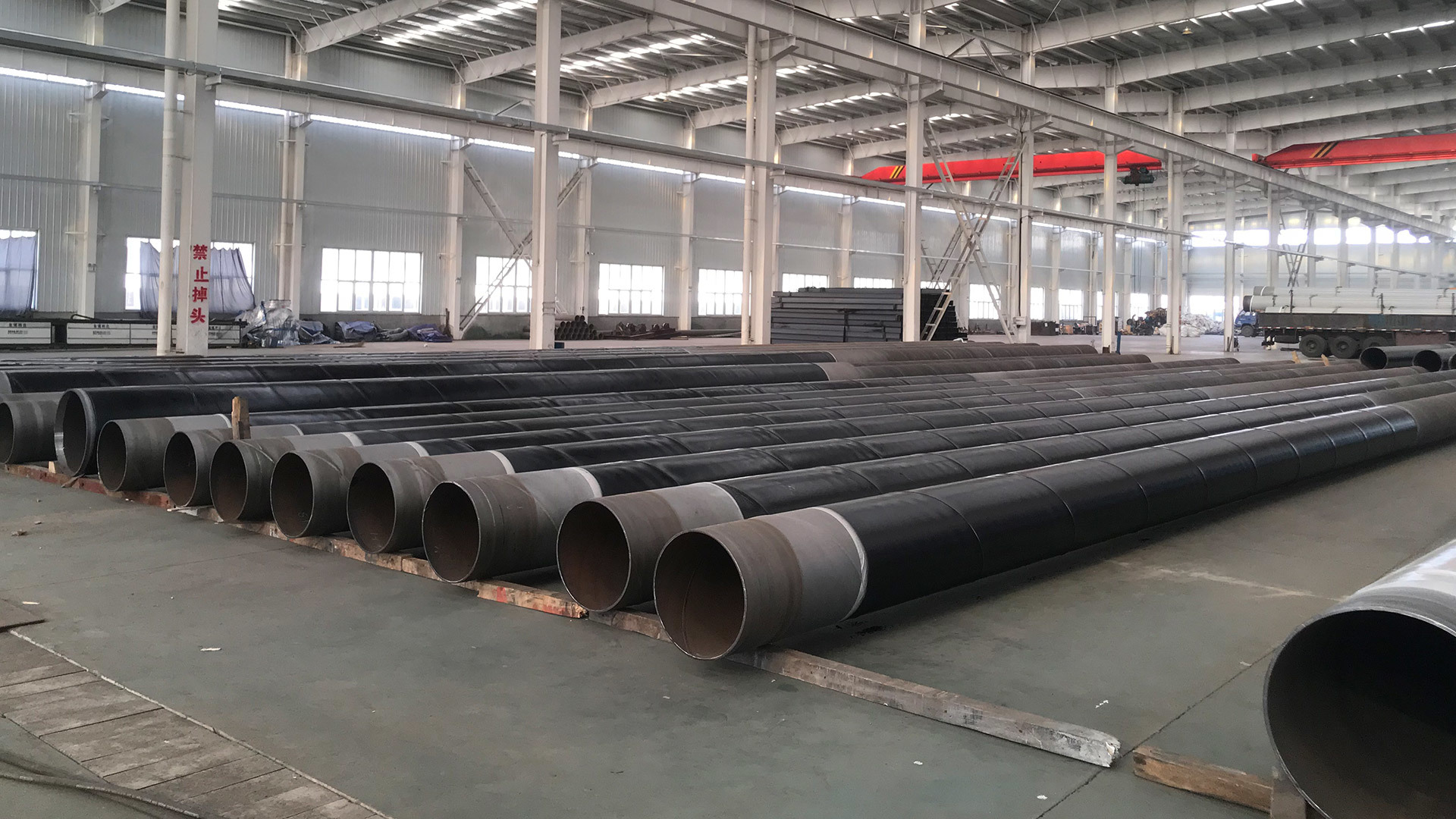
Petroleum line pipes are integral components in various applications, particularly in the construction and decoration materials sector. These pipes are designed to transport petroleum and natural gas efficiently and safely, but they also play a crucial role in structural frameworks. This article provides insights into the characteristics, advantages, and applications of petroleum line pipes, makin
Petroleum line pipes are integral components in various applications, particularly in the construction and decoration materials sector. These pipes are designed to transport petroleum and natural gas efficiently and safely, but they also play a crucial role in structural frameworks. This article provides insights into the characteristics, advantages, and applications of petroleum line pipes, making it essential reading for professionals involved in building and structural projects.
One of the primary features of petroleum line pipes is their material composition. Typically made from high-strength steel, these pipes are engineered to withstand extreme pressures and corrosive environments. The manufacturing process often involves advanced techniques such as seamless or welded configurations, enhancing their performance and durability. Understanding the specifics of these materials can help professionals select the appropriate type of pipe for their projects, ensuring longevity and reliability.
In the context of structural steel applications, petroleum line pipes offer significant versatility. They can be utilized not only for their intended purpose of transporting fluids but also as structural components in various construction settings. For instance, their strength makes them suitable for load-bearing applications, providing essential support in building frameworks. Additionally, the aesthetic qualities of these pipes can be leveraged in architectural designs, contributing to the overall visual appeal of structures.
Moreover, the use of petroleum line pipes can lead to enhanced project efficiency. Their robust design reduces the need for frequent replacements, minimizing maintenance costs over the lifecycle of a building. Furthermore, these pipes can be integrated into various construction methods, including modular construction, where prefabricated sections are assembled on-site. This approach can significantly expedite project timelines, allowing for quicker completion and reduced labor costs.
Safety is another critical consideration when working with petroleum line pipes. Compliance with industry standards and regulations is paramount to ensure their safe usage in construction projects. Professionals must be familiar with guidelines regarding pipe installation, testing, and maintenance to mitigate any potential risks associated with their application.
In conclusion, petroleum line pipes represent a noteworthy option within the realm of construction materials, particularly in structural steel applications. Their durability, versatility, and compliance with safety standards position them as valuable assets in the building industry. By understanding the unique properties and appropriate applications of these pipes, professionals can make informed decisions that enhance project outcomes and contribute to the successful completion of construction ventures.
Incorporating petroleum line pipes into your project plans could lead to innovative solutions and improved structural integrity, ultimately adding value to your construction efforts.
Petroleum Line Pipe

undefined