

XINYUE
PROJECTS
02
2025
-
12
A Comprehensive Guide to SSAW Steel Pipes and Their Applications
A Comprehensive Guide to SSAW Steel Pipes and Their Applications Table of Contents 1. Introduction to SSAW Steel Pipes 2. Manufacturing Process of SSAW Steel Pipes 3. Key Characteristics of SSAW Steel Pipes 3.1 Strength and Durability 3.2 Corrosion Resistance 3.3 Flexibility and Versatility 4. Applications of SSAW Steel Pipes
A Comprehensive Guide to SSAW Steel Pipes and Their Applications
Table of Contents
- 1. Introduction to SSAW Steel Pipes
- 2. Manufacturing Process of SSAW Steel Pipes
- 3. Key Characteristics of SSAW Steel Pipes
- 4. Applications of SSAW Steel Pipes
- 4.1 Oil and Gas Industry
- 4.2 Water Supply Systems
- 4.3 Construction and Infrastructure
- 4.4 Manufacturing and Industry
- 5. Maintenance and Care for SSAW Steel Pipes
- 6. The Future of SSAW Steel Pipes
- 7. Frequently Asked Questions
- 8. Conclusion
1. Introduction to SSAW Steel Pipes
Submerged Arc Welded (SSAW) steel pipes have emerged as a preferred choice in various sectors due to their remarkable performance and adaptability. These pipes are manufactured using a unique welding process that enhances their structural integrity, making them suitable for high-pressure applications. The main features that distinguish SSAW steel pipes include their spiral welding technique and ability to produce long lengths without joints, ensuring a continuous flow of materials.
As industries continue to grow and evolve, the demand for reliable piping solutions becomes more critical. This comprehensive guide delves into the specifics of SSAW steel pipes—covering everything from their manufacturing process to their diverse applications in various sectors.
2. Manufacturing Process of SSAW Steel Pipes
The manufacturing process of SSAW steel pipes involves several key steps that ensure the final product meets rigorous quality standards. The primary stages include:
Raw Material Selection
The process begins with the careful selection of high-quality steel coils. These coils are typically made from hot-rolled steel and are chosen for their mechanical properties, ensuring that the resulting pipes have strength and durability.
Forming and Welding
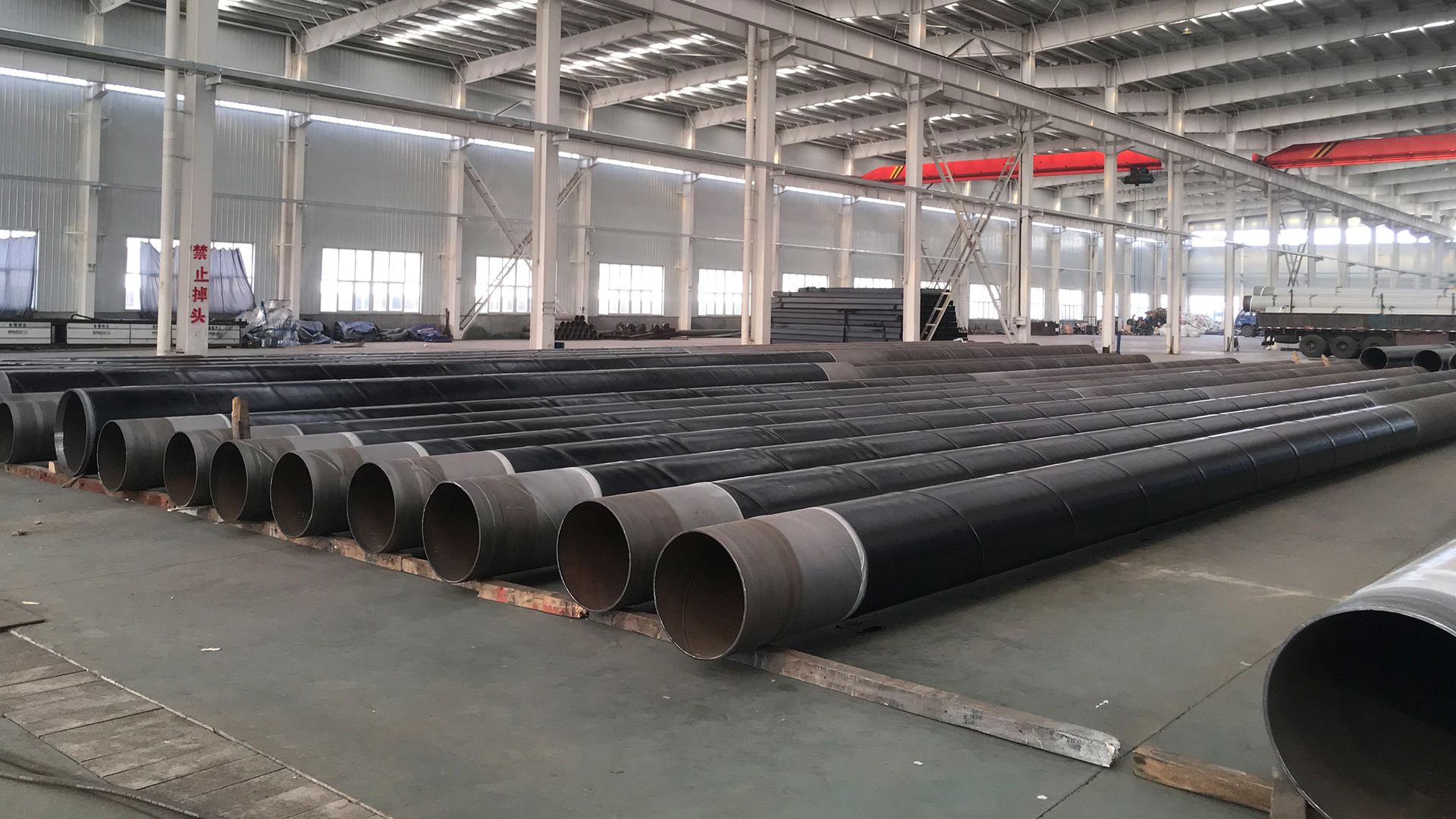
Next, the steel coils are unwound and formed into a spiral shape. The edges of the coil are brought together, and an automatic submerged arc welding process is employed to join these edges. This method not only provides strong welds but also minimizes the risk of defects, ensuring the integrity of the pipes.
Inspection and Testing
Once the pipes have been welded, they undergo rigorous inspection and testing. This includes non-destructive testing methods that evaluate the weld quality and overall structural integrity of the pipes. Any pipes that do not meet the required standards are discarded, ensuring only the highest quality products reach the market.
Finishing Process
The final stage involves surface treatment, where pipes are cleaned and, if necessary, coated for enhanced corrosion resistance. This treatment is crucial for extending the lifespan of the pipes and ensuring they can withstand harsh environmental conditions.
3. Key Characteristics of SSAW Steel Pipes
Understanding the key characteristics of SSAW steel pipes helps industries make informed decisions when selecting piping solutions. Here are some defining features:
3.1 Strength and Durability
SSAW steel pipes are renowned for their high tensile strength and durability. The spiral welding process contributes to a strong bond, making these pipes capable of withstanding extreme pressures and temperatures. This is particularly important in high-stress environments such as oil and gas transportation.
3.2 Corrosion Resistance
Corrosion resistance is a critical factor in the longevity of any piping system. SSAW steel pipes can be coated with various protective materials to enhance their resistance to rust and other corrosive elements. This feature is especially beneficial in applications where pipes are exposed to moisture or aggressive chemicals.
3.3 Flexibility and Versatility
The design and manufacturing process of SSAW steel pipes allow for customization in terms of diameter, wall thickness, and length. This flexibility makes them suitable for a wide range of applications, from large-scale industrial projects to small-scale residential installations.
4. Applications of SSAW Steel Pipes
SSAW steel pipes find applications across various sectors due to their reliability and performance. Here are some of the most significant areas where these pipes are utilized:
4.1 Oil and Gas Industry
The oil and gas sector extensively uses SSAW steel pipes for transporting crude oil, natural gas, and other hydrocarbons. Their high strength and ability to withstand extreme conditions make them ideal for both onshore and offshore applications.
4.2 Water Supply Systems
Water supply systems benefit from SSAW steel pipes due to their capacity to handle high-pressure water flow. These pipes ensure a steady supply of water for residential, commercial, and industrial use.
4.3 Construction and Infrastructure
In the construction sector, SSAW steel pipes are used for structural applications, including support beams and columns. Their durability and ability to bear heavy loads make them a popular choice for infrastructure projects such as bridges and buildings.
4.4 Manufacturing and Industry
Manufacturing facilities utilize SSAW steel pipes for various purposes, including transporting materials and as part of machinery. Their versatility makes them suitable for different industrial applications, contributing to efficiency and productivity.
5. Maintenance and Care for SSAW Steel Pipes
To maximize the lifespan of SSAW steel pipes, regular maintenance and care are essential. Here are some key practices to consider:
Regular Inspection
Conducting routine inspections helps identify any signs of wear or damage. Early detection of issues can prevent costly repairs or replacements down the line.
Cleaning
Keeping the pipes clean from debris and buildup is crucial for maintaining flow efficiency. Depending on the application, thorough cleaning may be required to remove any accumulated materials.
Protective Coatings
Reapplying protective coatings at regular intervals can enhance the corrosion resistance of SSAW steel pipes. Depending on the environment, different types of coatings may be recommended.
6. The Future of SSAW Steel Pipes
The future of SSAW steel pipes looks promising as industries continue to seek durable and efficient piping solutions. Advancements in technology are expected to improve manufacturing processes, resulting in even higher quality products. Additionally, as the push for sustainability grows, the development of eco-friendly coatings and materials will likely become a focus area, further enhancing the appeal of SSAW steel pipes in various applications.
7. Frequently Asked Questions
What are SSAW steel pipes primarily used for?
SSAW steel pipes are widely used in the oil and gas industry for transportation, as well as in water supply systems and construction projects due to their strength and versatility.
How are SSAW steel pipes different from other types of steel pipes?
The primary difference lies in the manufacturing process. SSAW pipes are made using a spiral welding technique, whereas other types, such as ERW pipes, utilize a straight seam welding method.
What are the advantages of using SSAW steel pipes?
SSAW steel pipes offer several advantages, including high strength, durability, flexibility in design, and excellent corrosion resistance.
How can I ensure the longevity of SSAW steel pipes?
Regular maintenance, including inspections and cleaning, along with the application of protective coatings, can significantly extend the lifespan of SSAW steel pipes.
Are SSAW steel pipes cost-effective?
While the initial investment may be higher than some alternatives, the long-term durability and low maintenance requirements of SSAW steel pipes often make them a cost-effective choice over time.
8. Conclusion
SSAW steel pipes are an integral part of modern infrastructure and industry, providing reliable solutions across a multitude of applications. Their unique manufacturing process ensures a product that is not only strong and durable but also versatile enough to meet various industry needs. By understanding the characteristics, applications, and maintenance of SSAW steel pipes, stakeholders can make informed decisions that optimize their projects and investments. As we move toward a future characterized by innovation and sustainability, SSAW steel pipes will undoubtedly continue to play a pivotal role in shaping the landscape of construction and beyond.
SSAW Steel Pipe
Previous page
Previous page

undefined