

XINYUE
PROJECTS
13
2026
-
01
Understanding the Lifecycle of Mild Steel Seamless Pipes in Construction: A Comprehensive Guide
Understanding the Lifecycle of Mild Steel Seamless Pipes in Construction Table of Contents Introduction to Mild Steel Seamless Pipes Manufacturing Process of Mild Steel Seamless Pipes Properties and Advantages of Mild Steel Seamless Pipes Applications of Mild Steel Seamless Pipes in Construction Installation Techniques for Mild Steel Seamless Pipes Maintenance and Monitori
Understanding the Lifecycle of Mild Steel Seamless Pipes in Construction
Table of Contents
- Introduction to Mild Steel Seamless Pipes
- Manufacturing Process of Mild Steel Seamless Pipes
- Properties and Advantages of Mild Steel Seamless Pipes
- Applications of Mild Steel Seamless Pipes in Construction
- Installation Techniques for Mild Steel Seamless Pipes
- Maintenance and Monitoring of Seamless Pipes
- End-of-Life Options for Mild Steel Seamless Pipes
- Sustainability and Recycling of Mild Steel Seamless Pipes
- Frequently Asked Questions
- Conclusion
Introduction to Mild Steel Seamless Pipes
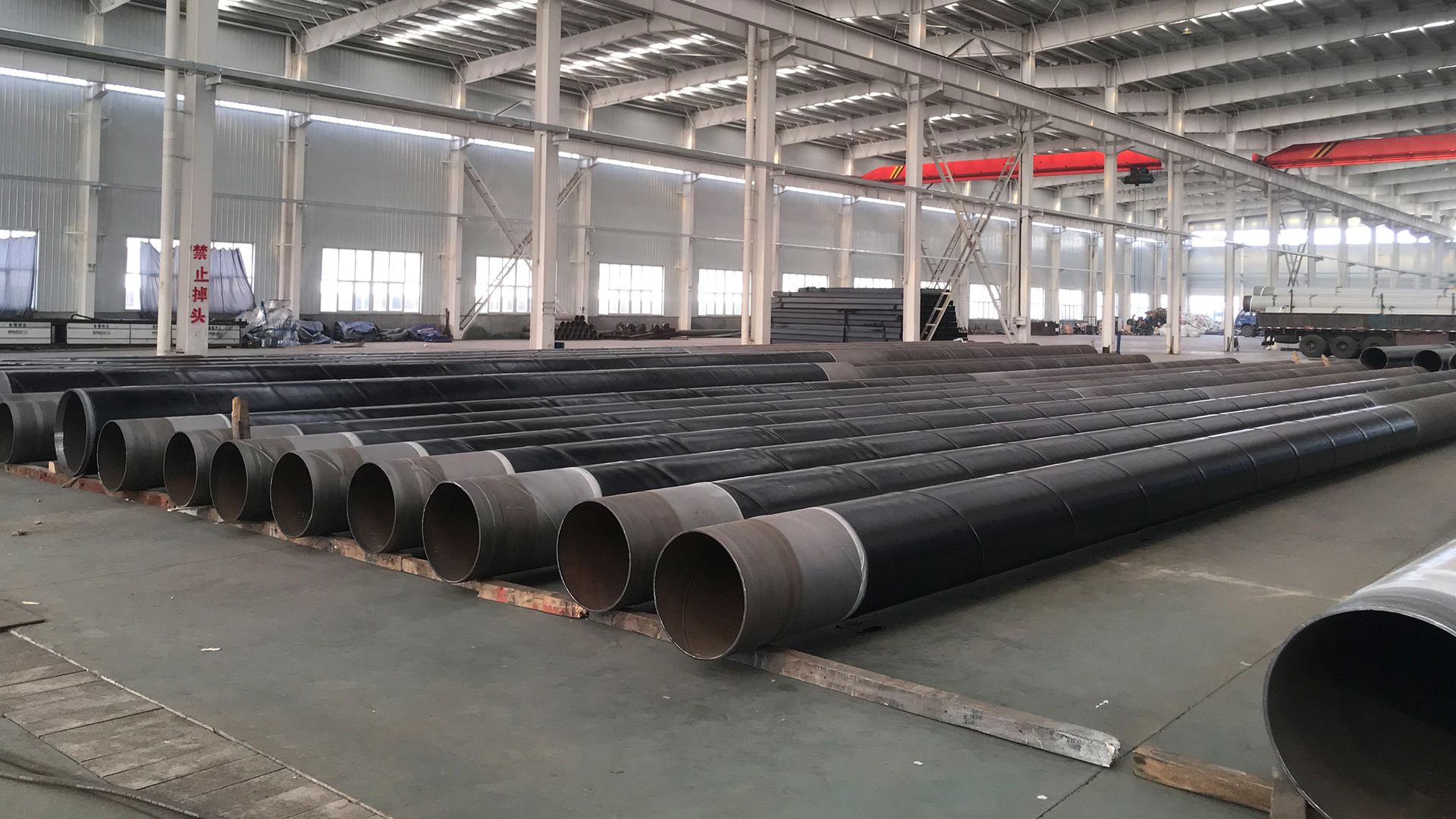
Mild steel seamless pipes have gained immense popularity in the construction industry due to their remarkable strength, durability, and versatility. These pipes are manufactured without any seams or welds, which significantly enhances their structural integrity. In this article, we will delve deeper into the lifecycle of these robust pipes, highlighting their manufacturing processes, applications in construction, installation techniques, and sustainability factors.
Manufacturing Process of Mild Steel Seamless Pipes
The manufacturing process of mild steel seamless pipes involves several critical stages:
1. Raw Material Selection
The journey begins with the careful selection of high-quality steel billets. These billets are produced through the reduction of iron ore, ensuring that they possess the requisite chemical and physical properties for pipe production.
2. Heating and Piercing
Once the billets are selected, they are heated to high temperatures (around 1200°C) in a furnace. The heated billets are then pierced using a piercing machine, which creates the initial hollow structure of the pipe.
3. Elongation and Stretching
After piercing, the hollow billet is subjected to elongation through a series of processes, including rotary piercing and elongation passes. This results in a seamless pipe that meets the industry standards in terms of size and thickness.
4. Heat Treatment
Post elongation, the seamless pipes undergo heat treatment to enhance their mechanical properties. This process often involves quenching and tempering, which increases the tensile strength and ductility of the pipes.
5. Finishing Processes
Finally, finishing processes such as surface cleaning, inspection, and coating are performed to ensure the pipes are free from defects and ready for use in construction projects.
Properties and Advantages of Mild Steel Seamless Pipes
Mild steel seamless pipes boast a range of properties that make them ideal for various construction applications:
1. High Strength and Durability
Mild steel seamless pipes are known for their exceptional strength, which allows them to withstand high pressure and heavy loads. This makes them suitable for use in structural applications where reliability is essential.
2. Corrosion Resistance
When properly coated, mild steel seamless pipes exhibit excellent resistance to corrosion, ensuring longevity in harsh environmental conditions. Protective coatings such as galvanization can further enhance their durability.
3. Versatile Applications
These pipes can be used in a variety of applications, including plumbing, HVAC systems, and industrial piping. Their versatility makes them a staple in the construction industry.
4. Cost-Effectiveness
Mild steel is relatively inexpensive compared to other materials such as stainless steel or alloy pipes. This cost-effectiveness makes seamless pipes an attractive choice for large construction projects.
5. Ease of Fabrication
Mild steel seamless pipes are easy to fabricate and can be welded, cut, or bent to meet specific project requirements, providing flexibility in design and execution.
Applications of Mild Steel Seamless Pipes in Construction
Mild steel seamless pipes are extensively used across various sectors within the construction industry:
1. Water Supply Systems
These pipes are commonly utilized in plumbing systems for water distribution. Their resistance to pressure and corrosion makes them ideal for both residential and commercial applications.
2. Structural Frameworks
Mild steel seamless pipes are often employed in structural frameworks for buildings and bridges, providing essential support and stability.
3. HVAC Systems
In heating, ventilation, and air conditioning (HVAC) systems, seamless pipes are used for the efficient transport of air and fluids, ensuring optimal performance.
4. Industrial Applications
Several industries, including oil and gas, power generation, and manufacturing, rely on mild steel seamless pipes for various applications, from transporting fluids to structural support.
5. Fire Protection Systems
These pipes are also essential components of fire protection systems, where they are used for water supply lines and sprinkler systems.
Installation Techniques for Mild Steel Seamless Pipes
Proper installation is crucial for maximizing the performance and longevity of mild steel seamless pipes:
1. Preparing the Site
Before installation, the site must be properly prepared, ensuring that the ground is level and free from debris. This step is essential for achieving stability.
2. Cutting and Joining
Mild steel seamless pipes can be cut to the desired length using cutting torches or saws. When joining pipes, various methods such as welding, threading, or flanging can be employed, depending on the application.
3. Support and Alignment
Adequate support and alignment are essential during the installation process. Proper support minimizes stress on the pipes and ensures that they are positioned correctly to avoid future complications.
4. Testing for Leaks
Once installed, it is vital to conduct thorough testing for leaks. This can be done by pressurizing the system and inspecting for any signs of leakage.
Maintenance and Monitoring of Seamless Pipes
Regular maintenance is key to ensuring the longevity and performance of mild steel seamless pipes:
1. Routine Inspections
Conducting routine inspections allows for the early detection of any potential issues, such as corrosion or wear. Inspections should focus on joints, supports, and exposed areas.
2. Cleaning and Coating
Regular cleaning and the application of protective coatings can prevent corrosion and buildup that may impact flow efficiency.
3. Monitoring for Pressure Changes
Monitoring the internal pressure of the pipes can provide insights into potential blockages or weaknesses. Abnormal pressure readings should prompt further investigation.
End-of-Life Options for Mild Steel Seamless Pipes
When mild steel seamless pipes reach the end of their lifecycle, responsible disposal and recycling options are available:
1. Recycling
Mild steel is 100% recyclable, making it an environmentally friendly option. Scrap pipes can be melted down and repurposed for new products, reducing waste and conserving resources.
2. Reuse
In some cases, end-of-life pipes can be cleaned and reused in different applications, contributing to sustainable practices within the construction industry.
Sustainability and Recycling of Mild Steel Seamless Pipes
Sustainability is becoming increasingly important in construction practices. Mild steel seamless pipes offer numerous sustainable benefits:
1. Energy Efficiency
The production of mild steel seamless pipes requires less energy compared to other materials, contributing to lower carbon emissions during manufacturing.
2. Lifecycle Assessment
Conducting a lifecycle assessment of mild steel seamless pipes helps determine their overall environmental impact, highlighting the importance of recycling and sustainable practices.
3. Commitment to Green Building
Using mild steel seamless pipes aligns with green building initiatives, promoting sustainable construction methods that benefit both the environment and society.
Frequently Asked Questions
1. What are the key differences between seamless and welded pipes?
Seamless pipes are manufactured without seams or welds, providing superior strength and reliability. Welded pipes, on the other hand, are formed by welding together flat pieces of steel, which can lead to potential weaknesses.
2. How can I ensure the longevity of mild steel seamless pipes?
Regular maintenance, routine inspections, and protective coatings can significantly enhance the lifespan of mild steel seamless pipes.
3. Are mild steel seamless pipes suitable for high-pressure applications?
Yes, mild steel seamless pipes are designed to withstand high pressures, making them suitable for various applications, including oil and gas transport.
4. What is the role of coatings in protecting mild steel seamless pipes?
Protective coatings, such as galvanization, provide a barrier against corrosion and environmental damage, extending the longevity of the pipes.
5. Can mild steel seamless pipes be used in corrosive environments?
While mild steel seamless pipes can be used in corrosive environments, it is essential to apply appropriate coatings and conduct regular maintenance to prevent deterioration.
Conclusion
In conclusion, understanding the lifecycle of mild steel seamless pipes is crucial for construction professionals and industry stakeholders. From their manufacturing processes and applications to effective installation techniques and sustainability practices, these pipes play a vital role in modern construction. Emphasizing their durability, cost-effectiveness, and recyclability, we can appreciate how mild steel seamless pipes contribute significantly to the efficiency and sustainability of construction projects. By implementing best practices in maintenance and monitoring, we ensure that these essential components continue to meet the demands of the industry while promoting a greener future.
mild steel seamless pipe
Previous page
Previous page

undefined