

XINYUE
PROJECTS
03
2026
-
02
How to Select the Right Hot Dip Galvanized Steel Pipe for Your Construction Needs
How to Select the Right Hot Dip Galvanized Steel Pipe for Your Construction Needs When it comes to construction, selecting the right materials is crucial for ensuring the longevity and safety of any project. Among these materials, **hot dip galvanized steel pipes** stand out for their strength, durability, and corrosion resistance. This comprehensive guide will walk you through the process of sele
How to Select the Right Hot Dip Galvanized Steel Pipe for Your Construction Needs
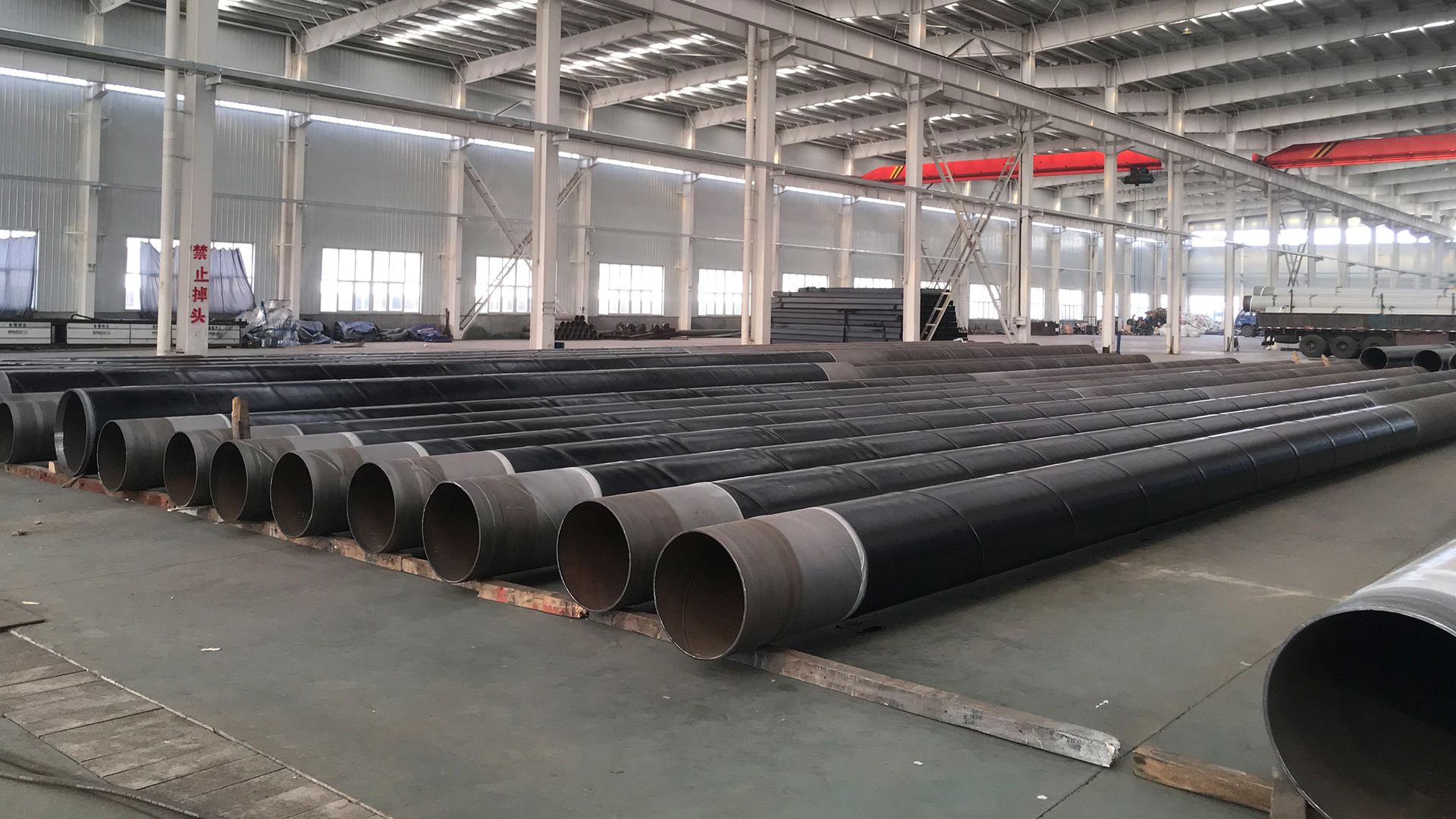
When it comes to construction, selecting the right materials is crucial for ensuring the longevity and safety of any project. Among these materials, **hot dip galvanized steel pipes** stand out for their strength, durability, and corrosion resistance. This comprehensive guide will walk you through the process of selecting the right hot dip galvanized steel pipe, ensuring your construction projects meet all necessary standards and requirements.
Table of Contents
- Understanding Hot Dip Galvanization
- Key Benefits of Hot Dip Galvanized Steel Pipes
- Factors to Consider When Selecting Steel Pipes
- Quality Indicators of Hot Dip Galvanized Steel Pipes
- Common Applications for Hot Dip Galvanized Steel Pipes
- Installation Considerations
- Maintenance Tips for Longevity
- Frequently Asked Questions (FAQs)
Understanding Hot Dip Galvanization
Hot dip galvanization is a process that involves coating steel pipes with a layer of zinc. This method protects the steel from corrosion, significantly enhancing its durability and lifespan. The process involves immersing the steel pipes in molten zinc, creating a metallurgical bond that ensures the coating adheres strongly to the pipe surface. This results in a robust protective layer that is less prone to wear and damage.
Key Benefits of Hot Dip Galvanized Steel Pipes
When considering construction materials, it's essential to understand the advantages of using hot dip galvanized steel pipes. Some of the key benefits include:
1. **Corrosion Resistance**: The zinc coating provides a protective barrier against moisture and environmental elements, reducing the risk of rust and corrosion.
2. **Longevity**: Hot dip galvanized steel pipes can last for decades, making them a cost-effective choice for long-term projects.
3. **Low Maintenance**: The durability of galvanized pipes reduces the need for frequent repairs and maintenance, saving time and resources.
4. **Versatility**: These pipes can be used in various applications, from residential projects to large industrial systems.
5. **Strength and Durability**: Hot dip galvanized steel pipes are known for their high tensile strength, making them suitable for demanding construction environments.
Factors to Consider When Selecting Steel Pipes
Choosing the right hot dip galvanized steel pipe involves several considerations to ensure it meets your specific construction needs.
Pipe Specifications
Before making a selection, familiarize yourself with the relevant specifications. Different projects may require specific standards, such as ASTM A53, ASTM A500, or API 5L. Understanding these specifications will help you choose pipes that meet industry standards for quality and performance.
Dimensions and Weight
The dimensions and weight of the pipes are critical factors in your selection process. Ensure that the pipes you choose meet the size requirements of your project. Common sizes for hot dip galvanized steel pipes include nominal pipe sizes (NPS) ranging from ½ inch to 36 inches. Additionally, consider the wall thickness, as this will impact both the weight and strength of the pipe.
Corrosion Resistance
While all hot dip galvanized steel pipes offer corrosion protection, the level of resistance may vary based on the thickness of the zinc coating. It's essential to assess the environment in which the pipes will be used. For instance, pipes exposed to harsh conditions may require a thicker coating to ensure adequate protection.
Quality Indicators of Hot Dip Galvanized Steel Pipes
When selecting hot dip galvanized steel pipes, look for certain quality indicators to ensure you are purchasing a reliable product:
1. **Zinc Coating Thickness**: A thicker zinc coating typically indicates better corrosion resistance. Check for compliance with specifications, such as ASTM A123.
2. **Surface Condition**: Inspect the surface for any irregularities, such as rust or pitting. A smooth, uniform surface is essential for optimal performance.
3. **Certification**: Choose suppliers that provide certification for their products, confirming compliance with industry standards.
4. **Test Reports**: Request test reports that indicate the mechanical properties and chemical composition of the steel used.
Common Applications for Hot Dip Galvanized Steel Pipes
Hot dip galvanized steel pipes have a wide range of applications across various industries, including:
- **Construction**: Used in structural frameworks, scaffolding, and reinforcement applications.
- **Agriculture**: Commonly utilized for fencing, irrigation systems, and livestock housing.
- **Transportation**: Employed in highway guardrails, bridges, and other infrastructure projects.
- **Utilities**: Ideal for water distribution systems, gas pipelines, and electrical conduits.
Installation Considerations
Proper installation is crucial for maximizing the benefits of hot dip galvanized steel pipes. Here are some tips to ensure a successful installation:
1. **Plan Ahead**: Before installation, create a detailed plan that considers the layout and any potential obstacles.
2. **Use Proper Tools**: Ensure you have the right tools for cutting, threading, and joining pipes, such as pipe wrenches, cutters, and threaders.
3. **Follow Manufacturer Guidelines**: Adhere to any installation instructions provided by the manufacturer to ensure optimal performance.
4. **Inspect Joining Methods**: Common joining methods include welding, threading, and flange connections. Choose the appropriate method based on the project's requirements.
5. **Ensure Proper Support**: Provide adequate support and anchoring for pipes to prevent sagging or movement over time.
Maintenance Tips for Longevity
To ensure the longevity of hot dip galvanized steel pipes, implement the following maintenance strategies:
1. **Regular Inspections**: Conduct routine inspections to identify any signs of wear or damage, especially in high-stress areas.
2. **Clean the Surface**: Keep the surface free from debris and contaminants that may accelerate corrosion.
3. **Address Damage Promptly**: If any damage occurs, address it immediately. Repair chips or scratches in the zinc coating to prevent corrosion.
4. **Avoid Contact with Dissimilar Metals**: Prevent galvanic corrosion by avoiding direct contact between galvanized steel and other metals that could react negatively.
Frequently Asked Questions (FAQs)
1. What is hot dip galvanization?
Hot dip galvanization is a process that coats steel with a layer of zinc to protect it from corrosion.
2. How long do hot dip galvanized steel pipes last?
These pipes can last several decades, depending on the environmental conditions and maintenance practices.
3. Can hot dip galvanized steel pipes be welded?
Yes, they can be welded, but it's essential to remove the zinc coating at the weld area to ensure a strong bond.
4. How do I determine the appropriate size of steel pipe for my project?
Assess the specific needs of your project, including flow requirements and structural demands, to select the right size.
5. Are hot dip galvanized pipes suitable for drinking water systems?
Yes, they are often used in water distribution systems. However, ensure compliance with local regulations regarding potable water systems.
Conclusion
Selecting the right **hot dip galvanized steel pipe** for your construction needs is a critical step that can impact the success and durability of your project. By understanding the benefits, specifications, and quality indicators, you can make informed choices that align with your project requirements. Whether you're working on a residential building, agricultural project, or industrial application, utilizing quality galvanized steel pipes can provide the strength and reliability necessary for a successful outcome. Keep these guidelines in mind, and you'll be well-equipped to choose the right materials for your construction ventures.
hot dip galvanized steel pipe
Previous page
Previous page

undefined