

XINYUE
PROJECTS
17
2026
-
03
Understanding Seamless Steel Pipes: Essential Insights for the Construction Industry
Seamless steel pipes, known for their durability and strength, are produced without the need for welding, which makes them a preferred choice in various building applications. The manufacturing process involves the extrusion of solid steel billets into hollow tubes, resulting in a product that boasts uniform thickness and structural integrity. This inherent design contributes to the seamless pipe'
Seamless steel pipes, known for their durability and strength, are produced without the need for welding, which makes them a preferred choice in various building applications. The manufacturing process involves the extrusion of solid steel billets into hollow tubes, resulting in a product that boasts uniform thickness and structural integrity. This inherent design contributes to the seamless pipe's robustness, making it ideal for high-pressure environments and structural applications.
One of the key advantages of seamless steel pipes is their ability to withstand extreme conditions. Due to their lack of welds, these pipes are less prone to leakage and failure compared to welded counterparts. This is particularly important in construction, where the integrity and safety of materials are paramount. Seamless pipes are often utilized in high-stress environments, such as oil and gas pipelines, chemical processing, and structural supports in buildings.
In addition to their strength, seamless steel pipes offer excellent corrosion resistance. They can be treated with various coatings or finishes to enhance their durability, making them suitable for both indoor and outdoor use. This resistance to corrosion and wear extends the lifespan of the pipes, reducing maintenance costs and increasing the overall efficiency of construction projects.
The applications of seamless steel pipes in the construction industry are vast. They are commonly used for structural applications, such as columns and beams in buildings, as well as for mechanical purposes, including piping systems for fluid transport. Their versatility allows them to be engineered for specific requirements, including varying wall thicknesses and diameters, to meet the unique demands of any project.
When considering seamless steel pipes for a construction project, it is essential to assess factors such as the environmental conditions, load requirements, and specific application needs. Collaborating with experienced suppliers and engineers can help ensure optimal material selection and successful project execution.
In conclusion, seamless steel pipes are a vital component of modern construction and decorative materials. Their strength, corrosion resistance, and versatility make them an excellent choice for various applications in the building industry. Understanding the benefits and potential uses of seamless steel pipes can empower professionals in the construction sector to make informed decisions that enhance the safety and reliability of their projects. By leveraging the unique properties of seamless steel pipes, construction teams can achieve superior results, ensuring the longevity and success of their endeavors.
One of the key advantages of seamless steel pipes is their ability to withstand extreme conditions. Due to their lack of welds, these pipes are less prone to leakage and failure compared to welded counterparts. This is particularly important in construction, where the integrity and safety of materials are paramount. Seamless pipes are often utilized in high-stress environments, such as oil and gas pipelines, chemical processing, and structural supports in buildings.
In addition to their strength, seamless steel pipes offer excellent corrosion resistance. They can be treated with various coatings or finishes to enhance their durability, making them suitable for both indoor and outdoor use. This resistance to corrosion and wear extends the lifespan of the pipes, reducing maintenance costs and increasing the overall efficiency of construction projects.
The applications of seamless steel pipes in the construction industry are vast. They are commonly used for structural applications, such as columns and beams in buildings, as well as for mechanical purposes, including piping systems for fluid transport. Their versatility allows them to be engineered for specific requirements, including varying wall thicknesses and diameters, to meet the unique demands of any project.
When considering seamless steel pipes for a construction project, it is essential to assess factors such as the environmental conditions, load requirements, and specific application needs. Collaborating with experienced suppliers and engineers can help ensure optimal material selection and successful project execution.
In conclusion, seamless steel pipes are a vital component of modern construction and decorative materials. Their strength, corrosion resistance, and versatility make them an excellent choice for various applications in the building industry. Understanding the benefits and potential uses of seamless steel pipes can empower professionals in the construction sector to make informed decisions that enhance the safety and reliability of their projects. By leveraging the unique properties of seamless steel pipes, construction teams can achieve superior results, ensuring the longevity and success of their endeavors.
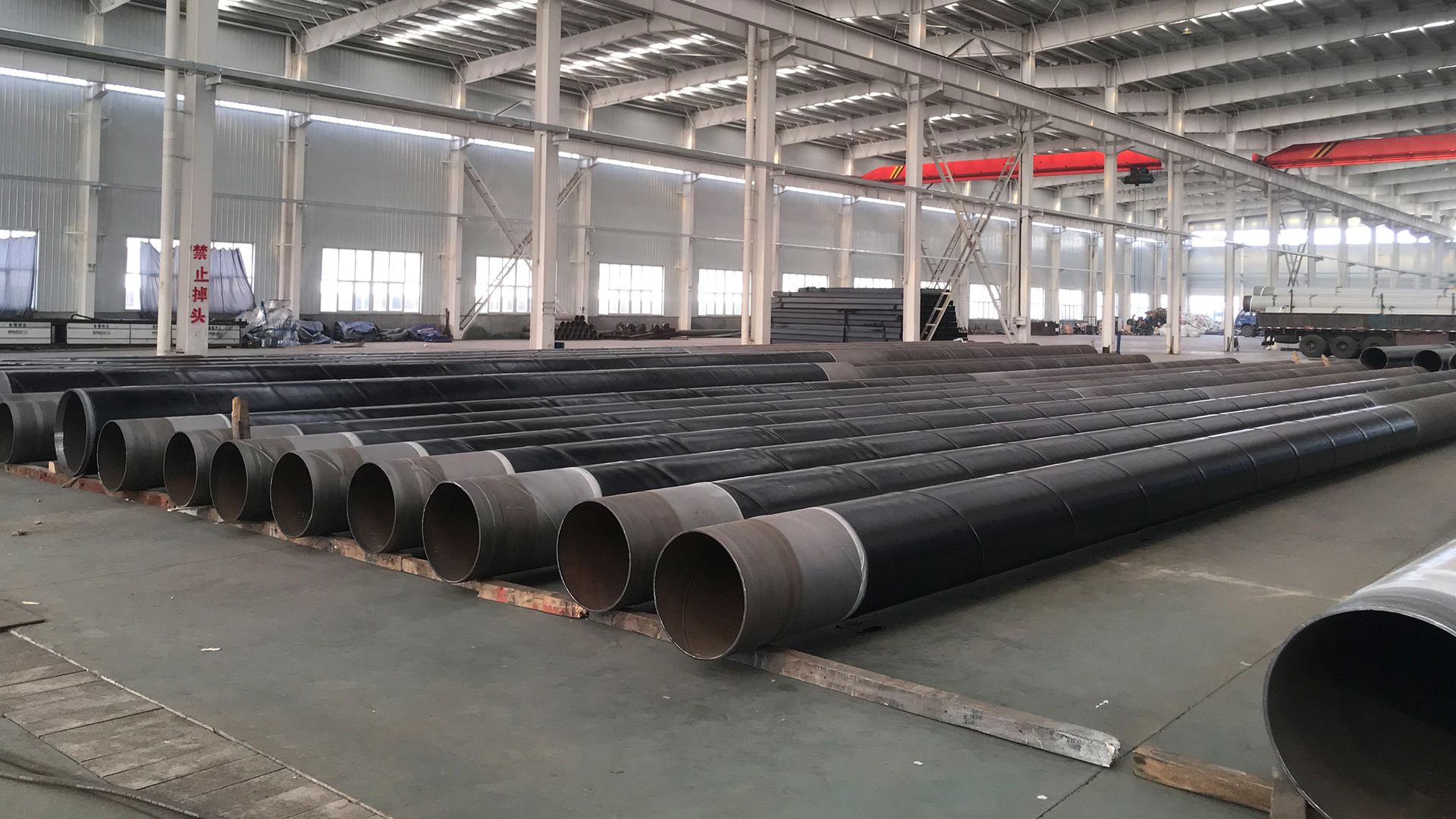
Seamless Steel Pipe
Previous page
Previous page

undefined