

XINYUE
PROJECTS
21
2026
-
04
Innovative Uses of SSAW Steel Pipes in the Building Industry
Innovative Uses of SSAW Steel Pipes in the Building Industry In the ever-evolving landscape of the building industry, materials that offer both durability and versatility are essential. **Spiral Submerged Arc Welded (SSAW) steel pipes** have emerged as game-changers, revolutionizing how structures are built and maintained. This article delves into the innovative applications of SSAW steel pipes, h
Innovative Uses of SSAW Steel Pipes in the Building Industry
In the ever-evolving landscape of the building industry, materials that offer both durability and versatility are essential. **Spiral Submerged Arc Welded (SSAW) steel pipes** have emerged as game-changers, revolutionizing how structures are built and maintained. This article delves into the innovative applications of SSAW steel pipes, highlighting their benefits and the impact they have on modern construction practices.
Table of Contents
- 1. Introduction to SSAW Steel Pipes
- 2. Key Characteristics of SSAW Steel Pipes
- 3. Innovative Applications in the Building Industry
- 3.1 Infrastructure Development
- 3.2 Water Transport Systems
- 3.3 Oil and Gas Transportation
- 3.4 Green Building Initiatives
- 4. Advantages of Using SSAW Steel Pipes
- 5. Cost-Effectiveness and Sustainability
- 6. Challenges and Limitations
- 7. Future Trends in SSAW Steel Pipe Usage
- 8. Frequently Asked Questions
- 9. Conclusion
1. Introduction to SSAW Steel Pipes
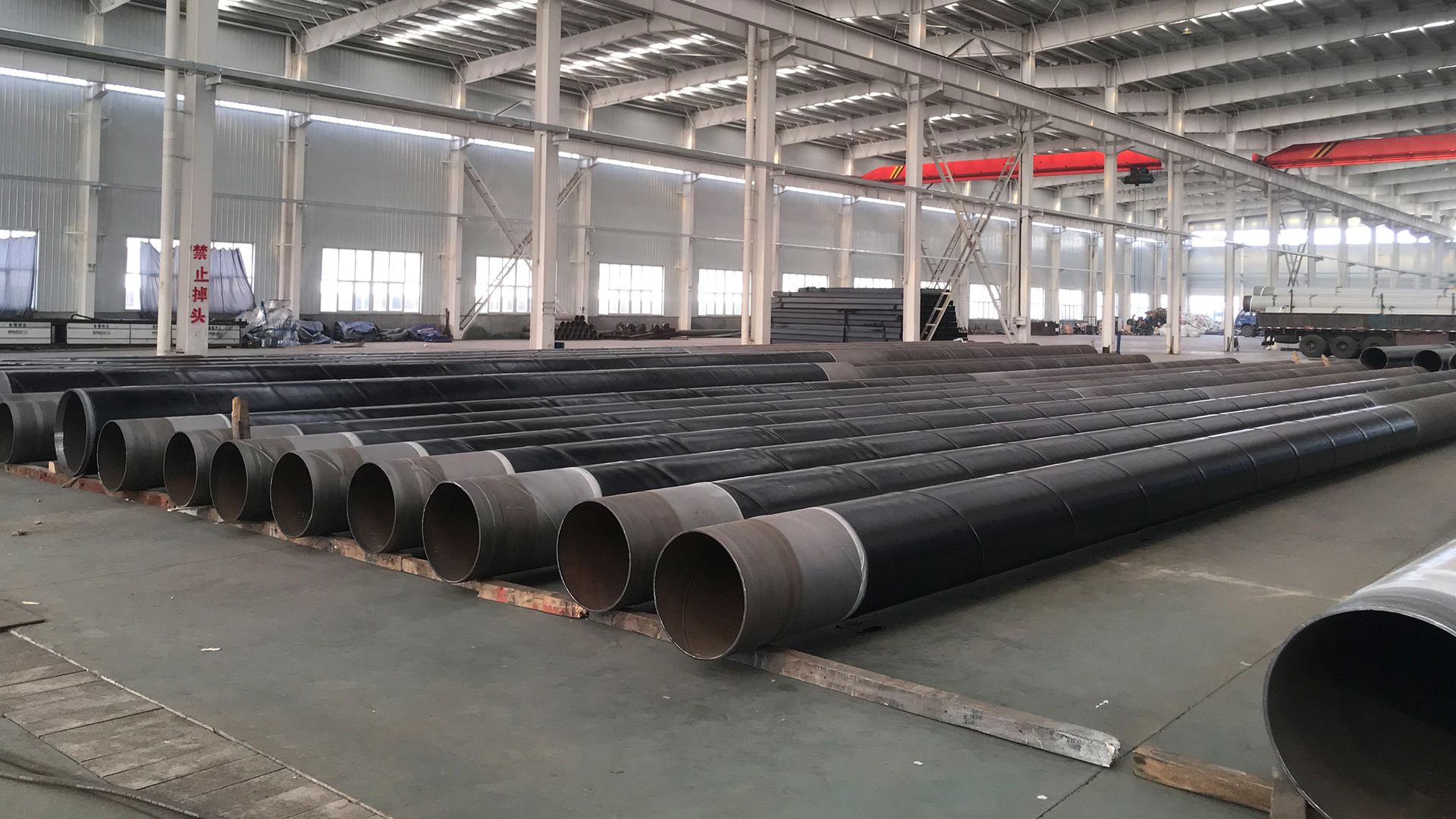
SSAW steel pipes are manufactured using a unique spiral welding technique that enables the production of pipes in varying diameters and thicknesses. This method not only enhances their structural integrity but also allows for the economical creation of long lengths, making them suitable for a variety of applications in construction and infrastructure.
2. Key Characteristics of SSAW Steel Pipes
The distinctive features of SSAW steel pipes make them an attractive choice in the building industry:
- High Strength: SSAW pipes are known for their robust construction, allowing them to withstand high pressures and extreme environmental conditions.
- Diverse Sizes: The spiral welding process permits the manufacture of pipes in various dimensions, catering to specific project requirements.
- Corrosion Resistance: When treated with appropriate coatings, SSAW steel pipes exhibit excellent resistance to corrosion, extending their lifespan.
- Cost-Effectiveness: The manufacturing process is efficient, resulting in lower production costs, which can lead to savings for construction projects.
3. Innovative Applications in the Building Industry
3.1 Infrastructure Development
SSAW steel pipes play a critical role in the development of infrastructure projects. Their strength and durability make them ideal for use in bridges, highways, and tunnels. Engineers leverage the ability to produce pipes in long lengths to minimize joints and welds, thus ensuring smoother operations and enhanced structural integrity.
3.2 Water Transport Systems
Water distribution systems require materials that can endure constant exposure to moisture and pressure. SSAW pipes are increasingly employed in municipal water lines and sewage systems due to their ability to resist corrosion and maintain structural integrity over time. This durability reduces the need for frequent repairs, providing municipalities with a reliable solution.
3.3 Oil and Gas Transportation
The oil and gas industry relies heavily on efficient and safe transportation methods. SSAW steel pipes are widely used in the transportation of crude oil and natural gas across vast distances. Their high-pressure tolerance and strength make them suitable for high-stakes applications, where any failure could lead to catastrophic consequences.
3.4 Green Building Initiatives
As the construction industry moves towards sustainability, SSAW steel pipes contribute significantly to green building practices. Their recyclability and long lifespan reduce resource consumption and waste. Additionally, they can be utilized in various environmentally friendly applications, such as rainwater harvesting systems and geothermal heating systems.
4. Advantages of Using SSAW Steel Pipes
The shift towards the adoption of SSAW steel pipes in the construction sector is driven by several advantages:
- Versatile Applications: Their ability to be customized for various applications makes SSAW pipes a versatile choice suitable for different sectors.
- Enhanced Safety: High-quality SSAW pipes undergo rigorous testing, ensuring they meet safety standards required for critical infrastructure.
- Reduced Maintenance Costs: With their durability and resistance to wear, SSAW pipes lead to lower maintenance costs over the life of the project.
- Efficient Installation: The lightweight nature of SSAW pipes compared to some alternatives makes them easier to handle and install, speeding up project timelines.
5. Cost-Effectiveness and Sustainability
Investing in SSAW steel pipes can result in significant long-term savings for construction projects. Their cost-effectiveness stems from:
- Lower Initial Costs: SSAW pipes are generally less expensive to produce than other types of pipes, especially when considering large-scale projects.
- Reduced Lifecycle Costs: The durability and low maintenance requirements lead to lower lifecycle costs, making them a financially sound investment.
- Environmental Benefits: The sustainability aspect of SSAW pipes aligns with modern green construction practices, appealing to eco-conscious developers.
6. Challenges and Limitations
While SSAW steel pipes offer numerous benefits, there are challenges that must be addressed:
- Welding Quality: The quality of the weld can significantly impact the performance of the pipes. Ensuring high-quality welding standards is crucial.
- Market Competition: The rise of alternative materials and pipe types may challenge the market share of SSAW pipes.
- Regulatory Compliance: Meeting the ever-evolving building codes and regulations can be a hurdle for manufacturers.
7. Future Trends in SSAW Steel Pipe Usage
The future for SSAW steel pipes looks promising, with trends indicating increased adoption due to technological advancements:
- Innovative Manufacturing Techniques: The integration of automation and advanced manufacturing processes can enhance production efficiency and quality.
- Smart Pipes: The development of smart SSAW pipes embedded with sensors to monitor structural integrity in real-time is on the rise.
- Increased Sustainability Practices: As environmental concerns grow, the focus on recyclable materials in construction will continue to elevate the importance of SSAW pipes.
8. Frequently Asked Questions
What are SSAW steel pipes?
SSAW steel pipes, or Spiral Submerged Arc Welded pipes, are manufactured by spirally welding steel plates. They are known for their strength and versatility in various applications.
Where are SSAW pipes commonly used?
SSAW pipes are commonly used in infrastructure development, water transport systems, oil and gas transportation, and green building initiatives.
What are the advantages of using SSAW steel pipes over other types?
SSAW pipes offer high strength, corrosion resistance, cost-effectiveness, and versatility, making them suitable for a wide range of applications.
Are SSAW steel pipes environmentally friendly?
Yes, SSAW pipes are recyclable and have a long lifespan, contributing to sustainable construction practices.
What challenges do manufacturers face when producing SSAW pipes?
Manufacturers must ensure high welding quality, navigate market competition, and comply with evolving regulations to succeed in the industry.
9. Conclusion
The innovative uses of SSAW steel pipes in the building industry highlight their essential role in modern construction. Their unique characteristics and advantages make them a preferred choice for engineers and builders alike. As the industry continues to evolve, the application of SSAW pipes will likely expand, driven by sustainability trends and technological advancements. Embracing these innovative materials will not only enhance construction practices but also contribute to a more sustainable future in the building industry.
SSAW Steel Pipe
Previous page
Previous page

undefined