

XINYUE
PROJECTS
04
2026
-
05
Why Choose Coal Tar Epoxy for Your Steel Pipe Needs? Discover the Benefits and Applications
Why Choose Coal Tar Epoxy for Your Steel Pipe Needs? Table of Contents Introduction to Coal Tar Epoxy What is Coal Tar Epoxy? Benefits of Using Coal Tar Epoxy Outstanding Corrosion Resistance Exceptional Durability and Longevity Cost-Effectiveness and Efficiency Applications of Coal Tar Epoxy Oil and G
Why Choose Coal Tar Epoxy for Your Steel Pipe Needs?
Table of Contents
- Introduction to Coal Tar Epoxy
- What is Coal Tar Epoxy?
- Benefits of Using Coal Tar Epoxy
- Outstanding Corrosion Resistance
- Exceptional Durability and Longevity
- Cost-Effectiveness and Efficiency
- Applications of Coal Tar Epoxy
- Understanding the Application Process
- Safety Considerations When Using Coal Tar Epoxy
- Frequently Asked Questions
- Conclusion
Introduction to Coal Tar Epoxy
In the realm of construction and industrial applications, selecting the appropriate materials is crucial for ensuring durability, safety, and cost-efficiency. One standout option is **coal tar epoxy**, a robust coating solution recognized for its remarkable properties. This article explores the features and advantages of coal tar epoxy when it comes to steel pipes, helping you understand why it is an exceptional choice for your needs.
What is Coal Tar Epoxy?
**Coal tar epoxy** is a type of protective coating derived from the distillation of coal tar. It is composed of a blend of coal tar pitch, epoxy resin, and hardeners, resulting in a substance that provides superior adhesion and tough protective qualities. This coating is engineered to withstand harsh environments, making it ideal for both internal and external applications on steel pipes.
Benefits of Using Coal Tar Epoxy
Outstanding Corrosion Resistance
One of the most significant advantages of coal tar epoxy is its **superior corrosion resistance**. When applied to steel pipes, it creates a barrier that protects against moisture, chemicals, and environmental pollutants. This protection is crucial in industries like oil and gas, where pipes are often exposed to corrosive substances.
Exceptional Durability and Longevity
Coal tar epoxy is renowned for its durability. The coating can withstand mechanical wear and tear, extreme temperatures, and UV radiation. This durability ensures that steel pipes maintain their integrity over time, reducing the need for frequent maintenance or replacements.
Cost-Effectiveness and Efficiency
Investing in coal tar epoxy can be cost-effective in the long run. Its longevity means fewer repairs and replacements, while its protective qualities reduce downtime. Moreover, coal tar epoxy is relatively easy to apply, leading to efficient project timelines and lower labor costs.
Applications of Coal Tar Epoxy
The versatility of coal tar epoxy makes it suitable for various applications, particularly in industries where steel pipes are prevalent.
Oil and Gas Industry
In the oil and gas sector, pipelines often face harsh conditions, including exposure to corrosive substances and extreme temperatures. Coal tar epoxy provides the necessary protection, ensuring the longevity and safety of these critical infrastructures.
Water and Wastewater Management
Coal tar epoxy is also widely used in water and wastewater management systems. Its ability to resist corrosion and degradation makes it an ideal choice for pipes that carry sewage and other waste materials.
Marine Applications
In marine environments, steel pipes are subject to saltwater exposure, which can lead to rapid corrosion. Coal tar epoxy’s water resistance and protective qualities make it a favored coating for marine applications, ensuring the durability of pipes in these challenging conditions.
Understanding the Application Process
Applying coal tar epoxy requires careful preparation and execution to achieve optimal results. Here’s a step-by-step guide to the process:
1. **Surface Preparation**: The steel surface must be thoroughly cleaned to remove any rust, contaminants, or old coatings. This step is crucial for ensuring proper adhesion.
2. **Mixing the Epoxy**: Follow the manufacturer’s instructions to mix the coal tar epoxy components accurately. Proper mixing is vital for achieving the desired chemical properties.
3. **Application**: Using a brush, roller, or spray equipment, apply the coal tar epoxy evenly across the surface. Ensure that no areas are missed and that the coating is applied to the recommended thickness for optimal protection.
4. **Curing**: Allow the epoxy to cure as per the manufacturer’s guidelines. Curing time may vary based on temperature and humidity levels.
5. **Inspection**: After curing, inspect the coated surface for any defects or missed areas. Touch-up as necessary to ensure complete coverage.
Safety Considerations When Using Coal Tar Epoxy
While coal tar epoxy is highly effective, it’s essential to follow safety guidelines during application. Here are some critical considerations:
- **Personal Protective Equipment (PPE)**: Always wear appropriate PPE, including gloves, goggles, and respirators, to protect against harmful fumes and skin contact.
- **Ventilation**: Ensure adequate ventilation in the application area to minimize exposure to vapors.
- **Storage**: Store coal tar epoxy in a cool, dry place, away from direct sunlight and sources of ignition.
- **Disposal**: Follow local regulations for the disposal of unused epoxy and containers to minimize environmental impact.
Frequently Asked Questions
1. What makes coal tar epoxy different from other coatings?
Coal tar epoxy offers superior corrosion resistance and durability compared to many conventional coatings. Its unique formulation provides a strong barrier against harsh environments.
2. How long does coal tar epoxy last?
When properly applied and maintained, coal tar epoxy can last for many years, often exceeding 15 years, depending on environmental conditions.
3. Can coal tar epoxy be used on concrete surfaces?
Yes, coal tar epoxy can be used on concrete, but surface preparation is crucial for proper adhesion.
4. Is coal tar epoxy safe for drinking water applications?
Coal tar epoxy is not typically recommended for drinking water applications due to potential leaching of harmful substances.
5. How can I maintain steel pipes coated with coal tar epoxy?
Regular inspections for signs of wear or damage can help maintain the integrity of the coating. Prompt repairs should be made if any defects are found.
Conclusion
Choosing coal tar epoxy for your steel pipe needs is a smart decision backed by its impressive properties and versatility. Its exceptional corrosion resistance, durability, and cost-effectiveness make it the preferred choice in various industries, from oil and gas to marine applications. By understanding the benefits and proper application process, you can ensure the longevity and safety of your steel infrastructures. Investing in coal tar epoxy not only protects your assets but also enhances the efficiency of your operations, paving the way for success in your projects.
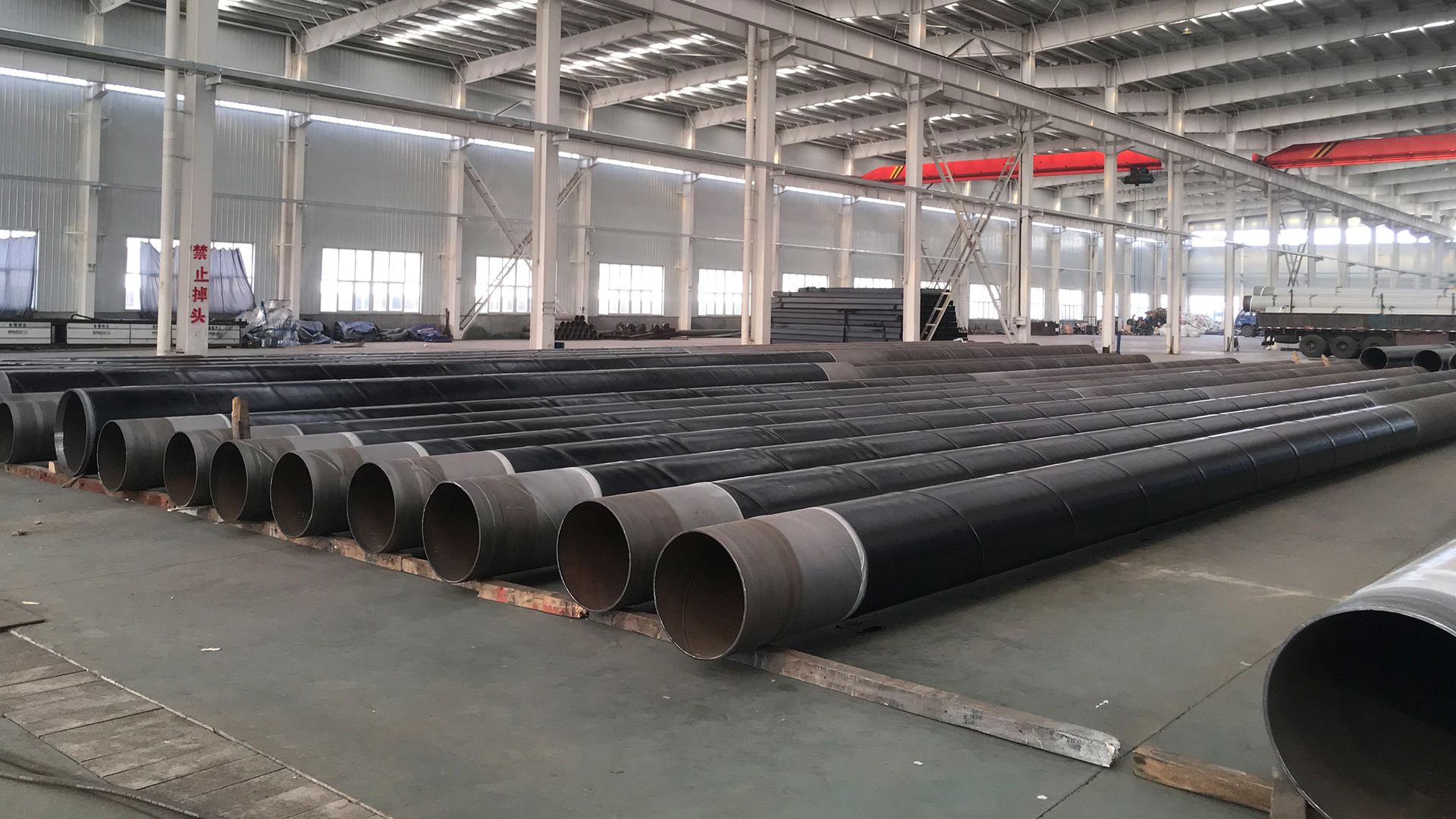
Coal Tar Epoxy Steel Pipe
Previous page
Previous page

undefined