

XINYUE
PROJECTS
06
2026
-
05
Why Steel Structural Prefabrication is Revolutionizing Construction
Why Steel Structural Prefabrication is Revolutionizing Construction Table of Contents Introduction to Steel Structural Prefabrication Benefits of Steel Structural Prefabrication Cost Efficiency in Construction Projects Time Savings Through Prefabrication Quality Assurance and Consistency Sustainability in Steel Structural Prefabrication The Installation Process of Prefabricated Steel Structures T
Why Steel Structural Prefabrication is Revolutionizing Construction
Table of Contents
- Introduction to Steel Structural Prefabrication
- Benefits of Steel Structural Prefabrication
- Cost Efficiency in Construction Projects
- Time Savings Through Prefabrication
- Quality Assurance and Consistency
- Sustainability in Steel Structural Prefabrication
- The Installation Process of Prefabricated Steel Structures
- The Future of Steel Prefabrication in Construction
- Frequently Asked Questions
- Conclusion
Introduction to Steel Structural Prefabrication
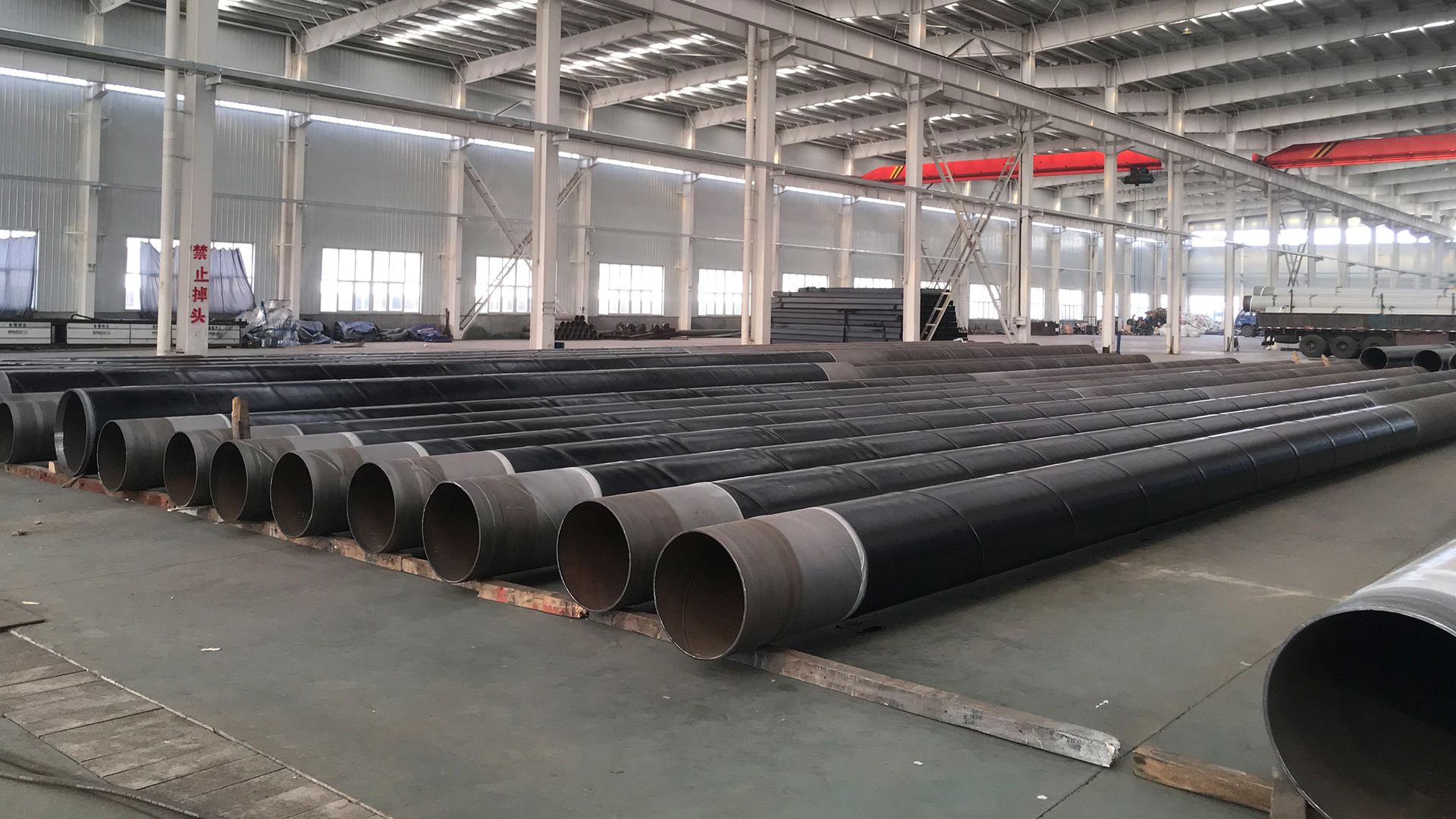
The construction industry is undergoing a paradigm shift with the advent of steel structural prefabrication. This innovative approach involves assembling building components in a controlled factory environment before transporting them to the construction site. By utilizing steel, which boasts exceptional strength, durability, and versatility, prefabrication streamlines the construction process and enhances overall project efficiency.
Benefits of Steel Structural Prefabrication
Steel structural prefabrication provides a multitude of advantages that make it an attractive choice for modern construction projects. Here, we delve into the key benefits that this method offers:
Enhanced Project Efficiency
Prefabrication allows for simultaneous construction of different project components, significantly reducing project timelines. While foundation work and site preparation are underway, fabricators can create steel components in a factory setting, leading to faster project completion.
Reduced Labor Costs
With prefabrication, less labor is required on-site, as many tasks are completed in a factory environment. This not only lowers overall labor costs but also minimizes the potential for delays caused by labor shortages or adverse weather conditions.
Improved Safety Standards
The construction site can be a hazardous environment. By shifting a significant portion of the work to a controlled factory setting, prefabrication enhances safety standards. Workers can operate in a more secure area, reducing the risk of accidents associated with traditional on-site construction.
Cost Efficiency in Construction Projects
Implementing steel structural prefabrication can lead to substantial cost savings throughout the construction process.
Material Waste Reduction
Prefabrication minimizes waste by utilizing precise cutting and fabrication techniques. The controlled environment of a factory allows for the meticulous measurement and planning of materials, resulting in less scrap and reduced costs.
Predictable Budgeting
With the prefabrication process, project timelines and budgets become more predictable. By having a clear understanding of costs associated with materials and labor, construction managers can better allocate resources and avoid unexpected expenses.
Time Savings Through Prefabrication
Time is a critical factor in construction, and steel structural prefabrication significantly shortens project timelines.
Accelerated Construction Schedule
The ability to fabricate components off-site while site preparation progresses enables faster overall project timelines. This is particularly beneficial for projects with tight deadlines, allowing for quicker occupancy of the finished structure.
Minimized Delays from Weather or Site Conditions
Weather-related delays are a common issue in traditional construction methods. However, by utilizing prefabrication, much of the work occurs in a controlled environment, reducing the impact of adverse weather conditions on the project timeline.
Quality Assurance and Consistency
One of the most significant advantages of steel structural prefabrication is the assurance of quality.
Controlled Manufacturing Environment
The factory setting allows for strict quality control measures to be implemented throughout the manufacturing process. Each component can be inspected and tested for quality before it reaches the construction site, ensuring consistency across all parts.
Enhanced Structural Integrity
Steel is known for its strength and durability. Prefabricated steel components are manufactured to meet specific engineering standards, resulting in structures that can withstand various environmental factors and stresses.
Sustainability in Steel Structural Prefabrication
In today’s world, sustainability is a key consideration in construction. Steel structural prefabrication aligns well with eco-friendly practices.
Recyclable Materials
Steel is inherently recyclable, making it a sustainable choice for construction. When buildings reach the end of their life cycle, the steel can be repurposed or recycled, reducing landfill waste.
Energy Efficiency
Prefabricated steel structures often require less energy to produce and assemble compared to traditional building methods. By optimizing the manufacturing processes and minimizing waste, prefabrication contributes to lower overall energy consumption.
The Installation Process of Prefabricated Steel Structures
Understanding the installation process is crucial for appreciating the full benefits of steel structural prefabrication.
Transportation to Site
Once fabricated, the steel components are transported to the construction site. This transportation must be carefully planned to ensure that all parts arrive safely and efficiently.
On-Site Assembly
Upon arrival, the prefabricated components are assembled on-site. This process requires skilled labor to ensure that all parts fit together seamlessly, resulting in a robust and reliable structure.
The Future of Steel Prefabrication in Construction
The future of steel structural prefabrication looks promising as technology continues to evolve.
Integration of Advanced Technologies
Emerging technologies, such as Building Information Modeling (BIM) and automation in manufacturing, are expected to enhance the prefabrication process further. These advancements will enable even greater precision and efficiency in construction projects.
Increased Adoption in Various Sectors
As awareness of the benefits of prefabrication grows, we can expect to see increased adoption across various sectors, including residential, commercial, and industrial construction. This trend will likely lead to a more standardized approach to building design and construction.
Frequently Asked Questions
1. What is steel structural prefabrication?
Steel structural prefabrication involves manufacturing steel components in a controlled factory environment before transporting them to the construction site for assembly. This method enhances efficiency and quality while reducing costs and construction time.
2. What are the main advantages of using prefabricated steel structures?
The main advantages include improved project efficiency, reduced labor costs, enhanced safety standards, cost savings, predictable budgeting, quality assurance, sustainability, and minimized delays.
3. How does prefabrication contribute to sustainability in construction?
Prefabrication helps reduce waste through precise manufacturing processes and the use of recyclable materials, such as steel. Additionally, it often requires less energy to produce and assemble components compared to traditional construction methods.
4. Is steel prefabrication suitable for all types of construction projects?
Yes, steel prefabrication is suitable for a wide range of construction projects, including residential, commercial, and industrial buildings. Its versatility makes it an appealing choice for various applications.
5. What technologies are shaping the future of steel structural prefabrication?
Emerging technologies such as Building Information Modeling (BIM), automation, and advanced manufacturing techniques are expected to enhance the prefabrication process, leading to increased efficiency, precision, and quality.
Conclusion
Steel structural prefabrication is undeniably revolutionizing the construction landscape. By offering numerous benefits such as cost efficiency, time savings, enhanced quality, and sustainability, this innovative approach is transforming how we build. As the industry continues to evolve and embrace new technologies, prefabrication is poised to play a crucial role in the future of construction. Embracing this trend will not only lead to more efficient projects but will also contribute to a more sustainable and resilient built environment.
Steel Structural Prefabricated

undefined