

XINYUE
PROJECTS
10
2026
-
05
Understanding the Benefits of Using SSAW Steel Pipe in Building Materials
Understanding the Benefits of Using SSAW Steel Pipe in Building Materials Table of Contents 1. Introduction to SSAW Steel Pipe 2. What is SSAW Steel Pipe? 3. Advantages of SSAW Steel Pipe 3.1 Durability and Strength 3.2 Cost-Effectiveness 3.3 Corrosion Resistance 3.4 Versatility in Applications 4. SSAW Steel Pipe vs
Understanding the Benefits of Using SSAW Steel Pipe in Building Materials
Table of Contents
- 1. Introduction to SSAW Steel Pipe
- 2. What is SSAW Steel Pipe?
- 3. Advantages of SSAW Steel Pipe
- 3.1 Durability and Strength
- 3.2 Cost-Effectiveness
- 3.3 Corrosion Resistance
- 3.4 Versatility in Applications
- 4. SSAW Steel Pipe vs. Other Pipe Types
- 5. Applications of SSAW Steel Pipe in Construction
- 6. Installation and Maintenance of SSAW Steel Pipes
- 7. Sustainability and Eco-Friendliness of SSAW Steel Pipes
- 8. Conclusion
- 9. FAQs
1. Introduction to SSAW Steel Pipe
In the ever-evolving construction sector, selecting the right materials is critical to the success of any project. One material that has gained significant attention is the SSAW (Spiral Submerged Arc Welding) steel pipe. Its unique manufacturing process and numerous benefits make it a preferred choice for many applications. Understanding the advantages of using SSAW steel pipes in building materials is essential for architects, engineers, and contractors alike.
2. What is SSAW Steel Pipe?
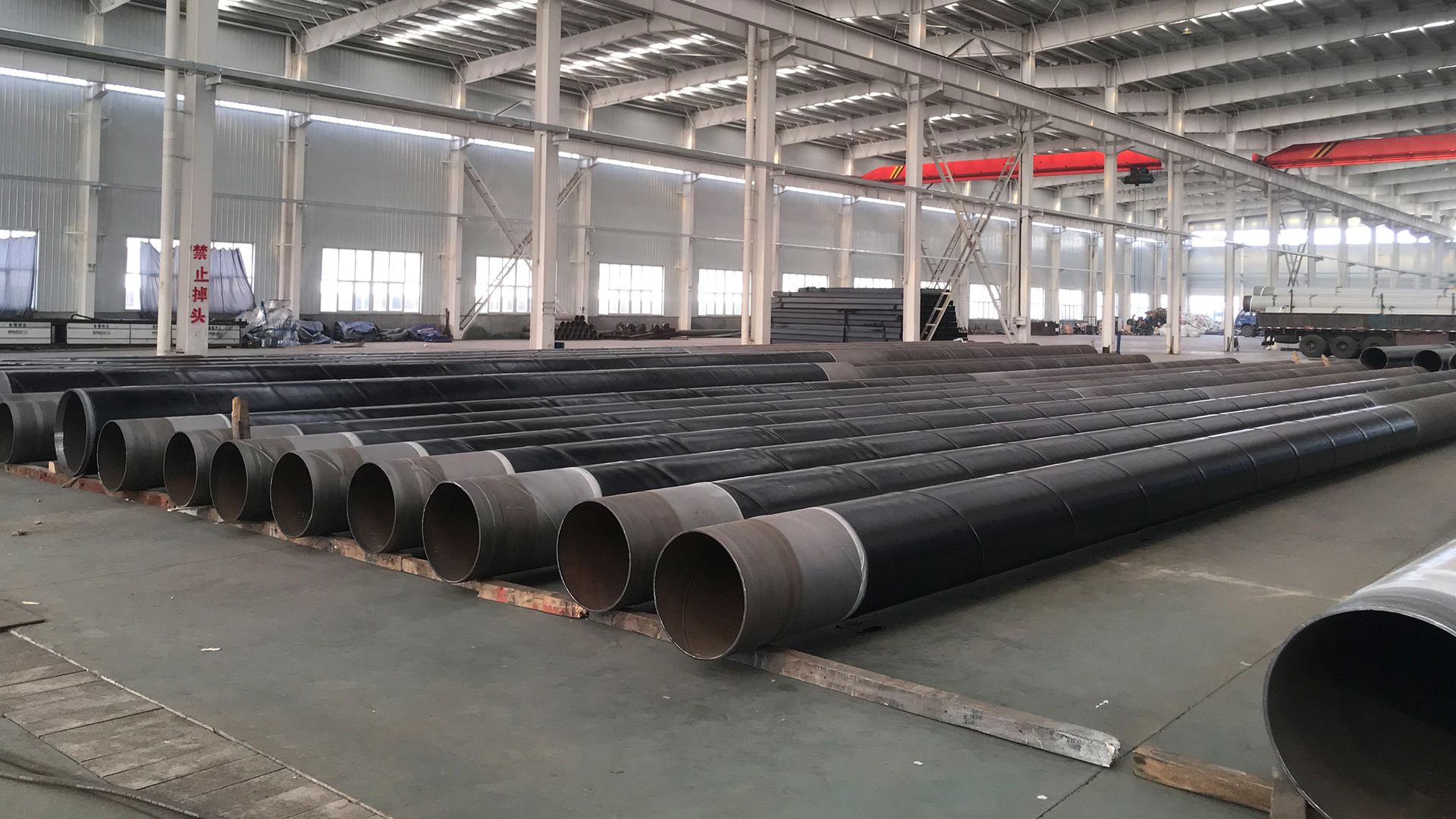
SSAW steel pipes are produced by spirally welding a steel strip, which results in a pipe that offers enhanced strength and performance. The manufacturing process involves feeding a steel plate through a series of rollers that bend it into a cylindrical shape. The edges of the plate are then welded together using a submerged arc welding technique, ensuring a robust and durable seam. This innovative process allows for the production of large-diameter pipes, often up to 4 meters in diameter, making them suitable for heavy-duty applications.
3. Advantages of SSAW Steel Pipe
SSAW steel pipes offer a range of benefits that make them an attractive option for various construction projects.
3.1 Durability and Strength
One of the standout features of SSAW steel pipes is their exceptional durability. The spiral welding technique creates a joint that is not only strong but also capable of withstanding high pressures and mechanical stress. This characteristic is particularly important in industries where pipes are subjected to harsh conditions, such as oil and gas extraction.
3.2 Cost-Effectiveness
Cost efficiency is paramount in construction projects. SSAW steel pipes are generally more affordable than their seamless counterparts. The manufacturing process is less labor-intensive and allows for the production of longer lengths without the need for joints, reducing both material and installation costs.
3.3 Corrosion Resistance
Corrosion can severely impact the longevity of pipes. SSAW steel pipes are often coated with anti-corrosive materials, enhancing their resistance to environmental factors such as moisture and chemicals. This protection ensures a longer lifespan and reduced maintenance costs.
3.4 Versatility in Applications
The versatility of SSAW steel pipes allows them to be used in a wide array of applications. From transportation of fluids and gases to structural elements in buildings, their adaptability makes them a go-to choice for engineers and architects.
4. SSAW Steel Pipe vs. Other Pipe Types
When considering SSAW steel pipes, it is essential to compare them with other pipe options available in the market.
4.1 SSAW vs. Seamless Pipes
Seamless pipes are renowned for their strength, but they come with a higher price tag and are limited in size. In contrast, SSAW pipes offer a more cost-effective solution without compromising on strength, especially for larger diameters. For projects requiring extensive pipe lengths, SSAW steel pipes are often the superior option.
4.2 SSAW vs. ERW Pipes
ERW (Electric Resistance Welded) pipes are another popular option in the construction industry. While ERW pipes are suitable for smaller diameters and lower pressure applications, SSAW pipes excel in high-pressure environments and larger diameters, making them more versatile for various applications.
5. Applications of SSAW Steel Pipe in Construction
The application of SSAW steel pipes spans various industries, showcasing their adaptability and strength.
5.1 Oil and Gas Industry
The oil and gas sector heavily relies on SSAW steel pipes for transporting crude oil, natural gas, and related products. Their ability to withstand high pressures and harsh environments makes them an ideal choice for pipelines.
5.2 Water Supply Systems
SSAW steel pipes are widely utilized in municipal water supply systems. Their durability and corrosion resistance ensure the safe and efficient transport of potable water.
5.3 Building Structures
In construction, SSAW pipes are often used as structural elements. Their high strength-to-weight ratio makes them suitable for supporting frameworks in commercial and residential buildings.
6. Installation and Maintenance of SSAW Steel Pipes
Proper installation and maintenance of SSAW steel pipes are crucial for maximizing their lifespan and performance. The installation process involves careful alignment and welding of the pipes, often requiring skilled labor. Routine inspections and maintenance are essential to identify any potential corrosion or wear, ensuring the pipes remain in optimal condition.
7. Sustainability and Eco-Friendliness of SSAW Steel Pipes
In today's construction landscape, sustainability is a significant consideration. SSAW steel pipes can be recycled, making them an environmentally friendly option. The steel used in their production is often sourced from recycled materials, reducing the overall environmental impact. Additionally, their long lifespan minimizes waste, contributing to a more sustainable construction practice.
8. Conclusion
In summary, **SSAW steel pipes** offer a multitude of benefits, making them a preferred choice in the construction industry. Their **durability, cost-effectiveness, versatility, and resistance to corrosion** position them as a superior option compared to other pipe types. As the demand for sustainable building materials increases, the advantages of SSAW steel pipes make them a smart investment for various applications. Understanding these benefits helps ensure that architects, engineers, and contractors make informed decisions that enhance both the efficiency and sustainability of their projects.
9. FAQs
1. What is the primary advantage of SSAW steel pipes?
The primary advantage of SSAW steel pipes is their exceptional durability and strength, making them ideal for high-pressure applications.
2. How do SSAW steel pipes compare to seamless pipes?
SSAW steel pipes are more cost-effective than seamless pipes, particularly for larger diameters, while still providing robust performance.
3. What industries utilize SSAW steel pipes?
SSAW steel pipes are widely used in the oil and gas industry, water supply systems, and as structural components in buildings.
4. Are SSAW steel pipes environmentally friendly?
Yes, SSAW steel pipes can be recycled, and their long lifespan contributes to reduced waste, making them a sustainable choice for construction.
5. What maintenance do SSAW steel pipes require?
Regular inspections for corrosion and wear, along with proper installation practices, are essential for the maintenance of SSAW steel pipes.
Ssaw Steel Pipe

undefined