

XINYUE
PROJECTS
09
2026
-
06
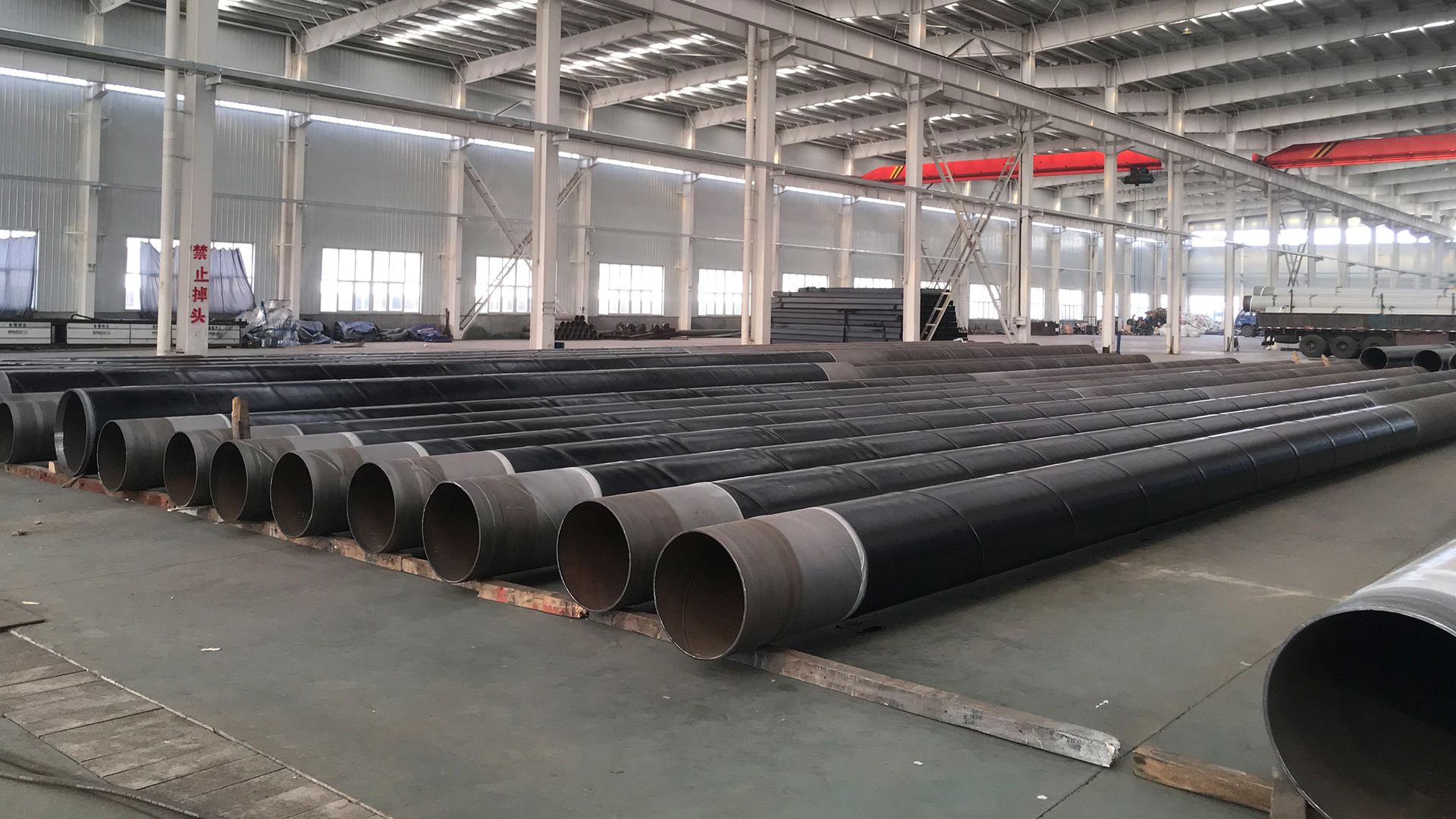
Why Choose ERW Steel Pipe Over Other Types of Steel Pipes?
Why Choose ERW Steel Pipe Over Other Types of Steel Pipes? Understanding ERW Steel Pipe ERW, or **Electric Resistance Welded**, steel pipe is a popular choice in the construction and industrial sectors. This type of pipe is created by rolling steel sheets and welding them along the seam using electrical resistance. Unlike other types of steel pipes, ERW pipes boast unique characteristics that make
Why Choose ERW Steel Pipe Over Other Types of Steel Pipes?
Understanding ERW Steel Pipe
ERW, or **Electric Resistance Welded**, steel pipe is a popular choice in the construction and industrial sectors. This type of pipe is created by rolling steel sheets and welding them along the seam using electrical resistance. Unlike other types of steel pipes, ERW pipes boast unique characteristics that make them well-suited for various applications.
The Manufacturing Process of ERW Steel Pipe
ERW steel pipes are manufactured through a precise process. First, steel coils are flattened and shaped into a cylindrical form. Then, high-frequency electrical currents are applied to the edges of the steel sheets, heating them to a temperature where they can fuse together without the addition of filler material. The resulting weld is strong and reliable, contributing to the overall integrity of the pipe.
Key Benefits of ERW Steel Pipe
When comparing ERW steel pipes to other types, such as seamless or welded pipes, several benefits stand out:
1. Cost-Effectiveness
One of the most significant advantages of ERW steel pipes is their affordability. The streamlined manufacturing process allows for lower production costs, which translates to savings for businesses and contractors.
2. Strength and Durability
ERW steel pipes are known for their strength. The welding process creates a robust bond that enhances the pipe's overall durability. This makes ERW pipes suitable for high-stress applications such as water and gas transportation.
3. Versatility in Applications
ERW steel pipes can be used in a variety of applications, including structural, mechanical, and fluid transportation. Their adaptability makes them a popular choice across different industries.
4. Smooth Internal Surface
The manufacturing method of ERW pipes results in a smooth internal surface, which reduces friction and enhances flow efficiency. This feature is particularly beneficial in pipelines for transporting liquids and gases.
5. Availability in Various Sizes and Thicknesses
ERW steel pipes are available in a wide range of sizes and wall thicknesses, allowing for customization based on project requirements. This flexibility provides engineers and builders with more options to meet specific needs.
Comparing ERW Steel Pipe to Other Steel Pipe Types
To understand why ERW steel pipe is often preferred, it is essential to compare it with other types of steel pipes, including seamless and spiral welded pipes.
Seamless Steel Pipe
Seamless steel pipes are manufactured without a seam or weld, providing a continuous tube. While they offer excellent strength and resistance to pressure, their production process is more complex and costly than that of ERW pipes. This often makes seamless pipes a less economical choice for many projects.
Spiral Welded Pipe
Spiral welded pipes are produced by spirally wrapping a strip of steel and welding it along the length. While they can be advantageous for large-diameter applications, the manufacturing process can lead to inconsistencies in quality. ERW pipes, in contrast, offer a more uniform product due to their straight seam welding method.
Applications of ERW Steel Pipe in Various Industries
ERW steel pipes are widely used across different sectors due to their versatility and reliability. Here are some common applications:
1. Construction and Structural Applications
In the construction industry, ERW steel pipes are used for structural support, frames, and scaffolding. Their strength and durability make them ideal for supporting heavy loads.
2. Oil and Gas Industry
ERW steel pipes are extensively used in the oil and gas sector for transporting hydrocarbons. Their ability to withstand high pressure and corrosive environments makes them suitable for this application.
3. Water Supply and Irrigation Systems
Due to their smooth internal surface and resistance to corrosion, ERW steel pipes are commonly used in water supply systems and irrigation projects. They ensure reliable flow and minimal maintenance.
4. Automotive Industry
In the automotive sector, ERW steel pipes are used for exhaust systems and chassis components. Their lightweight nature and strength contribute to overall vehicle performance.
Quality Standards and Certifications for ERW Steel Pipe
When selecting ERW steel pipes, it is essential to consider quality standards and certifications. The most commonly recognized standards include:
1. ASTM Standards
ASTM International defines specifications for ERW pipes, including dimensions, tolerance, and mechanical properties. Compliance with ASTM standards ensures a high-quality product.
2. ISO Certification
ISO certification indicates that a manufacturing process meets international quality management standards. Choosing ISO-certified manufacturers guarantees consistency in product quality.
Maintenance and Longevity of ERW Steel Pipe
While ERW steel pipes are designed for durability, proper maintenance is essential for maximizing their lifespan.
1. Regular Inspection
Conducting routine inspections helps identify any signs of corrosion or wear. Early detection can prevent costly repairs or replacements down the line.
2. Protective Coatings
Applying protective coatings can enhance the corrosion resistance of ERW pipes, especially in harsh environments. Consider using galvanization or painting to prolong their life.
Frequently Asked Questions (FAQs)
1. What is the difference between ERW and seamless steel pipes?
ERW pipes are welded along a seam, while seamless pipes are formed without welding, providing a continuous tube. Seamless pipes often have higher strength but are more expensive.
2. Can ERW steel pipes be used for high-pressure applications?
Yes, ERW steel pipes are suitable for high-pressure applications, especially when manufactured to meet specific industry standards.
3. How are ERW steel pipes tested for quality?
ERW pipes undergo various tests, including hydrostatic testing, ultrasonic testing, and visual inspections to ensure they meet quality standards.
4. What sizes are available for ERW steel pipes?
ERW steel pipes come in various sizes and wall thicknesses, making them adaptable for different applications.
5. Are ERW steel pipes environmentally friendly?
Yes, ERW steel pipes can be recycled, making them a more sustainable choice compared to other materials.
Conclusion
Choosing ERW steel pipes over other types offers numerous benefits, including cost-effectiveness, strength, versatility, and availability in various sizes. Their applications span multiple industries, from construction to oil and gas, making them a reliable choice for engineers and contractors alike. By understanding the unique advantages of ERW pipes and their manufacturing process, you can make informed decisions that align with your project requirements and sustainability goals.
ERW Steel Pipe

undefined