

XINYUE
PROJECTS
08
2026
-
07
How Coal Tar Epoxy Enhances Steel Pipe Longevity: The Ultimate Guide for Construction Professionals
How Coal Tar Epoxy Enhances Steel Pipe Longevity Table of Contents 1. Introduction to Steel Pipes and Their Challenges 2. What is Coal Tar Epoxy? 3. Benefits of Using Coal Tar Epoxy for Steel Pipes 4. Application Process of Coal Tar Epoxy 5. Environmental Impact and Safety Considerations 6. Case Studies: Success Stories of Coal Tar Epoxy Usage 7. Frequently Asked Que
How Coal Tar Epoxy Enhances Steel Pipe Longevity
Table of Contents
- 1. Introduction to Steel Pipes and Their Challenges
- 2. What is Coal Tar Epoxy?
- 3. Benefits of Using Coal Tar Epoxy for Steel Pipes
- 4. Application Process of Coal Tar Epoxy
- 5. Environmental Impact and Safety Considerations
- 6. Case Studies: Success Stories of Coal Tar Epoxy Usage
- 7. Frequently Asked Questions (FAQs)
- 8. Conclusion
1. Introduction to Steel Pipes and Their Challenges
In the realm of construction and infrastructure, steel pipes play a critical role in various applications, from water transport to industrial processes. However, **these structures face significant challenges**, primarily due to corrosion and environmental factors. **Corrosion** can lead to structural failure, costly repairs, and safety hazards. Therefore, extending the longevity of steel pipes is paramount for both economic and operational efficiency. This guide explores how **coal tar epoxy** emerges as a transformative solution for enhancing the durability of steel pipes.
2. What is Coal Tar Epoxy?
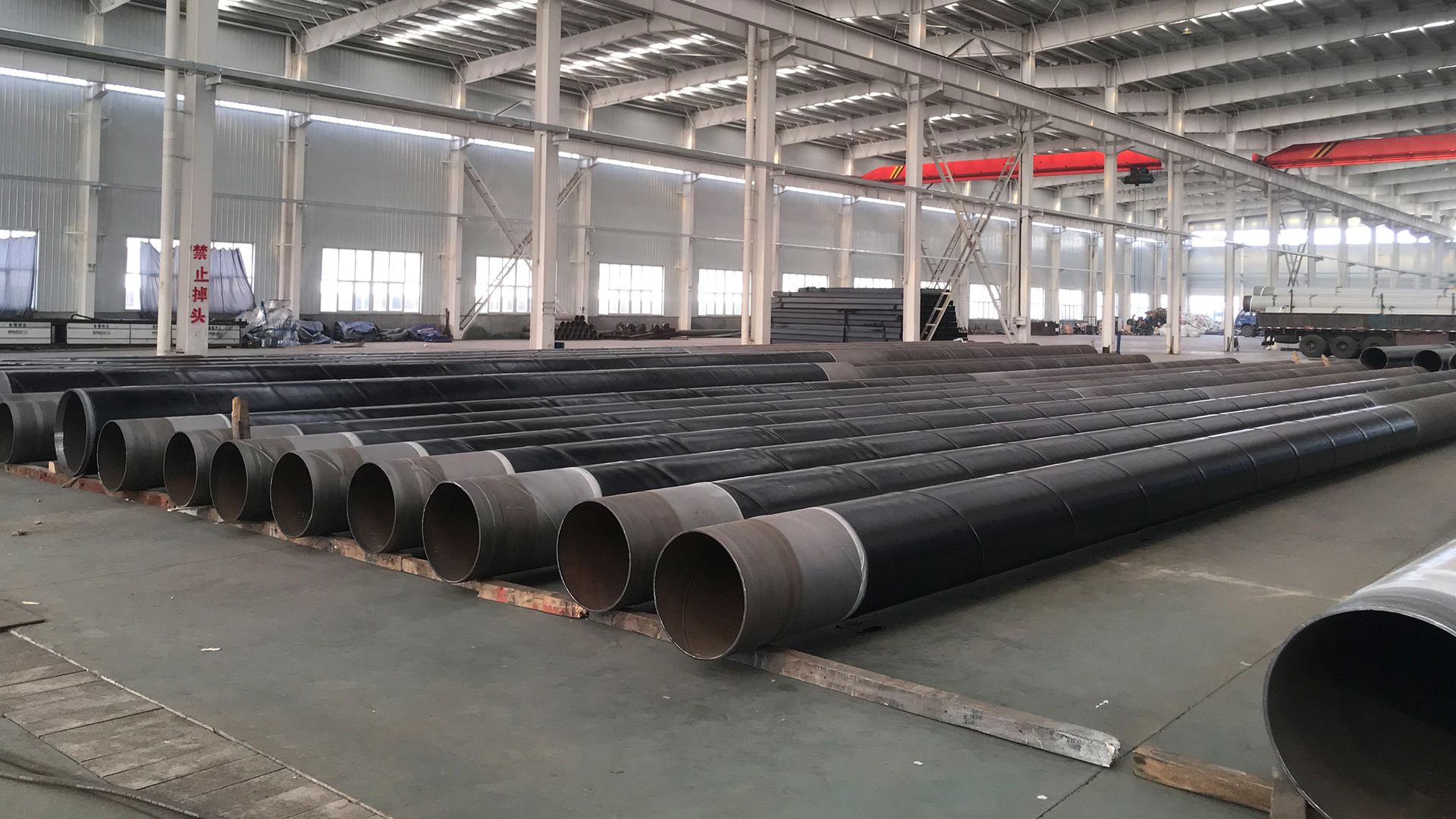
Coal tar epoxy is a type of protective coating made from coal tar and epoxy resin. This material is renowned for its **high resistance to corrosion, chemicals, and extreme weather conditions**. It creates a robust barrier that protects steel surfaces, making it an ideal choice for industrial applications, particularly in environments prone to moisture and chemical exposure. The unique properties of coal tar epoxy ensure that it adheres well and provides a long-lasting protective finish.
2.1 Composition of Coal Tar Epoxy
The primary components of coal tar epoxy include:
- **Coal Tar:** A byproduct of coal carbonization, providing excellent water resistance.
- **Epoxy Resin:** A thermosetting polymer that offers superior adhesion and chemical resistance.
- **Hardener:** This component initiates the curing process, ensuring the epoxy achieves its final strength and durability.
3. Benefits of Using Coal Tar Epoxy for Steel Pipes
Coal tar epoxy offers numerous advantages that make it an ideal choice for steel pipe protection:
3.1 Exceptional Corrosion Resistance
Corrosion remains one of the leading causes of steel pipe degradation. Coal tar epoxy forms a flexible and protective layer that guards against moisture and corrosive elements, significantly extending the life of the pipe.
3.2 Chemical Resistance
In industrial settings, steel pipes often encounter aggressive chemicals. Coal tar epoxy exhibits remarkable resistance to a variety of chemicals, including acids, alkalis, and solvents, ensuring that the structural integrity of the pipes remains intact.
3.3 UV and Weather Resistance
Outdoor installations of steel pipes are susceptible to UV rays, rain, and temperature fluctuations. The UV-resistant properties of coal tar epoxy prevent degradation from sunlight, while its weather resistance safeguards against moisture infiltration.
3.4 Cost-Effectiveness
Investing in coal tar epoxy not only protects steel pipes but also reduces maintenance costs over time. The long-lasting nature of the epoxy minimizes the need for frequent repairs and replacements, making it a cost-effective solution for infrastructure projects.
3.5 Easy Application and Versatility
Coal tar epoxy can be applied using various methods, including brushing, rolling, or spraying, making it versatile for different applications and project scales. Its adaptability allows for seamless integration into existing systems.
4. Application Process of Coal Tar Epoxy
Proper application of coal tar epoxy is vital to achieving optimal results. Here’s a step-by-step guide:
4.1 Surface Preparation
Before applying coal tar epoxy, it’s crucial to prepare the surface. This involves:
- **Cleaning:** Remove dirt, oil, and any contaminants.
- **Abrasive Blasting:** Use sandblasting or similar methods to create a rough surface for better adhesion.
- **Drying:** Ensure the surface is dry to prevent moisture entrapment.
4.2 Mixing the Epoxy
Follow the manufacturer’s instructions for mixing the coal tar and epoxy resin. Ensure a thorough mix to achieve a consistent texture and performance.
4.3 Application of the Epoxy
Using a brush, roller, or spray gun, apply the coal tar epoxy evenly across the surface. Multiple coats may be necessary for optimal protection, depending on the manufacturer’s recommendations.
4.4 Curing Time
Allow sufficient curing time as specified by the manufacturer. This can range from several hours to days, depending on environmental conditions and the product used.
5. Environmental Impact and Safety Considerations
While coal tar epoxy offers numerous advantages, it’s essential to consider its environmental impact and safety precautions during application:
5.1 VOC Emissions
Coal tar epoxy can emit volatile organic compounds (VOCs) during application. Employing proper ventilation and personal protective equipment (PPE) is crucial to minimize health risks.
5.2 Disposal and Environmental Regulations
Dispose of any leftover materials according to local regulations. Awareness of environmental standards ensures compliance and reduces ecological impact.
6. Case Studies: Success Stories of Coal Tar Epoxy Usage
Real-world applications highlight the effectiveness of coal tar epoxy in enhancing the longevity of steel pipes:
6.1 Case Study 1: Municipal Water Supply System
In a municipal water supply project, steel pipes treated with coal tar epoxy exhibited a 30% increase in service life compared to untreated pipes. The protective coating significantly reduced corrosion from chlorine and other chemicals in the water.
6.2 Case Study 2: Oil and Gas Industry
A leading oil and gas company adopted coal tar epoxy for its pipeline infrastructure. The coating provided reliable protection against harsh chemicals and extreme weather, resulting in a notable decrease in maintenance costs and downtime.
7. Frequently Asked Questions (FAQs)
7.1 What is the lifespan of coal tar epoxy on steel pipes?
The lifespan of coal tar epoxy can exceed 15 to 20 years when applied correctly and maintained properly.
7.2 Can coal tar epoxy be used on other materials?
While primarily used for steel, coal tar epoxy can also be applied to various substrates, including concrete and some plastics, depending on the specific product formulation.
7.3 Is coal tar epoxy safe for drinking water pipes?
Not all coal tar epoxies are suitable for drinking water applications. Be sure to select a product specifically formulated for potable water systems.
7.4 How long does it take for coal tar epoxy to cure?
Curing times can vary; typically, it ranges from 24 hours to several days, depending on environmental conditions and product specifications.
7.5 What is the best way to clean surfaces before applying coal tar epoxy?
Use a combination of high-pressure washing and abrasive cleaning methods to ensure all contaminants are removed, providing a suitable surface for adhesion.
8. Conclusion
Coal tar epoxy is an invaluable resource for enhancing the longevity of steel pipes in various industries. Its exceptional resistance to corrosion, chemicals, and environmental factors positions it as a premier choice for construction professionals. By understanding the application process, environmental considerations, and real-world success stories, industries can make informed decisions that lead to greater efficiency and durability in their infrastructure projects. Investing in coal tar epoxy not only protects assets but also contributes to long-term cost savings and operational success.
Coal Tar Epoxy Steel Pipe
Previous page
Previous page

undefined