

XINYUE
PROJECTS
12
2026
-
07
How Steel Structural Prefabricated Systems Transform Construction Efficiency
How Steel Structural Prefabricated Systems Transform Construction Efficiency Table of Contents 1. Introduction to Steel Structural Prefabricated Systems 2. Benefits of Using Steel Prefabrication in Construction 2.1 Cost Efficiency of Prefabricated Steel Structures 2.2 Time Savings in Project Completion 2.3 Enhanced Quality Control 2
How Steel Structural Prefabricated Systems Transform Construction Efficiency
Table of Contents
- 1. Introduction to Steel Structural Prefabricated Systems
- 2. Benefits of Using Steel Prefabrication in Construction
- 2.1 Cost Efficiency of Prefabricated Steel Structures
- 2.2 Time Savings in Project Completion
- 2.3 Enhanced Quality Control
- 2.4 Sustainability and Environmental Impact
- 3. Key Components of Steel Structural Prefabrication
- 4. Applications of Steel Prefabricated Systems in Construction
- 5. Case Studies: Success Stories in Prefabrication
- 6. Challenges in Steel Structural Prefabrication
- 7. The Future of Steel Structural Prefabrication
- 8. Frequently Asked Questions
- 9. Conclusion
1. Introduction to Steel Structural Prefabricated Systems
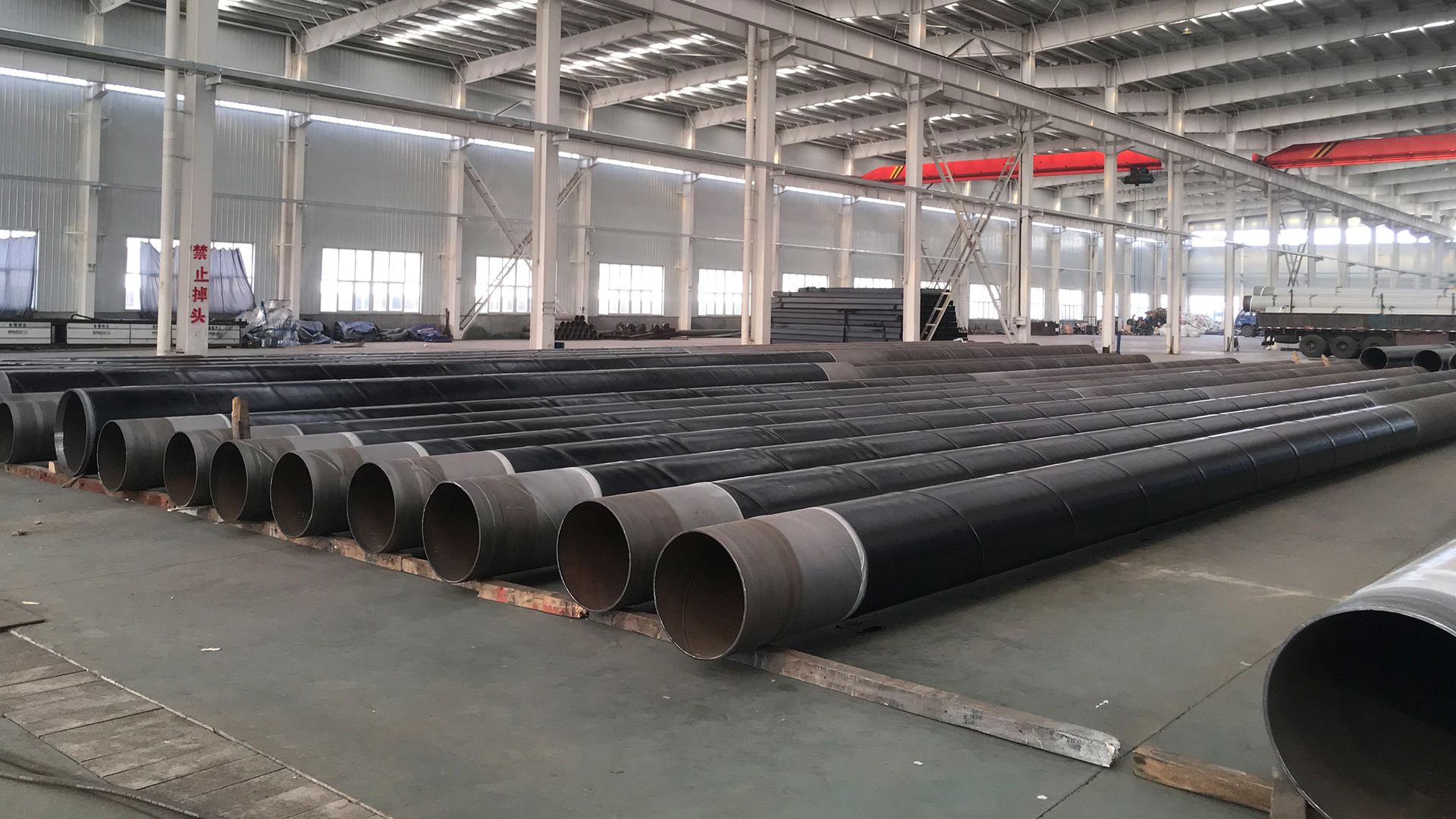
The construction industry is evolving rapidly, driven by the need for improved efficiency and sustainability. One of the most significant advancements in this field is the introduction of **steel structural prefabricated systems**. These innovative systems allow for the manufacturing of building components in a controlled environment before transporting them to the construction site. This approach not only accelerates project timelines but also enhances the quality and safety of the final structure.
As we delve further into this topic, we will explore how **prefabricated steel structures** can transform traditional construction methodologies, making them more agile, cost-effective, and environmentally friendly.
2. Benefits of Using Steel Prefabrication in Construction
Prefabricated steel systems offer a myriad of benefits that significantly elevate construction efficiency. Let's explore these advantages in detail.
2.1 Cost Efficiency of Prefabricated Steel Structures
One of the most compelling reasons to opt for **steel structural prefabrication** is the potential for cost savings. By manufacturing components off-site, construction companies can reduce labor costs and minimize material waste. The precision of prefabrication means that less rework is required, which directly translates to lower overall project costs. Moreover, the speed of assembly once on-site can further enhance financial savings, allowing for quicker project turnovers.
2.2 Time Savings in Project Completion
Time is a critical factor in construction projects. Traditional methods often lead to delays due to weather conditions, labor availability, or on-site errors. **Steel prefabrication** mitigates these concerns by allowing for the simultaneous construction of components in a factory while site preparation is underway. This parallel processing can drastically reduce the timeline for project completion, enabling contractors to meet deadlines more effectively.
2.3 Enhanced Quality Control
Quality assurance is paramount in construction. Prefabrication facilities employ rigorous quality control measures, ensuring that each component meets exact specifications before it even reaches the construction site. This controlled environment reduces the chances of defects and improves the overall integrity of the structure, leading to safer and more durable buildings.
2.4 Sustainability and Environmental Impact
In an era where environmental concerns are at the forefront, **steel prefabricated systems** stand out as a sustainable choice. Prefabrication minimizes waste by optimizing material usage and allows for the recycling of leftover steel. Additionally, the energy-efficient production processes and reduced site waste contribute to a smaller carbon footprint for construction projects. This alignment with sustainability goals is increasingly important for modern construction firms.
3. Key Components of Steel Structural Prefabrication
To understand how steel prefabricated systems work, it’s essential to examine their key components.
3.1 Modular Components
Modular components are the backbone of **steel prefabrication**. These pre-assembled units can include walls, floors, and roofs, which are manufactured based on precise specifications. This modularity allows for flexibility in design and usage, accommodating various architectural styles and client needs.
3.2 Connection Systems
A critical aspect of steel prefabricated systems is the connection systems used to assemble various components. These connections must be designed for quick, efficient assembly while ensuring structural integrity. Innovations in connection technology, such as bolted and welded systems, enhance the assembly process, making it faster and more reliable.
4. Applications of Steel Prefabricated Systems in Construction
Steel structural prefabricated systems have diverse applications across various sectors. From commercial buildings to residential homes, these systems can be utilized effectively in numerous settings.
In commercial construction, **steel prefabrication** is commonly used for office buildings, shopping centers, and warehouses. The speed and efficiency associated with prefabricated components allow businesses to establish operational facilities quicker.
Residential applications also benefit from **steel prefabrication**, particularly in multi-family units and modular homes. Developers are increasingly adopting these systems to meet the growing demand for affordable housing solutions.
5. Case Studies: Success Stories in Prefabrication
Several companies have successfully implemented **steel prefabricated systems**, demonstrating their benefits in real-world contexts. For instance, the construction of **The Edge**, a highly sustainable office building in Amsterdam, utilized prefabricated steel elements to enhance both construction speed and energy efficiency. The project was completed in a fraction of the time compared to traditional methods, showcasing the effectiveness of prefabrication.
Another notable example is the construction of the **Air Force Academy’s Cadet Chapel** in Colorado Springs. The use of prefabricated steel components allowed for rapid assembly and reduced on-site construction challenges, leading to a successful project delivery.
6. Challenges in Steel Structural Prefabrication
Despite the many advantages, the adoption of **steel structural prefabrication** is not without challenges. One of the primary concerns is the upfront investment required for setting up a prefabrication facility. This initial cost can be a barrier for smaller construction firms.
Additionally, logistical challenges related to transportation and site assembly can arise. Ensuring that prefabricated components arrive on-site without damage and are correctly integrated into the existing structure requires meticulous planning and coordination.
7. The Future of Steel Structural Prefabrication
Looking ahead, the future of **steel structural prefabricated systems** appears promising. Technological advancements, such as automation and robotics, are likely to enhance manufacturing processes, further increasing efficiency and reducing costs. Moreover, the growing emphasis on sustainability will drive innovations aimed at making prefabrication even more environmentally friendly.
As the construction sector continues to evolve, integrating **Building Information Modeling (BIM)** into prefabrication processes will also become more prevalent. This integration allows for better project visualization, precise planning, and improved collaboration among stakeholders, ultimately leading to enhanced project outcomes.
8. Frequently Asked Questions
1. What are the main advantages of steel prefabrication?
**Steel prefabrication** offers cost efficiency, time savings, enhanced quality control, and sustainability benefits that streamline the construction process.
2. How does prefabrication impact construction timelines?
By allowing for simultaneous construction and site preparation, **prefabrication** can significantly reduce the overall project timeline, leading to faster completion.
3. Are prefabricated steel structures durable?
Yes, prefabricated steel components undergo rigorous quality control, ensuring they meet high standards of durability and safety.
4. What types of buildings benefit the most from prefabrication?
Both commercial and residential buildings benefit from **steel prefabrication**, including office buildings, shopping centers, and multi-family housing.
5. What challenges are associated with steel prefabrication?
Challenges include upfront investment costs, logistical issues in transportation, and the need for careful site assembly planning.
9. Conclusion
In conclusion, **steel structural prefabricated systems** are revolutionizing the construction industry by enhancing efficiency, reducing costs, and promoting sustainability. The benefits of prefabrication are evident in various applications, from commercial projects to residential developments. By embracing these innovative systems, construction companies can achieve better project outcomes, meet the demands of modern clients, and contribute to a more sustainable future in the built environment. As we move forward, the continued evolution of technology and techniques in prefabrication will pave the way for even greater advancements in construction efficiency.
Steel Structural Prefabricated
Previous page

undefined