

XINYUE
PROJECTS
20
2026
-
07
Ssaw Steel Pipe vs. Other Steel Pipes: Which is the Best Choice for Your Construction Needs?
Ssaw Steel Pipe vs. Other Steel Pipes: Which is the Best Choice for Your Construction Needs? When selecting the right steel pipe for your construction project, understanding the differences between various types is crucial. Among the most common types of steel pipes are SSAW (Spiral Submerged Arc Welded) pipes, seamless pipes, and ERW (Electric Resistance Welded) pipes. Each has its distinct advan
Ssaw Steel Pipe vs. Other Steel Pipes: Which is the Best Choice for Your Construction Needs?
When selecting the right steel pipe for your construction project, understanding the differences between various types is crucial. Among the most common types of steel pipes are SSAW (Spiral Submerged Arc Welded) pipes, seamless pipes, and ERW (Electric Resistance Welded) pipes. Each has its distinct advantages and applications, making it essential to choose wisely based on your specific needs. In this article, we will delve into the characteristics, advantages, and best use cases of SSAW steel pipes compared to other steel pipes.
Table of Contents
- 1. Introduction to Steel Pipes
- 2. What is SSAW Steel Pipe?
- 3. Advantages of SSAW Steel Pipes
- 4. SSAW vs. Other Types of Steel Pipes
- 5. Applications of SSAW Steel Pipes
- 6. How to Choose the Right Steel Pipe for Your Needs
- 7. Frequently Asked Questions
- 8. Conclusion
1. Introduction to Steel Pipes
Steel pipes play a vital role in the construction and decoration industries. They are widely used for various applications, including plumbing, structural support, and industrial processes. Choosing the right type of steel pipe can significantly impact the durability, efficiency, and cost-effectiveness of a project.
2. What is SSAW Steel Pipe?
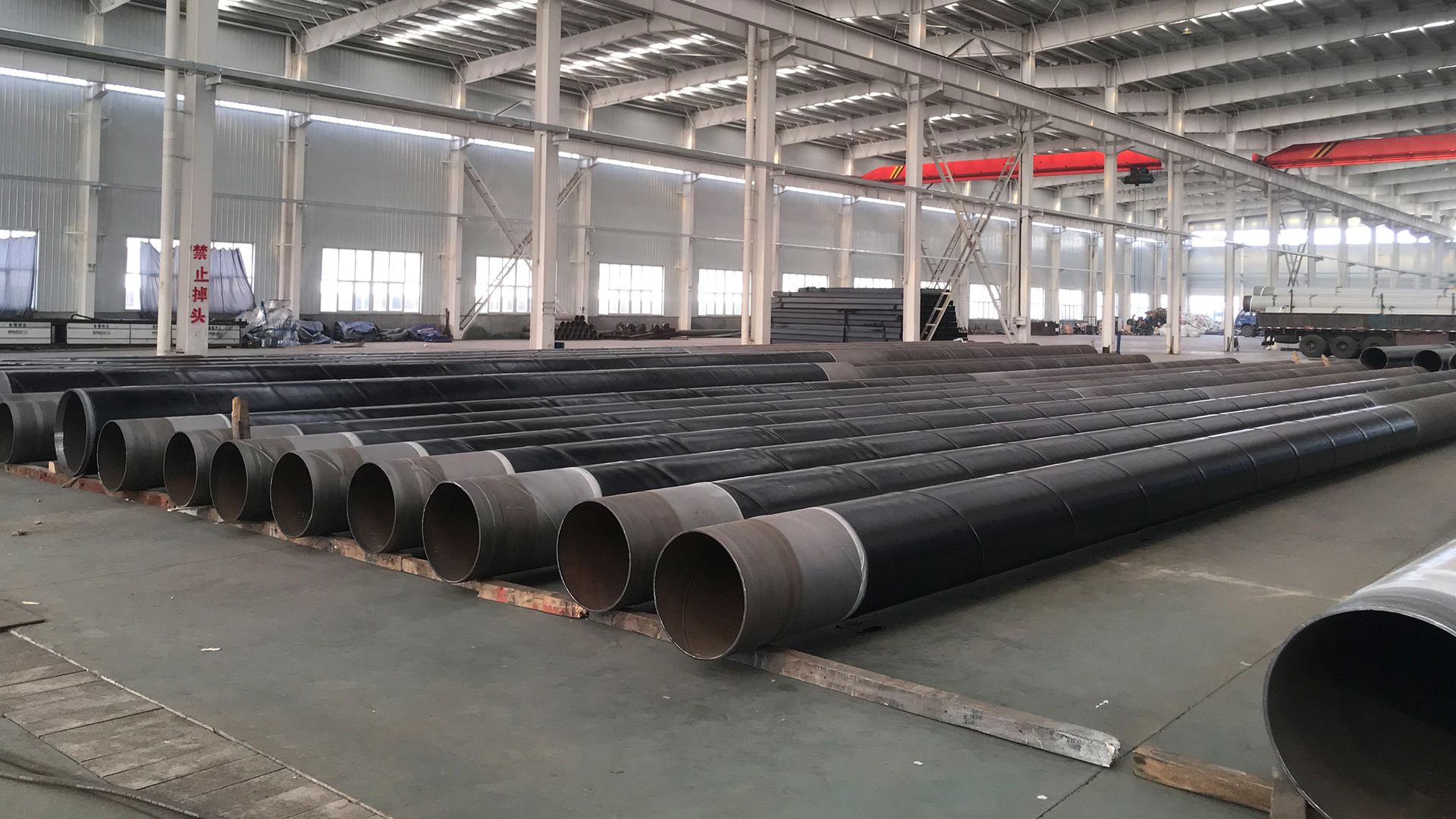
SSAW steel pipe, or Spiral Submerged Arc Welded pipe, is manufactured by spirally welding a flat steel strip into a cylindrical shape. This process involves the use of a submerged arc welding technique, which ensures strong and durable welds. SSAW pipes are known for their excellent mechanical properties and resistance to high pressure and extreme temperatures, making them suitable for a wide range of applications.
3. Advantages of SSAW Steel Pipes
When considering SSAW steel pipes, several advantages stand out:
- Cost-Effectiveness: SSAW pipes typically have a lower manufacturing cost compared to seamless pipes, making them a budget-friendly option for large projects.
- Flexibility in Size: The spiral welding process allows for the production of larger diameter pipes, which can be tailored to specific project requirements.
- Structural Integrity: The welding technique used in SSAW manufacturing results in a strong bond, providing excellent structural integrity and durability.
- Resistance to Corrosion: SSAW pipes can be coated or treated to enhance their resistance to corrosion, extending their lifespan in harsh environments.
- Wide Range of Applications: SSAW pipes are versatile and applicable in various industries, including oil and gas, water supply, and construction.
4. SSAW vs. Other Types of Steel Pipes
Understanding how SSAW pipes compare to other types of steel pipes is essential for making an informed choice. Below, we explore the key differences between SSAW pipes, seamless pipes, and ERW pipes.
4.1 Seamless Pipes
Seamless pipes are manufactured without any welded joints, which gives them a higher tolerance for pressure and makes them ideal for high-stress applications. Here are some key characteristics:
- Manufacturing Process: Seamless pipes are created by extruding a solid round steel billet, resulting in a pipe that is uniform in structure.
- Advantages: Increased strength and reliability under high pressure, making them suitable for critical applications like oil and gas pipelines.
- Disadvantages: Higher production costs and limitations in size compared to SSAW pipes.
4.2 ERW Pipes
Electric Resistance Welded (ERW) pipes are produced by rolling steel and welding the seams using electric resistance. Key features include:
- Manufacturing Process: ERW pipes are made through a straightforward process that allows for rapid production.
- Advantages: Cost-effective for smaller diameter pipes and suitable for a variety of applications.
- Disadvantages: Lower pressure tolerance compared to seamless pipes, and potential for weld defects if not properly managed.
5. Applications of SSAW Steel Pipes
SSAW steel pipes are widely used across various industries due to their durability and cost-effectiveness. Common applications include:
- Oil and Gas Industry: Used for transporting crude oil, natural gas, and other resources.
- Water Supply Systems: Ideal for water distribution due to their corrosion resistance and structural integrity.
- Construction: Used as structural components in buildings, bridges, and other infrastructures.
- Marine Applications: Suitable for underwater pipelines and other marine structures due to their strength and durability.
6. How to Choose the Right Steel Pipe for Your Needs
Selecting the right type of steel pipe requires careful consideration of several factors:
- Project Requirements: Evaluate the specific needs of your project, including diameter, length, and pressure requirements.
- Budget Constraints: Consider the cost of materials and manufacturing processes to find a suitable option.
- Application Environment: Assess the environmental conditions the pipes will be subjected to, including exposure to corrosive substances.
- Long-Term Durability: Choose pipes that will withstand stress and wear over time for optimal performance.
7. Frequently Asked Questions
1. What are the main differences between SSAW and seamless pipes?
The primary difference lies in the manufacturing process. Seamless pipes are made from solid steel billets, while SSAW pipes are made by spirally welding flat strips. This results in different pressure tolerances and costs.
2. Can SSAW pipes be used in high-pressure applications?
Yes, SSAW pipes can be used for high-pressure applications, but it is essential to assess the specific requirements and choose the appropriate wall thickness.
3. Are SSAW pipes more cost-effective than seamless pipes?
Typically, yes. SSAW pipes have a lower manufacturing cost due to the process used, making them a more budget-friendly option for larger projects.
4. How do I ensure the quality of SSAW pipes?
Ensure quality by sourcing from reputable manufacturers, checking for certifications, and reviewing test results for mechanical properties and weld integrity.
5. What industries commonly use SSAW steel pipes?
SSAW pipes are widely used in the oil and gas sector, water supply systems, construction, and marine applications, among others.
8. Conclusion
Choosing the right steel pipe is crucial for the success of your construction or industrial project. SSAW steel pipes offer a range of advantages, including cost-effectiveness, flexibility in size, and excellent structural integrity. While seamless and ERW pipes also have their unique benefits, understanding the specific needs of your project will guide you to the best choice. By considering factors such as budget, application, and long-term durability, you can make an informed decision that ensures the reliability and efficiency of your construction materials.
Ssaw Steel Pipe

undefined