

XINYUE
PROJECTS
22
2026
-
07
Understanding Petroleum Line Pipes: An Essential Component in the Construction Industry
Petroleum line pipes are crucial elements in various industries, particularly in construction and structural engineering. These pipes are specifically designed to transport crude oil, natural gas, and other petroleum products, often under challenging conditions. For professionals involved in construction and decorative materials, understanding the properties and applications of petroleum line pipe
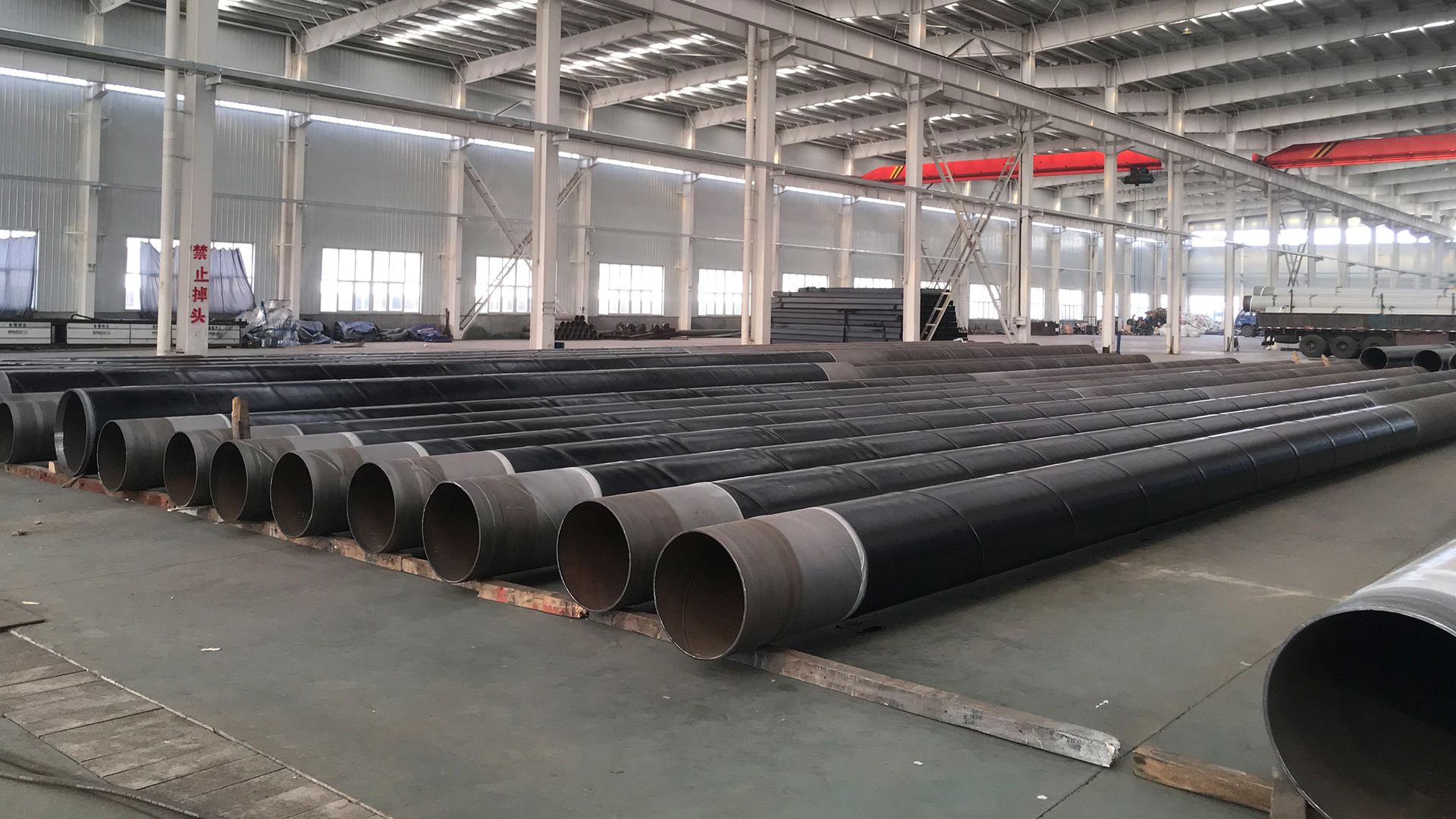
Petroleum line pipes are crucial elements in various industries, particularly in construction and structural engineering. These pipes are specifically designed to transport crude oil, natural gas, and other petroleum products, often under challenging conditions. For professionals involved in construction and decorative materials, understanding the properties and applications of petroleum line pipes can enhance project efficiency and safety.
One of the primary materials used in manufacturing petroleum line pipes is steel, which is favored for its strength, durability, and resistance to high pressures and temperatures. Steel line pipes can be produced in various grades, allowing them to meet the specific requirements of different projects. The choice of material is essential, as it impacts the structural integrity and longevity of the pipelines employed in construction.
In the context of building steel structures, petroleum line pipes serve not only a functional role but also contribute to the overall aesthetic of a project. When incorporated into architectural designs, these pipes can be used to create unique visual elements while maintaining their primary function of transporting materials safely and efficiently. This dual-purpose application can be particularly appealing in modern architectural projects, where functionality meets innovative design.
Additionally, the installation of petroleum line pipes requires adherence to strict industry standards and regulations to ensure safety and efficiency. Professionals in the construction and structural engineering fields must be well-versed in these guidelines to minimize risks associated with leaks, ruptures, or other failures that could compromise the integrity of a project. Understanding these standards also aids in proper maintenance practices, which are essential to prolonging the lifespan of the pipelines.
Moreover, the environmental considerations surrounding petroleum line pipes cannot be overlooked. As the construction industry increasingly prioritizes sustainability, the impact of using such materials on the environment is a critical aspect to consider. Innovations in pipe materials and coatings are being developed to reduce the ecological footprint while maintaining performance standards.
In summary, petroleum line pipes are an integral aspect of modern construction, particularly in the context of building steel structures. Their unique properties, applications, and evolving standards represent significant knowledge for professionals in the building and decorative materials industry. By staying informed about the latest advancements and regulatory requirements, construction experts can effectively utilize petroleum line pipes to enhance both the safety and aesthetic appeal of their projects.
One of the primary materials used in manufacturing petroleum line pipes is steel, which is favored for its strength, durability, and resistance to high pressures and temperatures. Steel line pipes can be produced in various grades, allowing them to meet the specific requirements of different projects. The choice of material is essential, as it impacts the structural integrity and longevity of the pipelines employed in construction.
In the context of building steel structures, petroleum line pipes serve not only a functional role but also contribute to the overall aesthetic of a project. When incorporated into architectural designs, these pipes can be used to create unique visual elements while maintaining their primary function of transporting materials safely and efficiently. This dual-purpose application can be particularly appealing in modern architectural projects, where functionality meets innovative design.
Additionally, the installation of petroleum line pipes requires adherence to strict industry standards and regulations to ensure safety and efficiency. Professionals in the construction and structural engineering fields must be well-versed in these guidelines to minimize risks associated with leaks, ruptures, or other failures that could compromise the integrity of a project. Understanding these standards also aids in proper maintenance practices, which are essential to prolonging the lifespan of the pipelines.
Moreover, the environmental considerations surrounding petroleum line pipes cannot be overlooked. As the construction industry increasingly prioritizes sustainability, the impact of using such materials on the environment is a critical aspect to consider. Innovations in pipe materials and coatings are being developed to reduce the ecological footprint while maintaining performance standards.
In summary, petroleum line pipes are an integral aspect of modern construction, particularly in the context of building steel structures. Their unique properties, applications, and evolving standards represent significant knowledge for professionals in the building and decorative materials industry. By staying informed about the latest advancements and regulatory requirements, construction experts can effectively utilize petroleum line pipes to enhance both the safety and aesthetic appeal of their projects.
Petroleum Line Pipe

undefined