

XINYUE
PROJECTS
28
2026
-
07
Top Reasons to Use Coal Tar Epoxy Coating on Steel Pipes for Maximum Durability
Top Reasons to Use Coal Tar Epoxy Coating on Steel Pipes Coal tar epoxy coatings have gained significant popularity in the construction and industrial sectors, especially for their application on steel pipes. This article aims to delve into the many advantages of using coal tar epoxy coatings, particularly focusing on why they are a top choice for protecting steel structures. Understanding Coal Ta
Top Reasons to Use Coal Tar Epoxy Coating on Steel Pipes
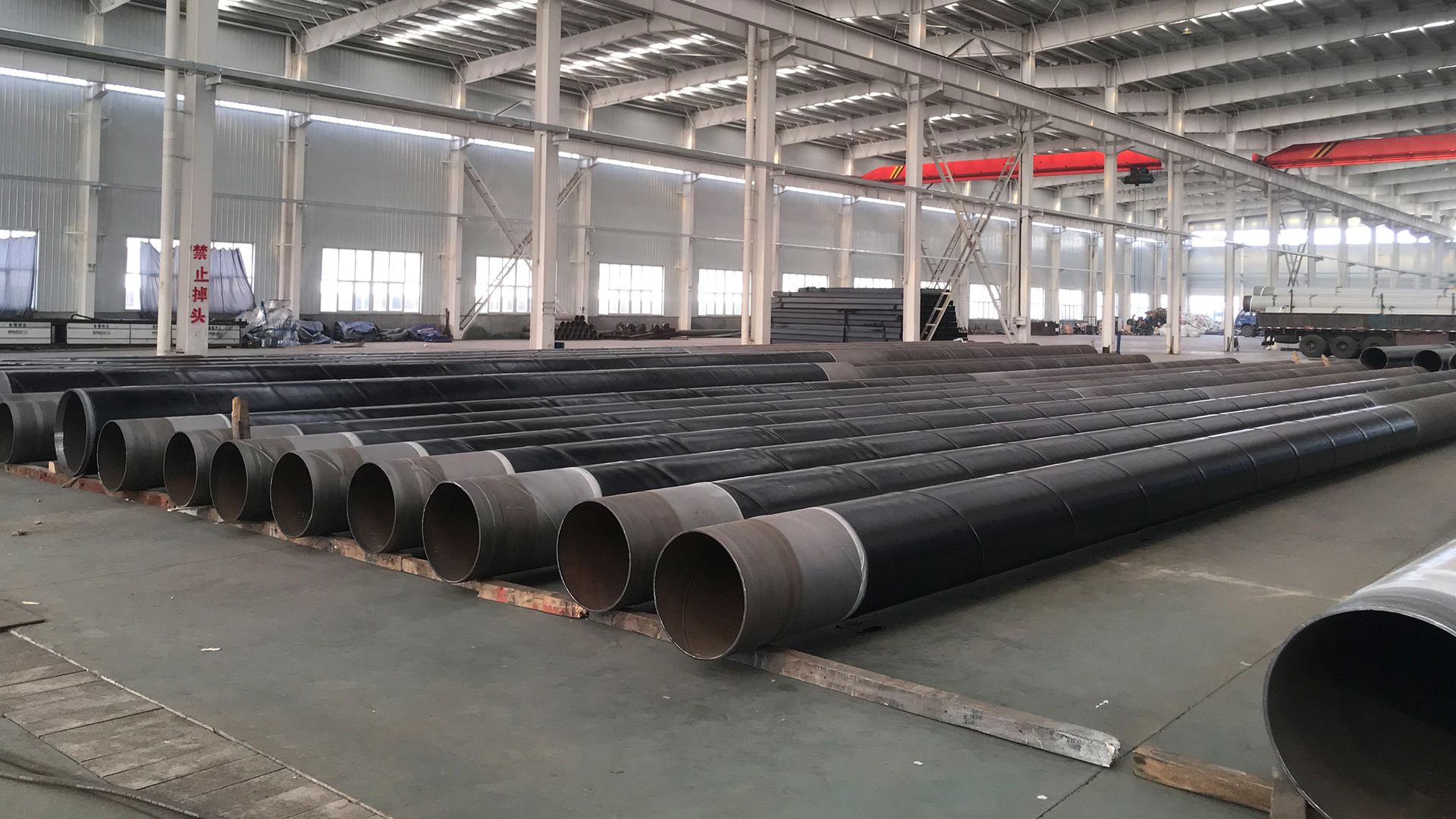
Coal tar epoxy coatings have gained significant popularity in the construction and industrial sectors, especially for their application on steel pipes. This article aims to delve into the many advantages of using coal tar epoxy coatings, particularly focusing on why they are a top choice for protecting steel structures.
Understanding Coal Tar Epoxy Coatings
Before exploring the benefits, it is essential to understand what coal tar epoxy coatings are. They are a type of protective coating made from a combination of coal tar and epoxy resin. This combination provides a robust barrier against various environmental factors that can cause deterioration.
Composition and Properties
Coal tar epoxy coatings are known for their unique composition, which combines:
- **Coal Tar**: A byproduct of the coal distillation process, offering excellent waterproofing and corrosion resistance.
- **Epoxy Resin**: Provides superior adhesion and durability, making the coating robust and long-lasting.
These properties make coal tar epoxy coatings ideal for environments where steel pipes are susceptible to corrosion.
Top Benefits of Coal Tar Epoxy Coatings
Understanding the benefits of using coal tar epoxy coatings can help businesses make informed decisions regarding their construction materials.
1. Exceptional Corrosion Resistance
One of the most significant advantages of coal tar epoxy coatings is their **exceptional resistance to corrosion**. Steel pipes are often exposed to harsh environments, leading to rust and structural damage. The coal tar epoxy creates a protective layer that prevents moisture and corrosive substances from penetrating the surface, thus prolonging the lifespan of the pipes.
2. Long-Lasting Durability
Coal tar epoxy coatings are known for their **long-lasting durability**. When properly applied, they can withstand harsh weather conditions, chemicals, and physical wear. This durability reduces the need for frequent repairs or replacements, leading to lower maintenance costs over time.
3. Cost-Effectiveness
Investing in coal tar epoxy coatings can be cost-effective in the long run. Although the initial application may have a higher upfront cost compared to other coatings, the **reduced maintenance and extended lifespan** of coated steel pipes can lead to significant savings over time.
4. Chemical Resistance
Many industrial environments expose steel pipes to various chemicals. Coal tar epoxy coatings offer excellent resistance to **acids, alkalis, and solvents**, making them suitable for applications in chemical plants, wastewater treatment facilities, and other environments where chemical exposure is a concern.
5. Easy Application Process
Applying coal tar epoxy coatings is a relatively straightforward process. The coatings can be applied using various methods, such as spraying, brushing, or rolling. This versatility allows for efficient application, reducing labor costs and downtime.
Steps to Apply Coal Tar Epoxy Coating
1. **Surface Preparation**: Clean the steel surface to remove rust, dust, and oils.
2. **Mixing**: Thoroughly mix the coal tar epoxy according to the manufacturer's instructions.
3. **Application**: Apply the coating evenly using the chosen method.
4. **Curing**: Allow the coating to cure as specified in the product guidelines.
6. Environmental Protection
Coal tar epoxy coatings not only protect steel pipes but also contribute to **environmental protection**. By preventing leaks and spills from corroded pipes, these coatings help safeguard local ecosystems.
Applications of Coal Tar Epoxy Coatings
The versatility of coal tar epoxy coatings makes them suitable for various applications in different industries.
1. Oil and Gas Industry
In the oil and gas sector, steel pipes are often used for transporting crude oil and natural gas. Coal tar epoxy coatings provide the necessary corrosion resistance required in these demanding environments, ensuring the integrity of pipelines.
2. Water Treatment Facilities
Water treatment plants utilize steel pipes for transporting treated water. Coal tar epoxy coatings protect these pipes from corrosion caused by exposure to water and chemicals used in the treatment process.
3. Chemical Plants
Chemical facilities often face harsh conditions that can lead to rapid deterioration of steel structures. The chemical resistance of coal tar epoxy coatings makes them ideal for protecting pipelines and storage tanks in such environments.
4. Marine Applications
Marine environments can be especially harsh on steel structures due to saltwater exposure. Coal tar epoxy coatings effectively protect steel pipes used in marine applications, ensuring they withstand the corrosive effects of saltwater.
Common Misconceptions about Coal Tar Epoxy Coatings
Despite their benefits, some misconceptions surround coal tar epoxy coatings.
1. Toxicity Concerns
Some individuals may be concerned about the potential toxicity of coal tar epoxy coatings. While it is essential to follow safety guidelines during application, once cured, the coatings are generally safe for use.
2. Limited Color Options
Another misconception is that coal tar epoxy coatings only come in limited colors. While they are predominantly black, manufacturers now offer a range of colors for aesthetic purposes.
Frequently Asked Questions (FAQs)
1. How long does coal tar epoxy coating last?
Coal tar epoxy coatings can last anywhere from 10 to 20 years, depending on environmental conditions and maintenance.
2. Can coal tar epoxy coatings be applied in cold weather?
Yes, coal tar epoxy coatings can be applied in cold weather, but it is essential to follow the manufacturer's guidelines regarding temperature and curing times.
3. What surfaces can be coated with coal tar epoxy?
Coal tar epoxy can be applied to various surfaces, including steel, concrete, and fiberglass.
4. How should I prepare the surface before application?
Surface preparation involves cleaning the surface to remove rust, dust, grease, and other contaminants.
5. Are there any safety precautions to take during application?
Yes, proper safety gear, including gloves and masks, should be worn during application to avoid health risks associated with inhalation or skin contact with the coating.
Conclusion
In summary, coal tar epoxy coatings offer a wealth of benefits for protecting steel pipes in various industries. With their exceptional corrosion resistance, long-lasting durability, and cost-effectiveness, they are an excellent choice for anyone looking to extend the lifespan of their steel structures. By understanding the unique properties and applications of coal tar epoxy, businesses can make informed decisions that will lead to more sustainable and cost-effective operations. Whether in the oil and gas industry, chemical plants, or marine environments, the advantages of coal tar epoxy coatings are clear, making them a preferred choice for steel pipe protection.
Coal Tar Epoxy Steel Pipe
Previous page
Previous page

undefined