

XINYUE
PROJECTS
30
2026
-
07
The Essential Guide to Marine Offshore Steel Pipe: Key Considerations for Construction Professionals
Marine offshore steel pipe plays a critical role in various applications, particularly in the construction of offshore structures and oil rigs. These pipes are designed to withstand harsh marine environments, making them essential for the transportation of fluids, gases, and other materials in offshore settings. When selecting marine offshore steel pipes for your projects, several key factors shou
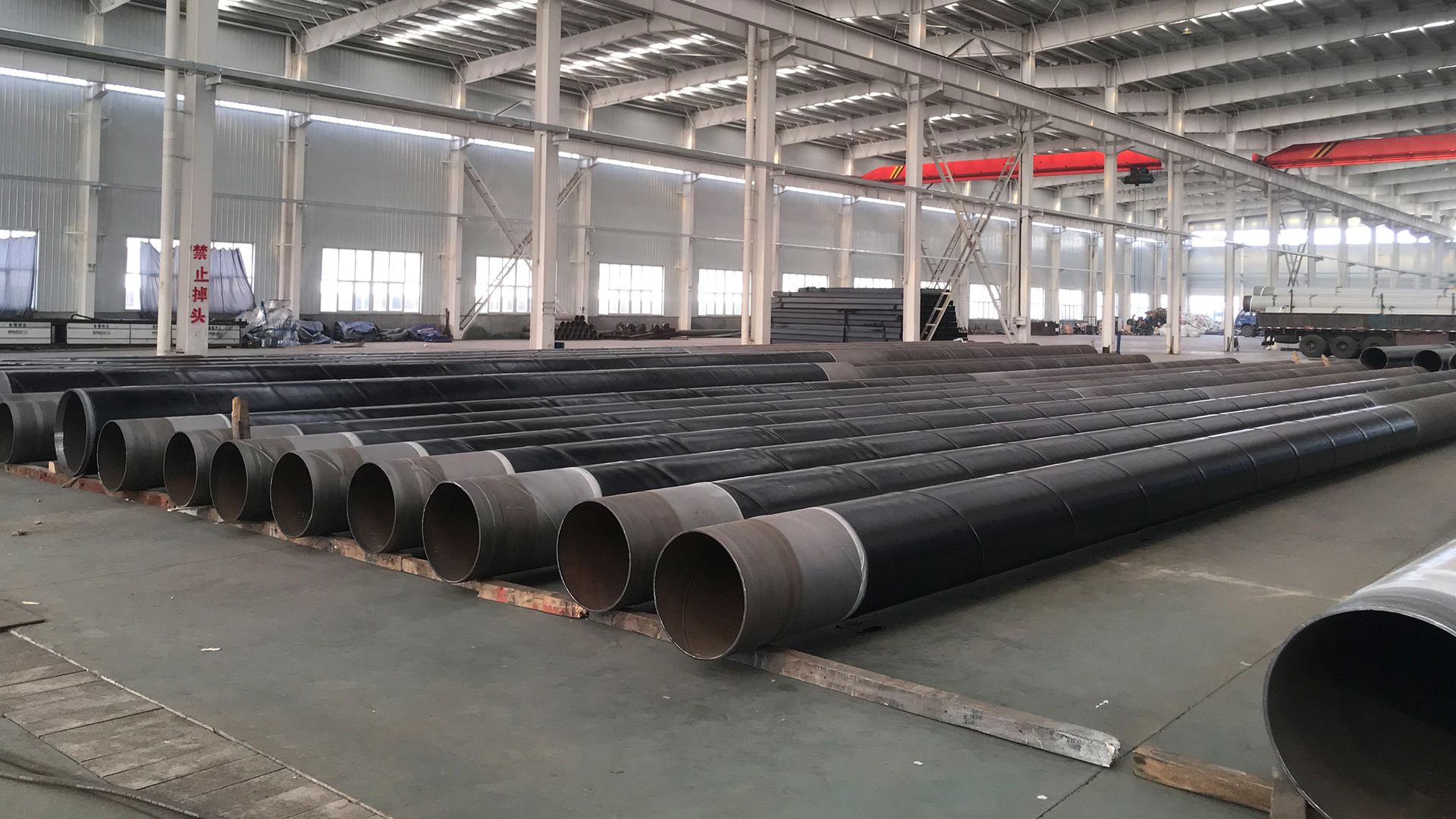
Marine offshore steel pipe plays a critical role in various applications, particularly in the construction of offshore structures and oil rigs. These pipes are designed to withstand harsh marine environments, making them essential for the transportation of fluids, gases, and other materials in offshore settings. When selecting marine offshore steel pipes for your projects, several key factors should be considered.
Firstly, the material composition of marine offshore steel pipes is paramount. Typically, these pipes are made from high-strength steel alloys that offer excellent corrosion resistance and durability. The use of specialized coatings can further enhance their resistance to seawater, ensuring longevity in challenging conditions. It's essential to choose pipes that meet the relevant industry standards, such as API (American Petroleum Institute) or ASTM (American Society for Testing and Materials) specifications, to ensure quality and reliability.
Secondly, the dimensions and specifications of marine offshore steel pipes must align with project requirements. These pipes come in various diameters, wall thicknesses, and lengths, allowing for customization based on the specific needs of your construction project. It’s vital to accurately assess the hydraulic and structural requirements to determine the appropriate pipe dimensions. This helps in minimizing risks associated with pressure drops, flow restrictions, or structural failures.
Another critical consideration is the installation and maintenance of marine offshore steel pipes. Proper installation techniques, such as welding and joining, are essential to ensure the integrity of the piping system. Additionally, implementing regular inspections and maintenance routines can help identify potential issues before they escalate, thereby ensuring safety and operational efficiency throughout the lifespan of the installation.
Furthermore, environmental impact assessments should be undertaken to evaluate the sustainability of using marine offshore steel pipes in your project. Understanding the ecological footprint of materials used in construction is becoming increasingly important. Selecting pipes that adhere to environmental regulations and using sustainable practices during the construction phase can enhance the overall sustainability of your project.
Finally, collaboration with experienced suppliers and contractors who specialize in marine offshore steel pipes is invaluable. Their expertise can provide insights into the latest innovations, best practices, and compliance with industry standards, ensuring your project is executed smoothly and efficiently.
In conclusion, marine offshore steel pipe is a vital component in the construction of offshore structures. By considering material composition, specifications, installation practices, environmental impact, and supplier expertise, construction professionals can make informed decisions that enhance the durability and effectiveness of their projects in challenging marine environments.
Firstly, the material composition of marine offshore steel pipes is paramount. Typically, these pipes are made from high-strength steel alloys that offer excellent corrosion resistance and durability. The use of specialized coatings can further enhance their resistance to seawater, ensuring longevity in challenging conditions. It's essential to choose pipes that meet the relevant industry standards, such as API (American Petroleum Institute) or ASTM (American Society for Testing and Materials) specifications, to ensure quality and reliability.
Secondly, the dimensions and specifications of marine offshore steel pipes must align with project requirements. These pipes come in various diameters, wall thicknesses, and lengths, allowing for customization based on the specific needs of your construction project. It’s vital to accurately assess the hydraulic and structural requirements to determine the appropriate pipe dimensions. This helps in minimizing risks associated with pressure drops, flow restrictions, or structural failures.
Another critical consideration is the installation and maintenance of marine offshore steel pipes. Proper installation techniques, such as welding and joining, are essential to ensure the integrity of the piping system. Additionally, implementing regular inspections and maintenance routines can help identify potential issues before they escalate, thereby ensuring safety and operational efficiency throughout the lifespan of the installation.
Furthermore, environmental impact assessments should be undertaken to evaluate the sustainability of using marine offshore steel pipes in your project. Understanding the ecological footprint of materials used in construction is becoming increasingly important. Selecting pipes that adhere to environmental regulations and using sustainable practices during the construction phase can enhance the overall sustainability of your project.
Finally, collaboration with experienced suppliers and contractors who specialize in marine offshore steel pipes is invaluable. Their expertise can provide insights into the latest innovations, best practices, and compliance with industry standards, ensuring your project is executed smoothly and efficiently.
In conclusion, marine offshore steel pipe is a vital component in the construction of offshore structures. By considering material composition, specifications, installation practices, environmental impact, and supplier expertise, construction professionals can make informed decisions that enhance the durability and effectiveness of their projects in challenging marine environments.
Marine Offshore Steel Pipe
Previous page
Previous page

undefined