

XINYUE
PROJECTS
09
2026
-
08
The Role of SSAW Steel Pipe in Modern Construction Techniques: Innovations and Applications
The Role of SSAW Steel Pipe in Modern Construction Techniques Table of Contents 1. Introduction to SSAW Steel Pipes 2. What is SSAW Steel Pipe? 3. Advantages of SSAW Steel Pipes in Construction 4. Applications of SSAW Steel Pipes in Modern Construction 5. SSAW Pipe vs. Other Types of Steel Pipes 6. Innovations in SSAW Pipe Manufacturing Techniques 7. Installation Techn
The Role of SSAW Steel Pipe in Modern Construction Techniques
Table of Contents
- 1. Introduction to SSAW Steel Pipes
- 2. What is SSAW Steel Pipe?
- 3. Advantages of SSAW Steel Pipes in Construction
- 4. Applications of SSAW Steel Pipes in Modern Construction
- 5. SSAW Pipe vs. Other Types of Steel Pipes
- 6. Innovations in SSAW Pipe Manufacturing Techniques
- 7. Installation Techniques for SSAW Steel Pipes
- 8. Sustainability and the Future of SSAW Steel Pipes
- 9. Frequently Asked Questions (FAQs)
- 10. Conclusion
1. Introduction to SSAW Steel Pipes
In the fast-evolving field of construction, the materials we use can significantly influence project outcomes. Among these materials, **Spiral Submerged Arc Welded (SSAW) steel pipes** have emerged as crucial components in modern infrastructure. Their versatility, strength, and adaptability make them ideal for various applications, from transporting fluids to serving as structural elements in buildings. This article delves into the numerous advantages, applications, and innovations associated with SSAW steel pipes, solidifying their role in contemporary construction techniques.
2. What is SSAW Steel Pipe?
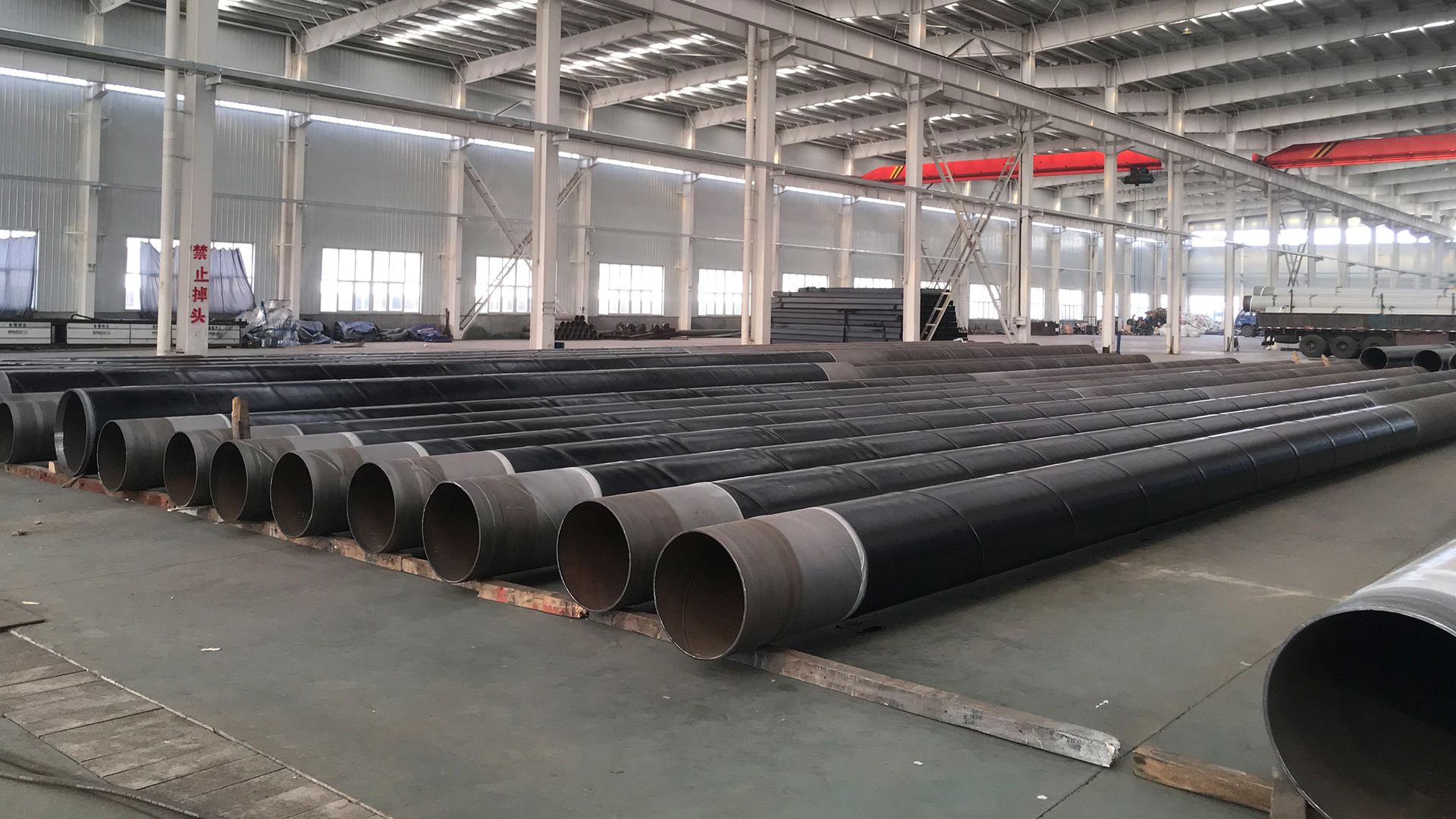
**SSAW steel pipes**, commonly used in the construction industry, are made using the submerged arc welding method, specifically designed to produce large-diameter pipes. The manufacturing process involves rolling steel plates into a cylindrical shape and welding the edges together in a spiral fashion. This technique not only enhances the pipe's strength but also allows for greater flexibility in production.
2.1 Manufacturing Process of SSAW Steel Pipes
The manufacturing of SSAW pipes consists of several critical steps:
1. **Plate Preparation**: Steel plates are cut to the necessary dimensions.
2. **Forming**: The plates are heated and rolled into a cylindrical shape.
3. **Welding**: Edges of the cylinder are welded together using the submerged arc welding technique, ensuring high-quality joint integrity.
4. **Testing**: Each pipe undergoes rigorous testing, including hydrostatic tests, to ensure durability and reliability.
5. **Finishing**: Finally, the pipes are coated for protection against corrosion and other environmental factors.
3. Advantages of SSAW Steel Pipes in Construction
SSAW steel pipes offer a myriad of advantages that make them a preferred choice in modern construction projects:
3.1 High Strength and Durability
One of the standout features of SSAW pipes is their **high tensile strength**. They are built to withstand harsh environmental conditions, making them suitable for various applications, including water supply, oil and gas transmission, and structural support.
3.2 Cost-Effectiveness
The manufacturing process of SSAW pipes is efficient, which translates into cost savings for construction projects. The ability to produce large-diameter pipes reduces the need for multiple smaller pipes, simplifying logistics and installation.
3.3 Versatility in Applications
Due to their robust design, SSAW pipes can be utilized in several applications, from **industrial** to **commercial** settings. They are particularly effective in scenarios requiring high pressure and heavy loads.
3.4 Excellent Corrosion Resistance
With advancements in protective coatings, SSAW pipes can be galvanized or coated with various materials to enhance their resistance to corrosion. This property is essential for ensuring the longevity of pipelines in challenging environments.
4. Applications of SSAW Steel Pipes in Modern Construction
The versatility of SSAW steel pipes allows them to be employed in numerous applications across various sectors:
4.1 Oil and Gas Transportation
SSAW pipes are extensively used to transport oil and gas across vast distances. Their ability to withstand high pressure ensures the safe conveyance of these critical resources.
4.2 Water Supply Systems
In urban infrastructure, SSAW pipes are integral to municipal water supply systems. Their strength and durability contribute to efficient and reliable water distribution.
4.3 Structural Applications
Beyond transportation, SSAW pipes are used as **structural elements** in buildings and bridges. They provide essential support and stability, especially in high-rise constructions.
4.4 Irrigation Systems
Agricultural sectors also benefit from SSAW pipes, which are used in irrigation systems to facilitate water distribution across large fields.
5. SSAW Pipe vs. Other Types of Steel Pipes
When comparing SSAW pipes with other types of steel pipes, such as **ERW (Electric Resistance Welded)** and **LSAW (Longitudinal Submerged Arc Welded)** pipes, several factors come into play:
5.1 Strength
While all types of pipes have their strengths, SSAW pipes often demonstrate superior **strength-to-weight ratios**, making them ideal for heavy-duty applications.
5.2 Production Cost
SSAW pipes tend to have lower production costs compared to LSAW pipes, primarily due to their simpler manufacturing process.
5.3 Diameter
SSAW pipes excel in producing large-diameter pipes, which can be a significant advantage in various construction projects.
6. Innovations in SSAW Pipe Manufacturing Techniques
The manufacturing landscape for SSAW pipes has undergone significant innovations in recent years:
6.1 Automation in Production
Advanced automation technologies have improved the efficiency and precision of SSAW pipe production. This results in higher quality pipes with consistent dimensions.
6.2 Enhanced Welding Techniques
The development of new welding technologies, including more efficient arc welding methods, has elevated the strength and durability of SSAW pipes.
6.3 Quality Control Measures
Modern quality control measures, including real-time monitoring during production, ensure that each SSAW pipe meets strict industry standards, reducing the likelihood of defects.
7. Installation Techniques for SSAW Steel Pipes
Proper installation of SSAW pipes is crucial for optimal performance:
7.1 Preparation of the Site
Before installation, the site must be adequately prepared, ensuring stable ground and access for heavy machinery.
7.2 Pipe Alignment and Jointing
Correct alignment of pipes is essential to prevent leaks. Various jointing techniques, including flanged joints and welded joints, may be utilized based on the project's requirements.
7.3 Backfilling and Monitoring
After installation, backfilling around the pipes provides additional support. Continuous monitoring ensures that the pipes remain in optimal condition throughout their lifespan.
8. Sustainability and the Future of SSAW Steel Pipes
As the construction industry increasingly emphasizes sustainability, SSAW steel pipes are evolving to meet these demands:
8.1 Recyclability
Steel is one of the most recyclable materials available, and SSAW pipes can be recycled at the end of their lifecycle, minimizing waste and environmental impact.
8.2 Energy Efficiency
Innovations in manufacturing and installation techniques have led to the development of more energy-efficient SSAW pipes, reducing the overall carbon footprint of construction projects.
8.3 Sustainable Sourcing of Materials
With a growing focus on sustainability, manufacturers are emphasizing the use of ethically sourced materials in the production of SSAW pipes.
9. Frequently Asked Questions (FAQs)
9.1 What distinguishes SSAW pipes from other welded pipes?
SSAW pipes are specifically manufactured using a spiral welding technique, making them suitable for larger diameters and higher strength applications compared to other welded pipes.
9.2 How are SSAW pipes tested for quality?
Quality testing typically includes hydrostatic testing, X-ray inspection, and ultrasonic testing to ensure the integrity of the welds and overall pipe strength.
9.3 Can SSAW pipes be used in corrosive environments?
Yes, when appropriately coated, SSAW pipes can effectively resist corrosion, making them suitable for use in corrosive environments.
9.4 What are the typical sizes available for SSAW pipes?
SSAW pipes are available in a wide range of sizes, often exceeding diameters of 16 inches, making them versatile for various applications.
9.5 Is the installation of SSAW pipes complex?
While installation requires careful planning and execution, experienced contractors can effectively manage the process, ensuring optimal performance and durability.
10. Conclusion
The significance of SSAW steel pipes in modern construction techniques cannot be overstated. Their unique manufacturing process, coupled with robust advantages in strength, cost-effectiveness, and versatility, positions them at the forefront of contemporary infrastructure projects. As innovations continue to shape the manufacturing landscape, SSAW pipes will remain a vital component in building the future, contributing to more sustainable and efficient construction practices. With their extensive applications and enduring quality, SSAW steel pipes will undoubtedly play a crucial role in supporting the infrastructure of tomorrow.
Ssaw Steel Pipe

undefined