

XINYUE
PROJECTS
06
2026
-
09
Understanding the Chemistry Behind Coal Tar Epoxy Steel Pipes: A Comprehensive Guide
Understanding the Chemistry Behind Coal Tar Epoxy Steel Pipes Coal tar epoxy steel pipes have emerged as a formidable solution for various construction and industrial applications due to their unique combination of durability, corrosion resistance, and chemical stability. This article provides an in-depth exploration of the chemistry behind these remarkable materials, shedding light on their compo
Understanding the Chemistry Behind Coal Tar Epoxy Steel Pipes
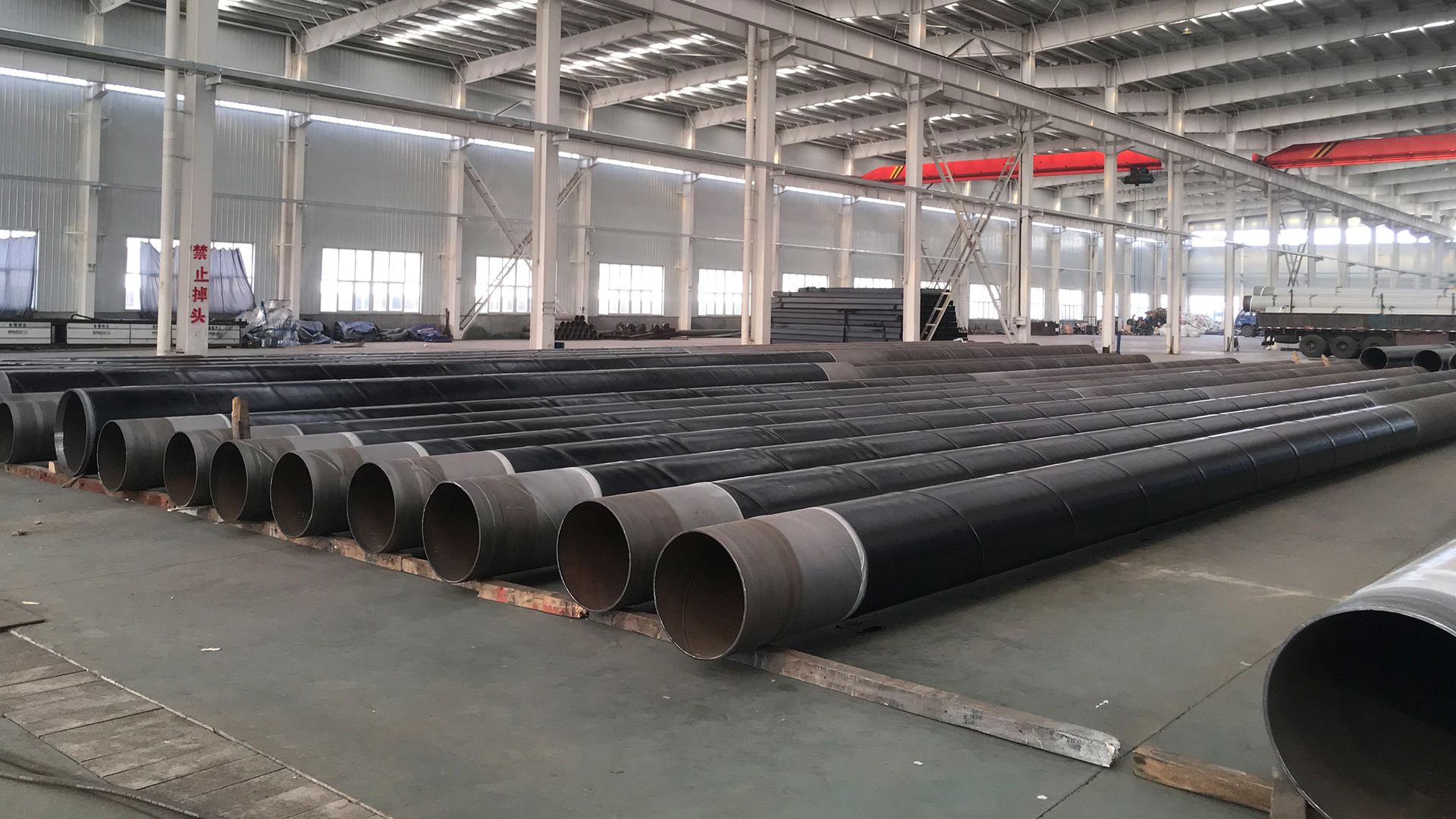
Coal tar epoxy steel pipes have emerged as a formidable solution for various construction and industrial applications due to their unique combination of durability, corrosion resistance, and chemical stability. This article provides an in-depth exploration of the chemistry behind these remarkable materials, shedding light on their composition, manufacturing process, advantages, applications, and much more. Whether you are an engineer, construction professional, or simply curious about the science of materials, this comprehensive guide is tailored to enhance your understanding.
Table of Contents
- What is Coal Tar Epoxy?
- Chemical Composition of Coal Tar Epoxy
- The Manufacturing Process of Coal Tar Epoxy Steel Pipes
- Advantages of Coal Tar Epoxy Steel Pipes
- Applications of Coal Tar Epoxy Steel Pipes
- Performance Standards and Regulations
- Environmental Considerations in the Use of Coal Tar Epoxy
- Frequently Asked Questions
- Conclusion
What is Coal Tar Epoxy?
Coal tar epoxy is a high-performance protective coating primarily used to enhance the durability and corrosion resistance of steel pipes. This versatile material is a blend of coal tar pitch and epoxy resins, resulting in a robust barrier that inhibits corrosion and degradation. Its exceptional chemical resistance makes it ideal for environments susceptible to harsh chemicals and extreme temperatures.
Chemical Composition of Coal Tar Epoxy
The chemistry of coal tar epoxy is fascinating and integral to its effectiveness. The primary components include:
- Coal Tar Pitch: This is a thick, black liquid derived from the carbonization of coal. It contains a complex mixture of aromatic hydrocarbons, phenolic compounds, and heterocyclic compounds. The presence of these compounds contributes to the high chemical resistance and adhesive properties of the epoxy.
- Epoxy Resins: Epoxy resins are synthetic thermosetting polymers that provide excellent mechanical properties and adhesion. They are known for their high tensile strength and ability to form a durable, cross-linked network upon curing.
- Hardener: The hardener is a crucial component that facilitates the curing process of the epoxy. Common hardeners include amines, anhydrides, and polyamides, which react with the epoxy resin to form a solid, inflexible material.
This unique combination of materials results in a product that is not only durable but also resistant to a wide range of chemicals, making it suitable for various applications.
The Manufacturing Process of Coal Tar Epoxy Steel Pipes
The production of coal tar epoxy steel pipes involves several key steps:
- Surface Preparation: The steel pipes are cleaned thoroughly to remove any rust, dirt, or contaminants. This step is crucial because it ensures proper adhesion of the coal tar epoxy coating.
- Application of the Coal Tar Epoxy: Once the pipes are cleaned, the coal tar epoxy mixture is applied using various methods, including spraying, brushing, or dipping. This ensures an even coating that adheres tightly to the surface.
- Curing Process: After application, the epoxy is allowed to cure for a specified period. During this time, the hardener reacts with the epoxy resin, forming a strong bond that enhances durability.
- Quality Control: Finally, rigorous quality control tests are conducted to ensure the integrity and performance of the coated pipes. This includes tests for adhesion, flexibility, and resistance to chemicals.
Advantages of Coal Tar Epoxy Steel Pipes
Coal tar epoxy steel pipes offer numerous advantages that make them a popular choice in various applications:
- Exceptional Corrosion Resistance: One of the primary benefits of coal tar epoxy is its ability to resist corrosion, even in the most challenging environments. This makes it ideal for underground installations and marine applications.
- Durability: Coal tar epoxy coatings provide a tough and resilient surface that can withstand mechanical stress and impacts, extending the lifespan of the steel pipes.
- Chemical Resistance: These pipes are impervious to a wide range of chemicals, including acids, bases, and solvents, making them suitable for transporting hazardous materials.
- Cost-Effectiveness: Despite the higher initial costs, the long-term benefits of reduced maintenance and replacement costs make coal tar epoxy steel pipes a cost-effective choice in the long run.
- Ease of Application: The application process is relatively straightforward, allowing for efficient installation and reduced downtime.
Applications of Coal Tar Epoxy Steel Pipes
Coal tar epoxy steel pipes find utility across a diverse range of sectors, including:
- Oil and Gas Industry: Used for transporting crude oil, natural gas, and other petroleum products, where corrosion resistance is paramount.
- Water and Wastewater Management: Ideal for pipes in sewage systems and treatment plants due to their ability to withstand corrosive environments.
- Mining: Employed in the transport of minerals and chemicals used in mining operations, where exposure to harsh conditions is prevalent.
- Marine Applications: Used in marine structures and underwater pipes due to their exceptional resistance to saltwater corrosion.
Performance Standards and Regulations
The quality and performance of coal tar epoxy steel pipes are governed by various standards and regulations, ensuring their safety and efficacy:
- ASTM Standards: The American Society for Testing and Materials (ASTM) outlines various standards for the testing and performance of coatings, including coal tar epoxies.
- API Standards: The American Petroleum Institute (API) provides guidelines for materials used in the oil and gas industry, ensuring that coal tar epoxy coatings meet stringent requirements.
- ISO Standards: International Organization for Standardization (ISO) standards help ensure the quality and performance of materials on a global scale.
Environmental Considerations in the Use of Coal Tar Epoxy
While coal tar epoxy steel pipes offer numerous benefits, it is important to consider their environmental impact:
- Volatile Organic Compounds (VOCs): The application of coal tar epoxy can release VOCs, which may contribute to air pollution. Using low-VOC formulations can mitigate this issue.
- Disposal Concerns: Proper disposal methods for waste and used coal tar epoxy materials are critical to prevent environmental contamination.
- Regulatory Compliance: Adhering to environmental regulations during the manufacturing and use of coal tar epoxy is essential to minimize ecological impact.
Frequently Asked Questions
1. What makes coal tar epoxy steel pipes unique?
Coal tar epoxy steel pipes are unique due to their high resistance to corrosion and chemicals, making them suitable for various demanding applications.
2. How long do coal tar epoxy steel pipes last?
With proper application and maintenance, coal tar epoxy steel pipes can last several decades, making them a cost-effective solution for many industries.
3. Can coal tar epoxy be used in potable water applications?
Coal tar epoxy is generally not recommended for potable water applications due to potential leaching. Always consult local regulations and guidelines.
4. What are the safety measures during the application of coal tar epoxy?
Safety measures include wearing protective gear, ensuring proper ventilation, and following the manufacturer’s guidelines during application.
5. Are there alternatives to coal tar epoxy for steel pipe coatings?
Yes, alternatives include polyurethane, polyurea, and other epoxy systems, each with distinct properties suitable for various applications.
Conclusion
Understanding the chemistry behind coal tar epoxy steel pipes highlights their significance in various industries. Their unique composition and robust properties make them a reliable choice for applications that require durability and resistance to harsh conditions. As technology progresses, continued research and innovation in coal tar epoxy formulations will likely lead to even greater advances in performance and environmental sustainability. By selecting coal tar epoxy steel pipes, professionals can ensure that their projects remain resilient and effective for years to come.
Coal Tar Epoxy Steel Pipe
Previous page
Previous page

undefined