

XINYUE
PROJECTS
30
2026
-
09
Innovative Applications of Steel Structural Prefabricated Materials in Construction
Innovative Applications of Steel Structural Prefabricated Materials in Construction Table of Contents 1. Introduction to Steel Structural Prefabricated Materials 2. Advantages of Using Steel Prefabricated Structures 2.1 Enhanced Construction Speed 2.2 Improved Quality Control 2.3 Sustainability and Environmental Benefits 3. Key Applications of Steel Structural Prefabricated Materials
Innovative Applications of Steel Structural Prefabricated Materials in Construction
Table of Contents
1. Introduction to Steel Structural Prefabricated Materials
2. Advantages of Using Steel Prefabricated Structures
2.1 Enhanced Construction Speed
2.2 Improved Quality Control
2.3 Sustainability and Environmental Benefits
3. Key Applications of Steel Structural Prefabricated Materials
3.1 Commercial Buildings
3.2 Residential Projects
3.3 Infrastructure Developments
3.4 Industrial Facilities
4. Future Trends in Steel Prefabrication
4.1 Technological Innovations
4.2 Modular Construction
4.3 Smart Materials
5. Challenges and Considerations
5.1 Cost Factors
5.2 Design Limitations
6. Frequently Asked Questions (FAQs)
6.1 What are prefabricated steel structures?
6.2 How does prefabrication reduce construction time?
6.3 Are steel prefabricated materials environmentally friendly?
6.4 What types of projects benefit from prefabrication?
6.5 What are the future prospects for steel prefabrication in construction?
7. Conclusion
1. Introduction to Steel Structural Prefabricated Materials
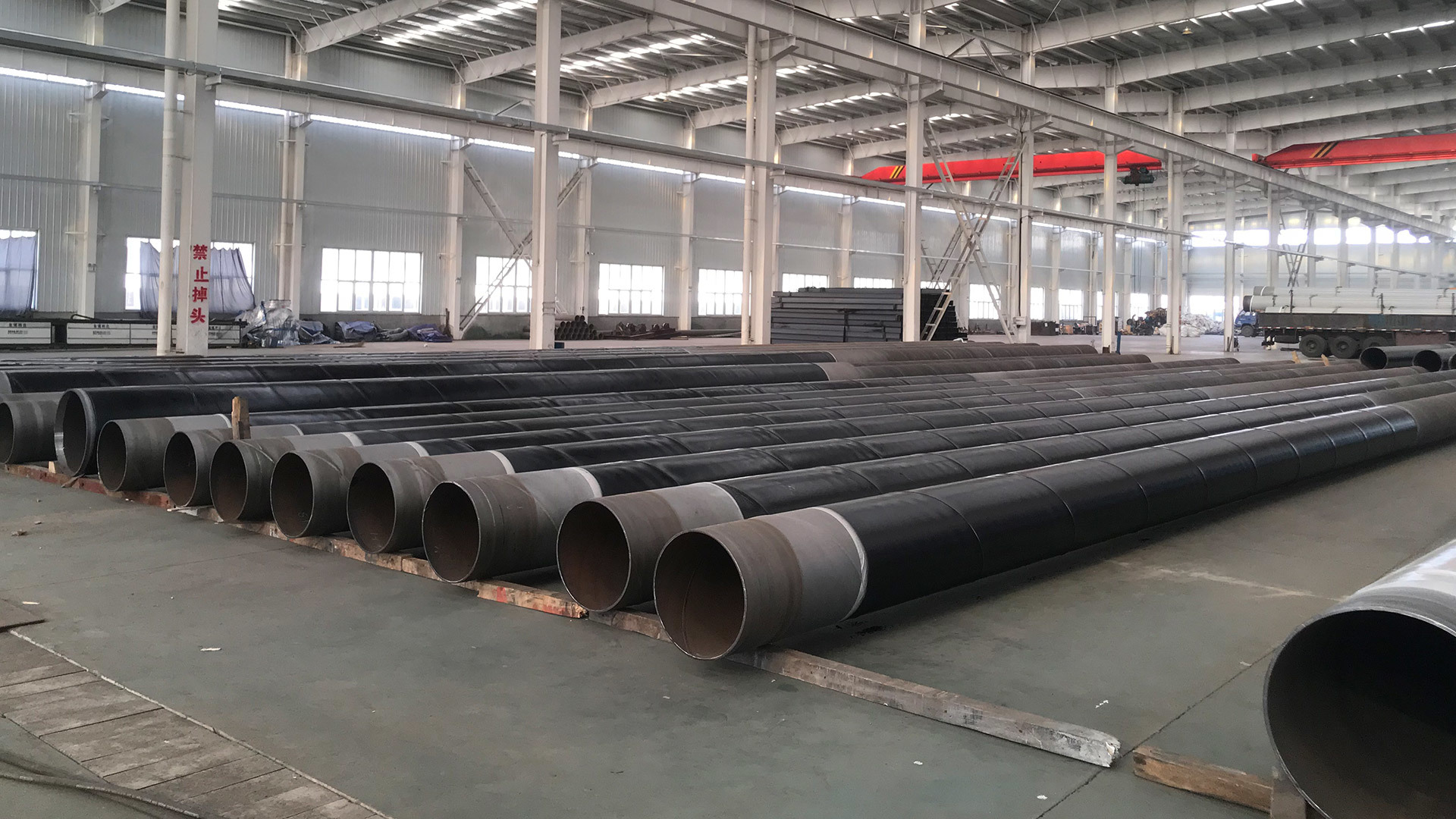
The construction industry is experiencing a paradigm shift with the increasing adoption of **steel structural prefabricated materials**. These materials, designed for efficient assembly and integration into various structures, offer an array of innovative applications that enhance both the quality and speed of construction processes. Understanding the nuances of prefabricated steel components is essential for industry professionals looking to leverage these advancements for better project outcomes.
2. Advantages of Using Steel Prefabricated Structures
Steel structural prefabricated materials come with numerous benefits that make them a favored choice for modern construction.
2.1 Enhanced Construction Speed
One of the most significant advantages of using prefabricated steel structures is the **substantial reduction in construction time**. The components are manufactured off-site in a controlled environment, allowing for simultaneous site preparation while the elements are being produced. This parallel processing method leads to quicker project completions, minimizing delays often experienced with traditional construction methods.
2.2 Improved Quality Control
Quality assurance is another crucial benefit. Manufacturing steel components in a factory setting facilitates rigorous **quality control measures** that are often challenging to implement on-site. This results in higher consistency and fewer defects, ensuring that the final structure meets stringent standards and regulations.
2.3 Sustainability and Environmental Benefits
In the current climate of environmental awareness, employing steel prefabricated materials can significantly reduce the carbon footprint of construction projects. Steel is highly recyclable, and using prefabricated components minimizes waste generated during the construction process. This approach aligns with sustainable building practices, making it an attractive option for environmentally conscious developers.
3. Key Applications of Steel Structural Prefabricated Materials
Steel structural prefabricated materials are versatile and can be applied across various sectors.
3.1 Commercial Buildings
The commercial sector benefits immensely from the rapid assembly and durability of steel prefabricated structures. **Office buildings, shopping centers, and retail spaces** can be completed quickly, allowing businesses to occupy and operate within them sooner.
3.2 Residential Projects
In residential construction, prefabricated steel components are gaining traction. Homes built with these materials exhibit increased durability and design flexibility. Moreover, the streamlined construction process can lead to reduced costs for homeowners.
3.3 Infrastructure Developments
Infrastructure projects, such as bridges and transportation hubs, also utilize steel prefabrication to enhance structural integrity and expedite project timelines. The ability to produce large spans of steel quickly contributes to the **efficient development of vital public works**.
3.4 Industrial Facilities
Manufacturing plants and warehouses benefit from the strength and resilience of steel structures. Prefabricated materials allow for the **customization of large spaces**, essential for industrial operations that require specific layouts and designs.
4. Future Trends in Steel Prefabrication
As the construction industry evolves, several trends are emerging that promise to further enhance the utility and efficiency of steel prefabricated materials.
4.1 Technological Innovations
Technological advancements, such as **Building Information Modeling (BIM)**, are revolutionizing how prefabricated components are designed and implemented. BIM allows for precise modeling and visualization, which helps in optimizing the design process and reducing errors.
4.2 Modular Construction
The trend towards **modular construction** is gaining momentum, with prefabricated steel modules being produced in factories and transported to the site for assembly. This method not only speeds up construction but also allows for repeatable designs, making it an effective solution for developers.
4.3 Smart Materials
The integration of smart materials into prefabricated steel structures is another exciting trend. These materials can adapt to environmental changes, providing enhanced energy efficiency and durability, ultimately leading to smarter building solutions.
5. Challenges and Considerations
Despite the numerous advantages, there are challenges associated with the use of steel prefabricated materials that builders must consider.
5.1 Cost Factors
While prefabrication can lead to cost savings over time, the initial investment may be higher than traditional methods, especially if custom designs are required. Builders must conduct thorough cost analyses to ensure that the long-term benefits outweigh upfront expenses.
5.2 Design Limitations
There may also be design limitations when using prefabricated materials. Customization options can be restricted, and architects must work within the bounds of what can be efficiently prefabricated, potentially limiting creative design options.
6. Frequently Asked Questions (FAQs)
6.1 What are prefabricated steel structures?
Prefabricated steel structures are components manufactured off-site, made from steel and designed to be assembled quickly on construction sites.
6.2 How does prefabrication reduce construction time?
By allowing for simultaneous site preparation and component manufacturing, prefabrication significantly accelerates the overall construction timeline.
6.3 Are steel prefabricated materials environmentally friendly?
Yes, steel is recyclable and using prefabricated materials minimizes waste, making them an eco-friendly construction option.
6.4 What types of projects benefit from prefabrication?
Commercial buildings, residential homes, infrastructure projects, and industrial facilities all benefit from the efficiency and durability of prefabricated steel structures.
6.5 What are the future prospects for steel prefabrication in construction?
With ongoing technological advancements and a growing emphasis on sustainability, the future of steel prefabrication looks promising, with increased applications and efficiency expected.
7. Conclusion
The innovative applications of steel structural prefabricated materials in construction represent a significant advance in building technology. Their advantages—ranging from enhanced speed and quality to sustainability—position them as a transformative force within the industry. As we look toward the future, ongoing advancements in technology and practices will further unlock the potential of these materials, driving the construction sector towards a more efficient and sustainable model. Embracing steel prefabrication may be the key to meeting the growing demands of modern construction while addressing environmental concerns and economic challenges.
Steel Structural Prefabricated

undefined