

XINYUE
PROJECTS
08
2026
-
10
The Future of SSAW Steel Pipe in Sustainable Building Practices: Innovations and Applications
The Future of SSAW Steel Pipe in Sustainable Building Practices Table of Contents 1. Introduction to SSAW Steel Pipes 2. Understanding SSAW Steel Pipes and Their Manufacturing Process 3. The Importance of Sustainable Building Practices 4. Applications of SSAW Steel Pipes in Modern Construction 5. Benefits of Using SSAW Steel Pipes in Sustainable Building 6. Future Trends i
The Future of SSAW Steel Pipe in Sustainable Building Practices
Table of Contents
- 1. Introduction to SSAW Steel Pipes
- 2. Understanding SSAW Steel Pipes and Their Manufacturing Process
- 3. The Importance of Sustainable Building Practices
- 4. Applications of SSAW Steel Pipes in Modern Construction
- 5. Benefits of Using SSAW Steel Pipes in Sustainable Building
- 6. Future Trends in SSAW Steel Pipe Technology
- 7. Challenges Facing SSAW Steel Pipes in Sustainable Practices
- 8. Case Studies: Successful Implementation of SSAW Steel Pipes
- 9. Frequently Asked Questions
- 10. Conclusion
1. Introduction to SSAW Steel Pipes
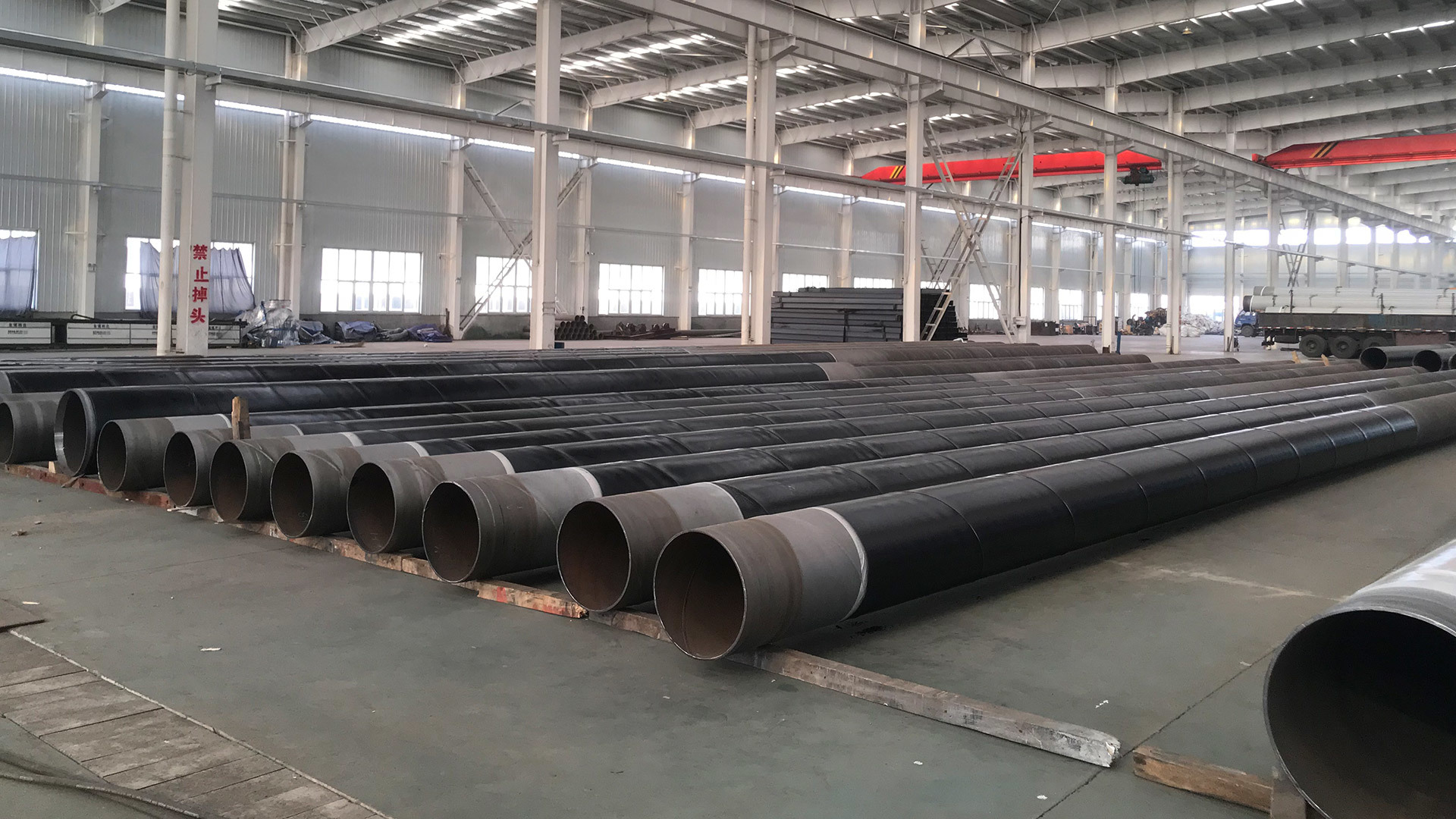
SSAW (Spiral Submerged Arc Welded) steel pipes are revolutionizing the construction industry by offering a robust solution that aligns with sustainable building practices. These pipes are known for their high strength, corrosion resistance, and adaptability, making them a preferred choice for various applications in modern construction.
2. Understanding SSAW Steel Pipes and Their Manufacturing Process
SSAW steel pipes are manufactured using a unique process where flat steel plates are spirally wound and welded together to create a tube. This method not only allows for the production of large-diameter pipes but also enhances the mechanical properties of the finished product. The submerged arc welding process ensures a strong, durable bond, making SSAW pipes suitable for high-stress environments.
The Manufacturing Process Explained
The manufacturing of SSAW steel pipes involves several key steps:
1. **Material Selection**: High-quality hot-rolled steel plates are selected for their strength and durability.
2. **Forming**: The steel plates are heated and then spirally formed into a cylindrical shape.
3. **Welding**: The edges of the formed plates are welded together using the submerged arc welding technique, ensuring a strong and reliable joint.
4. **Finishing**: The pipes undergo a series of finishing processes, including surface treatment, to enhance corrosion resistance.
3. The Importance of Sustainable Building Practices
Sustainable building practices focus on minimizing environmental impact while maximizing energy efficiency and resource conservation. As the world moves towards more eco-friendly construction methods, the demand for materials that support these goals is rising. SSAW steel pipes align perfectly with this trend, offering a sustainable solution without compromising on performance.
The Role of Steel in Sustainability
Steel is one of the most recycled materials globally. Using SSAW steel pipes significantly contributes to reducing waste in construction, as these pipes can be reused and recycled, further supporting sustainable practices.
4. Applications of SSAW Steel Pipes in Modern Construction
SSAW steel pipes are versatile and can be utilized in various applications, including:
- **Water Supply Systems**: Their durability makes them ideal for transporting water over long distances.
- **Gas Distribution**: SSAW pipes are used in natural gas distribution networks due to their strength and reliability.
- **Structural Applications**: In buildings and bridges, SSAW pipes provide essential support while minimizing weight.
- **Industrial Applications**: From petrochemical plants to wastewater treatment facilities, SSAW pipes are integral to infrastructure.
5. Benefits of Using SSAW Steel Pipes in Sustainable Building
Integrating SSAW steel pipes into construction projects offers numerous benefits:
Durability and Longevity
SSAW steel pipes are designed to withstand harsh environmental conditions, ensuring a long lifespan and reducing the need for replacements.
Cost-Effectiveness
Although the initial investment may be higher, the longevity and reduced maintenance costs of SSAW pipes make them a cost-effective choice in the long run.
Energy Efficiency
The thermal properties of steel contribute to energy efficiency in buildings, helping to maintain comfortable temperatures without excessive energy use.
Reduced Environmental Impact
Using recycled materials and promoting a longer lifecycle significantly reduces the carbon footprint of construction projects involving SSAW steel pipes.
6. Future Trends in SSAW Steel Pipe Technology
The future of SSAW steel pipes is bright, with ongoing innovations aimed at enhancing their performance and sustainability. Key trends include:
Smart Steel Technology
Integrating sensors into SSAW pipes can provide real-time data on structural integrity, enabling proactive maintenance and reducing the risk of failures.
Eco-Friendly Coatings
Developments in corrosion-resistant coatings made from sustainable materials are expected to enhance the lifespan and performance of SSAW pipes.
Advanced Manufacturing Techniques
The adoption of advanced manufacturing technologies, such as automation and AI, is expected to improve production efficiency and reduce waste.
7. Challenges Facing SSAW Steel Pipes in Sustainable Practices
Despite their advantages, SSAW steel pipes face challenges that can hinder their widespread adoption:
High Initial Costs
The initial investment in SSAW steel pipes can be higher than traditional materials, which may deter some builders.
Supply Chain Issues
Global supply chain disruptions can affect the availability of raw materials needed for manufacturing SSAW pipes.
Environmental Concerns
While steel is recyclable, the production process can still have a significant environmental impact unless managed sustainably.
8. Case Studies: Successful Implementation of SSAW Steel Pipes
Examining successful projects utilizing SSAW steel pipes can provide insights into their effectiveness:
Project A: Urban Water Supply System
In a major city, SSAW steel pipes were used to upgrade the water supply system, resulting in a 30% reduction in water loss due to leaks.
Project B: Bridge Construction
A new bridge incorporating SSAW steel pipes not only provided structural support but also met sustainability standards through the use of recycled materials.
9. Frequently Asked Questions
What are SSAW steel pipes?
SSAW steel pipes are spirally welded pipes made from steel plates, known for their strength and durability.
How are SSAW steel pipes produced?
They are produced through a process of forming, welding, and finishing hot-rolled steel plates into cylindrical shapes.
What are the environmental benefits of SSAW steel pipes?
They are recyclable, durable, and contribute to reduced waste in construction, aligning with sustainable building practices.
What applications are best suited for SSAW steel pipes?
They are commonly used in water supply systems, gas distribution, structural applications, and various industrial uses.
What challenges do SSAW steel pipes face?
Challenges include high initial costs, supply chain issues, and environmental concerns related to steel production.
10. Conclusion
The future of SSAW steel pipes in sustainable building practices is promising, with ongoing innovations and applications that align with global sustainability goals. By leveraging the benefits of SSAW technology, the construction industry can move towards more eco-friendly practices while ensuring durability and performance. As we embrace these advancements, SSAW steel pipes will play a crucial role in shaping a sustainable and resilient built environment for future generations.
Ssaw Steel Pipe

undefined