

XINYUE
PROJECTS
09
2025
-
12
The Crucial Role of ERW Carbon Steel Pipes in Sustainable Building Practices
The Crucial Role of ERW Carbon Steel Pipes in Sustainable Building Practices Table of Contents Introduction to ERW Carbon Steel Pipes What is ERW Carbon Steel Pipe? Understanding Sustainability in Construction Advantages of ERW Carbon Steel Pipes in Sustainable Building Durability and Longevity Ecological Benefits Cost-Effectiveness in
The Crucial Role of ERW Carbon Steel Pipes in Sustainable Building Practices
Table of Contents
- Introduction to ERW Carbon Steel Pipes
- What is ERW Carbon Steel Pipe?
- Understanding Sustainability in Construction
- Advantages of ERW Carbon Steel Pipes in Sustainable Building
- Applications of ERW Carbon Steel Pipes
- Compliance with Sustainable Standards
- The Future of ERW Carbon Steel Pipes in Construction
- FAQs about ERW Carbon Steel Pipes
- Conclusion
Introduction to ERW Carbon Steel Pipes
ERW (Electric Resistance Welded) carbon steel pipes have emerged as a fundamental component in modern construction, contributing significantly to sustainable building practices. These pipes are produced through a process that involves rolling steel sheets and welding them longitudinally using electric resistance. This method not only ensures structural integrity but also enhances the pipes' performance in various applications, making them an essential choice for builders and architects committed to sustainability.
What is ERW Carbon Steel Pipe?
ERW carbon steel pipes are manufactured from hot-rolled coils that are cut into sheets. These sheets undergo a welding process where a high-frequency electric current generates heat, allowing the edges to fuse together. The result is a strong, seamless pipe that is available in a variety of sizes and thicknesses. The controlled manufacturing process of ERW pipes ensures high-quality standards, allowing them to meet the diverse needs of the construction industry.
Understanding Sustainability in Construction
Sustainability in construction refers to the practice of designing and executing buildings and infrastructures that are environmentally friendly, economically viable, and socially responsible. This approach aims to minimize the negative impacts of building activities on the environment while maximizing resource efficiency. As the construction industry faces increasing pressure to reduce its carbon footprint, materials like ERW carbon steel pipes have become pivotal in achieving sustainable building objectives.
Advantages of ERW Carbon Steel Pipes in Sustainable Building
ERW carbon steel pipes offer several advantages that align with sustainable building practices. From durability to eco-friendliness, these pipes are transforming how we approach construction.
Durability and Longevity
One of the standout features of ERW carbon steel pipes is their remarkable durability. These pipes can withstand high pressures and extreme temperatures, making them ideal for various applications. Unlike other materials that may degrade over time, ERW pipes maintain their structural integrity for decades. This longevity reduces the need for frequent replacements, ultimately conserving resources and reducing waste.
Ecological Benefits
ERW carbon steel pipes are produced with a focus on reducing environmental impact. The manufacturing process involves less energy compared to other types of pipes, which decreases greenhouse gas emissions. Additionally, carbon steel is recyclable, meaning that at the end of its lifecycle, it can be repurposed, minimizing landfill waste and promoting a circular economy in construction.
Cost-Effectiveness in Construction
Cost is a significant factor in any construction project. ERW carbon steel pipes provide an economical solution without compromising quality. Their strength allows for thinner walls compared to alternative materials, which reduces the amount of steel required. This not only lowers material costs but also minimizes transportation and handling expenses. As a result, builders can achieve significant savings while adhering to sustainable practices.
Applications of ERW Carbon Steel Pipes
ERW carbon steel pipes are versatile and can be used in various construction applications, making them a preferred choice among builders.
In Residential Buildings
In residential construction, ERW pipes are commonly utilized for plumbing, heating, and gas distribution systems. Their durability ensures that these critical systems operate efficiently over time, greatly enhancing the safety and comfort of homes.
In Commercial Structures
Commercial buildings often require robust infrastructure to support heavy loads and complex systems. ERW carbon steel pipes are ideal for structural frameworks, HVAC systems, and fire protection systems, providing the necessary strength and reliability.
In Industrial Applications
The industrial sector benefits significantly from ERW carbon steel pipes. They are widely used in oil and gas pipelines, water supply systems, and wastewater management. Their ability to withstand harsh environments makes them indispensable in these applications, promoting sustainability through efficient resource management.
Compliance with Sustainable Standards
As the construction sector evolves, compliance with sustainability standards has become crucial. ERW carbon steel pipes align with various regulations and certifications that promote environmentally responsible practices. By incorporating these pipes into their projects, builders can ensure compliance with local and international sustainability initiatives, enhancing their reputation and marketability.
The Future of ERW Carbon Steel Pipes in Construction
The future of ERW carbon steel pipes looks promising as the construction industry increasingly prioritizes sustainability. Innovations in manufacturing processes, such as the use of renewable energy sources and improved recycling methods, will further enhance the ecological benefits of these pipes. As demand for sustainable building materials rises, ERW carbon steel pipes are well-positioned to play a pivotal role in reshaping the landscape of construction.
FAQs about ERW Carbon Steel Pipes
1. What are the main benefits of using ERW carbon steel pipes in construction?
ERW carbon steel pipes offer durability, cost-effectiveness, and environmental sustainability. They are strong, long-lasting, and recyclable, which makes them an excellent choice for various construction applications.
2. How do ERW pipes compare to other types of steel pipes?
ERW pipes are typically more cost-effective and have a smoother surface finish compared to other types of steel pipes. They also possess high tensile strength and can be produced in larger sizes.
3. Are ERW carbon steel pipes environmentally friendly?
Yes, ERW carbon steel pipes are environmentally friendly due to their recyclable nature and reduced energy consumption during manufacturing. They contribute to sustainability in construction by minimizing waste and emissions.
4. What are the common applications of ERW carbon steel pipes?
Common applications of ERW carbon steel pipes include plumbing, HVAC systems, fire protection systems, and structural frameworks in both residential and commercial buildings.
5. How do ERW carbon steel pipes enhance building safety?
ERW carbon steel pipes are designed to withstand high pressures and extreme temperatures, ensuring the integrity of plumbing and gas systems. Their durability reduces the risk of leaks and failures, thereby enhancing overall building safety.
Conclusion
In conclusion, ERW carbon steel pipes are vital components of modern sustainable building practices. Their combination of durability, eco-friendliness, and cost-effectiveness makes them an ideal choice for various construction applications. As the industry continues to evolve, these pipes will play an increasingly important role in promoting responsible building practices and meeting the growing demand for sustainable materials. By choosing ERW carbon steel pipes, builders can contribute to a greener future while ensuring their projects meet the highest standards of quality and safety.
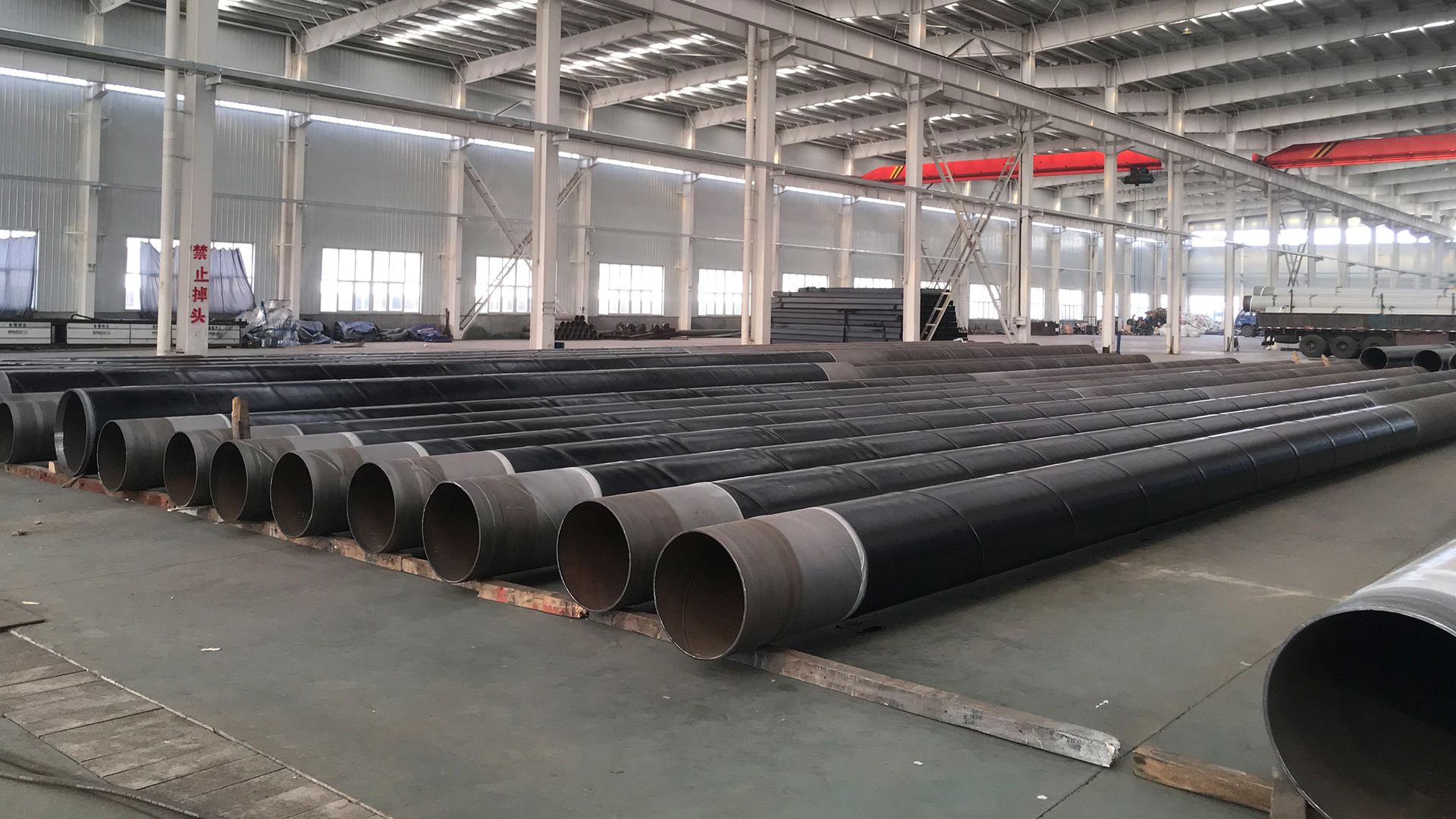
ERW carbon steel pipe

undefined