

XINYUE
PROJECTS
16
2025
-
12
How to Choose the Right Welded Steel Pipe for Your Building Needs
How to Choose the Right Welded Steel Pipe for Your Building Needs Table of Contents 1. Introduction to Welded Steel Pipes 2. Types of Welded Steel Pipes 2.1 Spiral Welded Steel Pipes 2.2 Longitudinal Welded Steel Pipes 2.3 Seamless vs. Welded Steel Pipes 3. Material Specifications for Welded Steel Pipes 4.
How to Choose the Right Welded Steel Pipe for Your Building Needs
Table of Contents
- 1. Introduction to Welded Steel Pipes
- 2. Types of Welded Steel Pipes
- 2.1 Spiral Welded Steel Pipes
- 2.2 Longitudinal Welded Steel Pipes
- 2.3 Seamless vs. Welded Steel Pipes
- 3. Material Specifications for Welded Steel Pipes
- 4. Applications of Welded Steel Pipes
- 5. Key Factors to Consider When Choosing Welded Steel Pipes
- 6. Sourcing and Supplier Evaluation
- 7. Maintenance and Installation Tips
- 8. Frequently Asked Questions
- 9. Conclusion
1. Introduction to Welded Steel Pipes
Welded steel pipes play a crucial role in various construction and engineering applications. These pipes are manufactured by welding together flat steel plates or strips and then forming them into a cylindrical shape. Understanding how to choose the right welded steel pipe is essential for ensuring the structural integrity and longevity of your building projects. In this article, we will explore the different types of welded steel pipes, their material specifications, applications, and critical factors to consider when selecting them for your needs.
2. Types of Welded Steel Pipes
When it comes to welded steel pipes, there are several types to consider based on their construction method and intended application. Understanding these types will help you make an informed decision.
2.1 Spiral Welded Steel Pipes
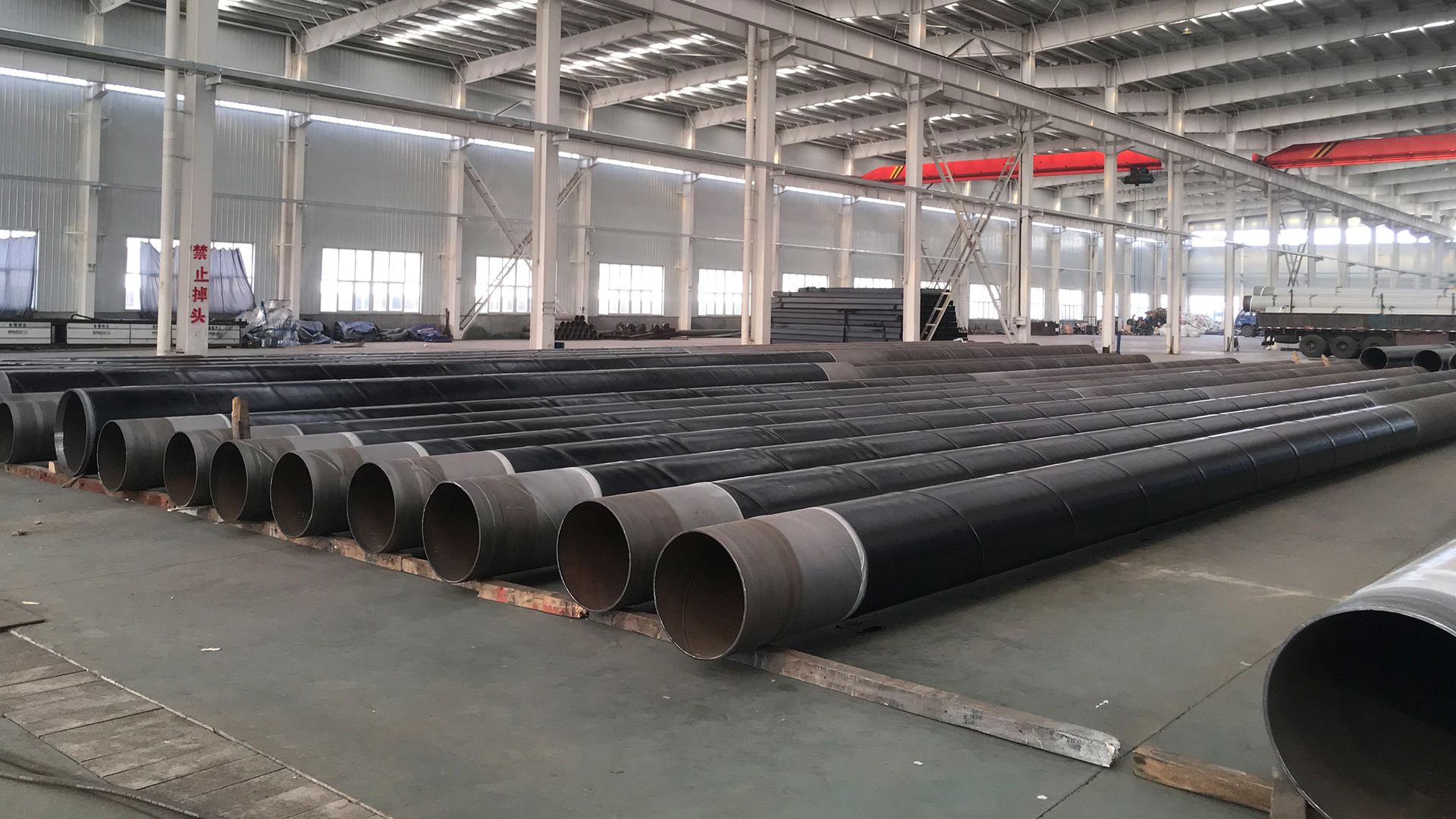
Spiral welded steel pipes are produced by spirally winding a steel strip around a cylindrical core. This method allows for the creation of large diameter pipes, making them suitable for applications such as water transportation, oil and gas, and structural projects. The spiral welding technique provides a strong and durable product, capable of withstanding high pressure and various environmental conditions.
2.2 Longitudinal Welded Steel Pipes
Longitudinal welded steel pipes are created by welding steel plates together along their length. This type is commonly used in applications requiring precise dimensions and high strength. Industries such as construction, chemical processing, and manufacturing often utilize longitudinal welded pipes due to their excellent mechanical properties.
2.3 Seamless vs. Welded Steel Pipes
The primary distinction between seamless and welded steel pipes lies in their manufacturing processes. Seamless pipes are extruded from solid steel billets, resulting in a uniform structure without welds. In contrast, welded pipes involve joining two or more pieces of steel. While seamless pipes are often favored for their strength and resistance to corrosion, welded steel pipes are generally more cost-effective and suitable for a wide range of applications.
3. Material Specifications for Welded Steel Pipes
When selecting welded steel pipes, it is essential to consider the material specifications that will impact their performance in specific applications. Key factors include:
1. **Steel Grade**: Different grades of steel offer varying levels of strength, corrosion resistance, and ductility. Common grades include ASTM A53, ASTM A500, and ASTM A252, each catering to specific use cases.
2. **Wall Thickness**: The thickness of the pipe walls affects its ability to withstand pressure and environmental stress. Thicker walls offer increased durability, while thinner walls are lighter and easier to handle.
3. **Coating Options**: Depending on the application, welded steel pipes may require protective coatings to enhance their resistance to corrosion and environmental degradation. Options include galvanization, epoxy coatings, and paint.
4. Applications of Welded Steel Pipes
Welded steel pipes find applications across various industries, including:
- **Construction**: Used in structural frameworks, scaffolding, and support systems.
- **Transportation**: Essential for transporting gas, oil, water, and other fluids.
- **Manufacturing**: Utilized in creating machinery, equipment, and products.
- **Energy Sector**: Employed in pipelines for petroleum and natural gas.
Understanding the specific requirements of each application will guide you in selecting the appropriate welded steel pipe.
5. Key Factors to Consider When Choosing Welded Steel Pipes
Selecting the right welded steel pipe involves evaluating several key factors. Here are some crucial points to consider:
5.1 Pipe Diameter and Thickness
The diameter and thickness of the pipe must align with your project's requirements. Larger diameters are necessary for high-flow applications, while thickness may vary based on pressure ratings and structural demands. Ensure that the selected dimensions adhere to industry standards and regulations.
5.2 Corrosion Resistance
Corrosion can significantly impact the longevity and performance of welded steel pipes. Consider the environmental conditions in which the pipes will be used. If they will be exposed to moisture or corrosive substances, selecting pipes with appropriate coatings or opting for stainless steel alternatives may be necessary.
5.3 Cost-Effectiveness
While quality is paramount, cost-effectiveness also plays a vital role in your decision-making process. Evaluate the price of welded steel pipes based on their specifications, performance, and lifespan. Balancing upfront costs with long-term benefits will help you make an economical choice.
6. Sourcing and Supplier Evaluation
Choosing the right supplier for welded steel pipes is as important as selecting the pipes themselves. Here are some tips for effective supplier evaluation:
1. **Reputation and Experience**: Look for suppliers with a solid reputation and extensive experience in the industry. Reviews and testimonials can provide valuable insights into their reliability.
2. **Quality Certifications**: Check if the supplier holds relevant quality certifications, such as ISO 9001, which indicates adherence to strict manufacturing and quality control standards.
3. **Product Range and Customization**: Consider suppliers that offer a diverse range of welded steel pipes and can accommodate custom specifications if necessary.
4. **Customer Support**: A responsive customer support team can assist you with queries and concerns throughout the procurement process.
7. Maintenance and Installation Tips
Proper maintenance and installation are crucial for ensuring the longevity of welded steel pipes. Here are some tips:
- **Pre-Installation Inspection**: Before installation, inspect the pipes for any defects or damages to avoid future issues.
- **Follow Best Practices**: Adhere to industry best practices for installation, including securing the pipes correctly and ensuring proper alignment.
- **Regular Maintenance**: Implement a maintenance schedule that includes inspections, cleaning, and assessments of the pipes for signs of wear or corrosion.
8. Frequently Asked Questions
What are the advantages of welded steel pipes over seamless pipes?
Welded steel pipes are generally more cost-effective to produce, allowing for larger diameters and greater flexibility in manufacturing. They are suitable for a wide range of applications.
How can I determine the correct size of welded steel pipe for my project?
Assess your project's flow requirements, pressure levels, and structural needs. Consulting with industry professionals or engineers can also provide valuable guidance.
Are welded steel pipes suitable for high-pressure applications?
Yes, welded steel pipes can be designed to withstand high pressures, especially when constructed with thicker walls and appropriate material grades.
What type of coating is best for welded steel pipes exposed to harsh environments?
For harsh environments, consider using galvanized coatings or epoxy coatings, which offer enhanced corrosion resistance.
How do I ensure the quality of welded steel pipes before purchase?
Request quality certifications, conduct pre-purchase inspections, and choose reputable suppliers with a history of providing high-quality products.
9. Conclusion
Choosing the right welded steel pipe for your building needs is a critical decision that requires careful consideration of various factors, including pipe type, material specifications, and intended applications. By understanding the different types of welded steel pipes, evaluating key factors, and sourcing from reliable suppliers, you can ensure that your construction projects are successful and durable. Armed with this knowledge, you are now better equipped to make informed choices that will meet your building requirements effectively.
welded steel pipe
Previous page
Previous page

undefined