

XINYUE
PROJECTS
10
2026
-
02
SSAW Steel Pipes: The Ultimate Solution for Unmatched Durability in Construction
SSAW Steel Pipes: The Ultimate Solution for Unmatched Durability in Construction Table of Contents 1. Understanding SSAW Steel Pipes 2. Key Characteristics of SSAW Steel Pipes 3. Advantages of Using SSAW Steel Pipes in Construction 4. Applications of SSAW Steel Pipes 5. Comparison with Other Types of Steel Pipes 6. Installation Processes for SSAW Steel Pipes 7. Mainten
SSAW Steel Pipes: The Ultimate Solution for Unmatched Durability in Construction
Table of Contents
- 1. Understanding SSAW Steel Pipes
- 2. Key Characteristics of SSAW Steel Pipes
- 3. Advantages of Using SSAW Steel Pipes in Construction
- 4. Applications of SSAW Steel Pipes
- 5. Comparison with Other Types of Steel Pipes
- 6. Installation Processes for SSAW Steel Pipes
- 7. Maintenance Tips for SSAW Steel Pipes
- 8. FAQs about SSAW Steel Pipes
- 9. Conclusion
1. Understanding SSAW Steel Pipes
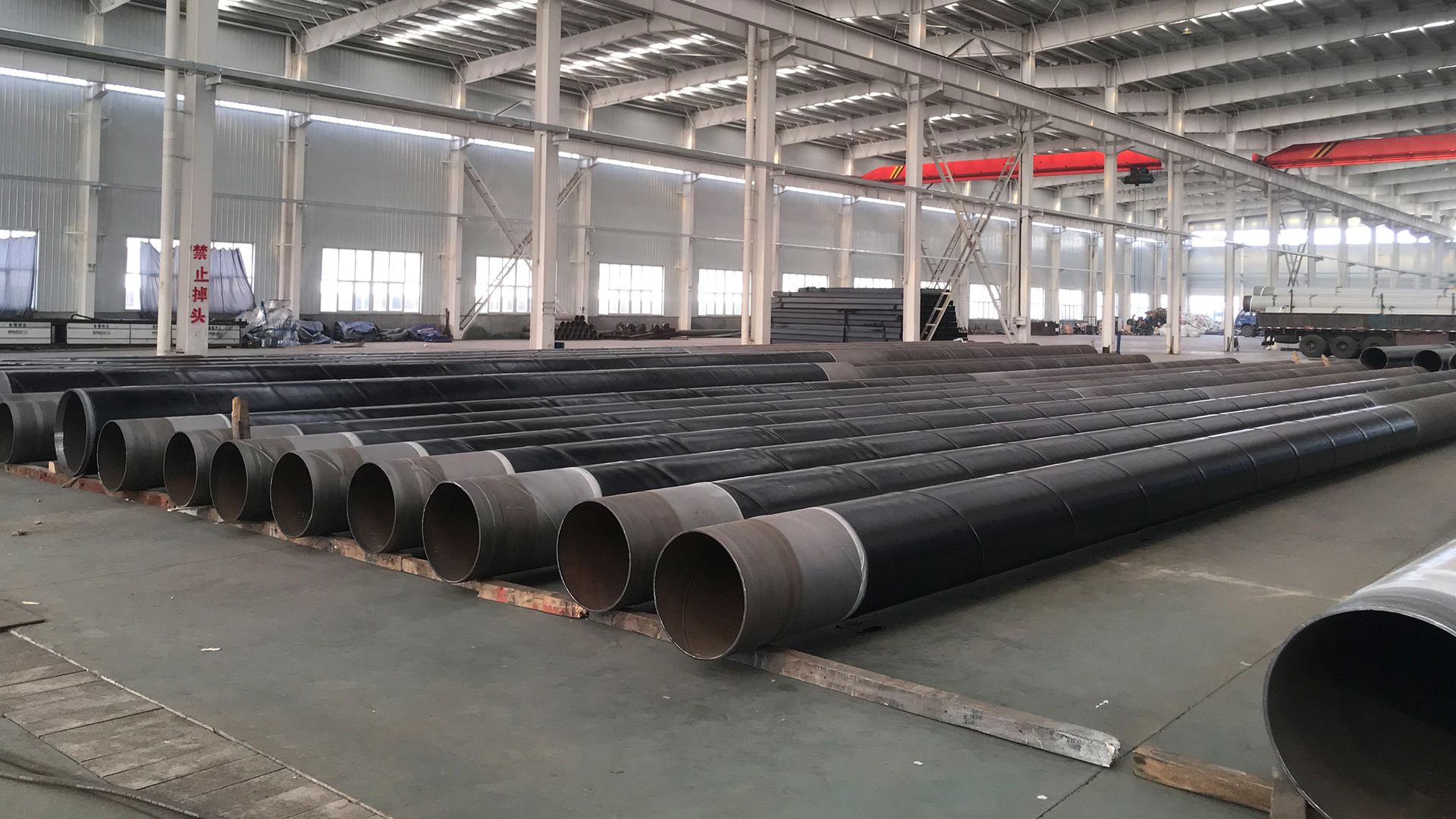
Spiral Submerged Arc Welded (SSAW) steel pipes are a type of welded pipe primarily used in construction and infrastructure projects. This manufacturing method involves forming a flat steel plate into a spiral shape and welding the edges together. The unique characteristics of SSAW pipes make them a preferred choice for various applications, particularly where durability is paramount.
2. Key Characteristics of SSAW Steel Pipes
SSAW steel pipes exhibit several important features that contribute to their strength and reliability:
2.1 High Strength-to-Weight Ratio
SSAW pipes offer a remarkable strength-to-weight ratio, making them easier to handle and install without compromising structural integrity. This efficiency is crucial in modern construction, where weight can significantly impact logistics and costs.
2.2 Corrosion Resistance
The welding process and the quality of materials used in SSAW pipes enhance their resistance to corrosion. This property is vital for pipes that are expected to be exposed to harsh environmental conditions or chemicals.
2.3 Flexibility in Size and Diameter
With the ability to produce SSAW steel pipes in various sizes and diameters, they can effectively meet the specific requirements of different construction projects. This flexibility allows for more design options and improved engineering solutions.
3. Advantages of Using SSAW Steel Pipes in Construction
Utilizing SSAW steel pipes in construction comes with numerous advantages that can enhance project outcomes:
3.1 Enhanced Durability
One of the most significant benefits of SSAW steel pipes is their durability. They are designed to withstand high pressure and extreme temperatures, making them ideal for heavy-duty applications.
3.2 Cost-Effective Solutions
SSAW pipes can be produced at a lower cost than other types of steel pipes, providing an economical solution without sacrificing quality. This cost efficiency is particularly beneficial for large-scale construction projects.
3.3 Environmental Benefits
The production and recycling of SSAW steel pipes have a lower environmental impact compared to other materials. As steel is recyclable, using SSAW pipes can contribute to sustainable building practices.
4. Applications of SSAW Steel Pipes
SSAW steel pipes are versatile and can be used across various sectors, including:
4.1 Water Supply and Sewage Systems
Their durability and corrosion resistance make SSAW pipes an excellent choice for water supply and sewage systems. They ensure a reliable flow of water while minimizing the risk of leaks or contamination.
4.2 Oil and Gas Industry
In the oil and gas sector, SSAW pipes are used for transporting hydrocarbons and other fluids over long distances. Their strength and resistance to environmental factors ensure safe and efficient operation.
4.4 Structural Applications
SSAW pipes play a vital role in constructing bridges, buildings, and other infrastructures. Their ability to bear heavy loads while maintaining structural integrity is critical for safety and performance.
5. Comparison with Other Types of Steel Pipes
When considering the best pipe type for construction, it is essential to understand how SSAW pipes compare with other options, such as ERW (Electric Resistance Welded) and LSAW (Longitudinal Submerged Arc Welded) pipes.
5.1 SSAW vs. ERW
While both SSAW and ERW pipes are welded, SSAW pipes typically have a larger diameter and can be produced from wider plates. This makes them more suitable for heavy-duty applications.
5.2 SSAW vs. LSAW
LSAW pipes are welded longitudinally, while SSAW pipes are spirally welded. SSAW pipes are often preferred for larger diameters and are generally more cost-effective.
6. Installation Processes for SSAW Steel Pipes
Proper installation of SSAW steel pipes is crucial for ensuring long-term performance:
6.1 Site Preparation
Before installation, it's essential to prepare the site adequately. This includes clearing the area and ensuring a stable foundation to support the pipes.
6.2 Laying the Pipes
During the laying process, the pipes should be aligned correctly to ensure a proper fit. It is crucial to maintain the correct slope and elevation to facilitate drainage and flow.
6.3 Welding and Joining
Welding methods used for joining SSAW pipes must adhere to industry standards to prevent leaks. Qualified personnel should perform these tasks to guarantee quality and safety.
7. Maintenance Tips for SSAW Steel Pipes
To maximize the lifespan of SSAW steel pipes, implementing a regular maintenance plan is essential:
7.1 Regular Inspections
Conducting frequent inspections helps identify potential issues before they escalate. Look for signs of corrosion, leaks, or structural damage.
7.2 Cleaning
Keeping the pipes clean can prevent rust and corrosion. Regular cleaning of the exterior and interior surfaces can enhance durability and performance.
7.3 Addressing Damage Promptly
If any damage is detected, it is crucial to address it immediately. Timely repairs can prevent further deterioration and extend the life of the pipes.
8. FAQs about SSAW Steel Pipes
8.1 What does SSAW stand for?
SSAW stands for Spiral Submerged Arc Welded, which refers to the method used to manufacture these pipes.
8.2 How long do SSAW steel pipes last?
With proper maintenance, SSAW steel pipes can last several decades, making them a durable choice for construction.
8.3 Are SSAW pipes suitable for high-pressure applications?
Yes, SSAW pipes are designed to handle high-pressure applications, making them suitable for various sectors, including oil and gas.
8.4 Can SSAW pipes be recycled?
Yes, SSAW steel pipes are recyclable, contributing to sustainability in construction.
8.5 What sizes are available for SSAW steel pipes?
SSAW pipes are available in a wide range of sizes and diameters, allowing for customization based on project requirements.
9. Conclusion
In conclusion, SSAW steel pipes represent an excellent choice for construction projects that demand durability, cost-effectiveness, and versatility. Their unique manufacturing process endows them with exceptional strength, making them suitable for a wide array of applications in various industries. As the construction sector continues to evolve, the reliance on high-quality materials like SSAW steel pipes will undoubtedly grow. Embracing these pipes can lead to more robust, sustainable, and efficient construction practices that meet the demands of modern infrastructure.
SSAW Steel Pipe

undefined