

XINYUE
PROJECTS
24
2026
-
02
Welded Steel Pipe: A Durable Solution for Heavy Construction
Welded Steel Pipe: A Durable Solution for Heavy Construction Introduction to Welded Steel Pipes Welded steel pipes have become a cornerstone in the construction and architecture industry, providing a robust solution for various applications. Their ability to withstand rigorous conditions makes them highly sought after in heavy construction projects. In this article, we will delve into the essent
Welded Steel Pipe: A Durable Solution for Heavy Construction
Introduction to Welded Steel Pipes
Welded steel pipes have become a cornerstone in the construction and architecture industry, providing a robust solution for various applications. Their ability to withstand rigorous conditions makes them highly sought after in heavy construction projects. In this article, we will delve into the essential features, manufacturing processes, applications, and advantages of welded steel pipes, positioning them as the go-to choice for durability in construction.
Understanding Welded Steel Pipes
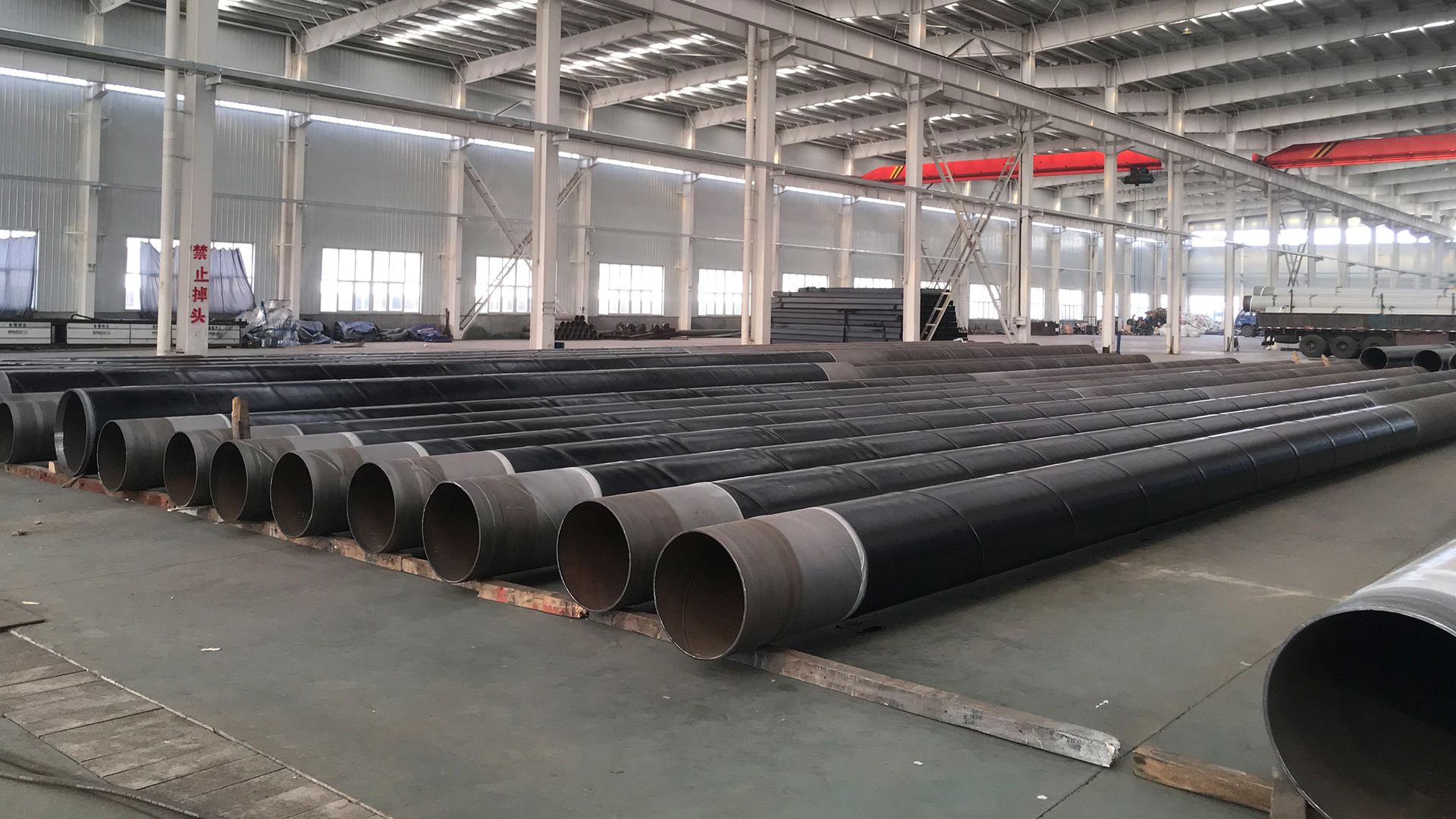
Welded steel pipes are created by rolling steel plates into cylindrical shapes and then welding the edges together. This process ensures a strong bond and consistency in the material, making them suitable for a wide range of heavy-duty applications. The primary advantages of welded steel pipes include their strength, versatility, and superior resistance to external pressures.
The Manufacturing Process of Welded Steel Pipes
The manufacturing process of welded steel pipes involves several crucial steps that ensure quality and durability:
1. Raw Material Selection
The process begins with selecting high-quality steel, typically carbon steel or alloy steel, which provides excellent mechanical properties.
2. Formation of the Pipe
Steel plates are heated and rolled into cylindrical shapes. The edges of these plates are aligned, creating a seam for welding.
3. Welding Techniques
There are various welding techniques used in manufacturing, including:
- **Submerged Arc Welding (SAW)**: This method involves covering the weld joint with a granular flux to protect it from contaminants.
- **Electric Resistance Welding (ERW)**: In this method, electrical currents are used to heat the edges of the steel, forming a strong bond when pressed together.
4. Testing and Quality Control
After welding, pipes undergo rigorous testing, such as hydrostatic and ultrasonic tests, to ensure they meet industry standards for strength and durability.
Types of Welded Steel Pipes
Welded steel pipes come in various types, each tailored for specific applications:
- **Straight Seam Welded Pipes**: These are commonly used for transporting fluids and gases, thanks to their streamlined structure.
- **Spiral Welded Pipes**: Ideal for large diameter applications, spiral welded pipes are often used in water and sewage systems.
- **Structural Steel Pipes**: These are used in construction as they provide excellent load-bearing capacities.
Key Applications of Welded Steel Pipes in Heavy Construction
Welded steel pipes have diverse applications in heavy construction, making them indispensable for various projects:
1. Water and Sewage Systems
Welded steel pipes are frequently used in municipal water and sewage systems. Their durability and resistance to corrosion ensure a long service life, reducing maintenance costs over time.
2. Structural Applications
In construction, welded steel pipes serve as columns and beams, providing structural support for buildings and bridges. Their high tensile strength allows them to bear substantial loads.
3. Oil and Gas Transportation
These pipes are essential for transporting oil and gas over long distances. Their robust construction prevents leaks and ensures safety during transportation.
4. Industrial Equipment and Machinery
Welded steel pipes are commonly used in the manufacturing of industrial equipment, such as conveyors and scaffolding, due to their strength and versatility.
Advantages of Using Welded Steel Pipes in Heavy Construction
Welded steel pipes offer several advantages that make them ideal for heavy construction projects:
1. Durability and Longevity
One of the primary benefits of welded steel pipes is their durability. They can withstand extreme environmental conditions, reducing the need for frequent replacements.
2. Cost-Effectiveness
While the initial investment may be higher than other materials, the long-term benefits and reduced maintenance costs make welded steel pipes a cost-effective choice.
3. Design Flexibility
Welded steel pipes can be manufactured in various sizes and shapes, making them suitable for a broad range of applications, from small-scale projects to large infrastructure developments.
4. Environmental Benefits
Steel is a recyclable material. Using welded steel pipes contributes to sustainable building practices and reduces the overall environmental impact of construction.
Industry Standards and Regulations for Welded Steel Pipes
To ensure safety and quality, welded steel pipes must adhere to specific industry standards and regulations:
1. ASTM Standards
The American Society for Testing and Materials (ASTM) provides guidelines for the manufacturing and testing of welded steel pipes. Standards such as ASTM A53 and ASTM A252 are commonly referenced in construction projects.
2. API Standards
The American Petroleum Institute (API) sets standards for pipes used in the oil and gas industry, ensuring they meet safety and performance specifications.
3. ISO Certifications
International Organization for Standardization (ISO) certifications ensure that manufacturers adhere to quality management standards, guaranteeing the reliability of welded steel pipes.
Installation and Maintenance of Welded Steel Pipes
Proper installation and maintenance practices are crucial for maximizing the lifespan of welded steel pipes in construction:
1. Installation Guidelines
- Ensure that the surface is clean and free from contaminants before installation.
- Use appropriate fittings and connections to minimize leak risks.
2. Regular Inspections
Conduct regular inspections to identify any signs of wear, corrosion, or damage. Early detection of issues can prevent costly repairs down the line.
3. Corrosion Protection
Applying protective coatings can significantly extend the life of welded steel pipes by preventing corrosion, especially in harsh environments.
FAQs About Welded Steel Pipes
1. What are welded steel pipes typically used for?
Welded steel pipes are commonly used in water and sewage systems, structural applications, oil and gas transportation, and industrial machinery.
2. How do welded steel pipes compare to seamless pipes?
Welded steel pipes are generally more cost-effective than seamless pipes, but seamless pipes may offer better performance in high-pressure applications.
3. What is the lifespan of welded steel pipes?
With proper installation and maintenance, welded steel pipes can last for several decades, often exceeding 50 years.
4. Are welded steel pipes environmentally friendly?
Yes, steel is recyclable, and using welded steel pipes contributes to sustainable construction practices.
5. What are the common sizes of welded steel pipes?
Welded steel pipes are available in various sizes, ranging from small diameters (a few inches) to large diameters (up to several feet), depending on the application.
Conclusion
Welded steel pipes stand out as a durable and versatile solution for heavy construction projects. Their strength, cost-effectiveness, and adaptability make them a preferred choice across various industries. By adhering to industry standards and best practices in installation and maintenance, welded steel pipes can provide long-lasting performance that meets the demands of modern construction. As the construction landscape continues to evolve, the importance of reliable materials like welded steel pipes cannot be overstated. Embrace the future of construction with welded steel pipes, ensuring durability and efficiency in your projects.
welded steel pipe
Previous page
Previous page

undefined