

XINYUE
PROJECTS
28
2026
-
04
Understanding the Manufacturing Process of ERW Carbon Steel Pipes: A Comprehensive Guide
Understanding the Manufacturing Process of ERW Carbon Steel Pipes Table of Contents Introduction to ERW Carbon Steel Pipes What is ERW (Electric Resistance Welded) Carbon Steel? Importance of ERW Carbon Steel Pipes in Construction Raw Materials Used in Manufacturing ERW Pipes The Manufacturing Process of ERW Carbon Steel Pipes Step 1: Material Preparation
Understanding the Manufacturing Process of ERW Carbon Steel Pipes
Table of Contents
- Introduction to ERW Carbon Steel Pipes
- What is ERW (Electric Resistance Welded) Carbon Steel?
- Importance of ERW Carbon Steel Pipes in Construction
- Raw Materials Used in Manufacturing ERW Pipes
- The Manufacturing Process of ERW Carbon Steel Pipes
- Step 1: Material Preparation
- Step 2: Forming the Pipe
- Step 3: Welding the Seam
- Step 4: Cooling and Cutting
- Quality Control Measures
- Applications of ERW Carbon Steel Pipes
- The Future of ERW Carbon Steel Pipes
- Conclusion
- FAQs about ERW Carbon Steel Pipes
Introduction to ERW Carbon Steel Pipes
ERW carbon steel pipes are a crucial component in the construction and manufacturing industries. These pipes are known for their durability, strength, and versatility, making them a preferred choice for various applications. Understanding the manufacturing process of ERW pipes not only highlights their importance but also informs procurement and application strategies.
What is ERW (Electric Resistance Welded) Carbon Steel?
Electric Resistance Welding (ERW) is a process that joins materials through the application of heat generated by electrical resistance. The method involves passing an electric current through the edges of rolled steel sheets, which are then pressed together to form a pipe. The result is a welded seam that is both strong and reliable, essential for ensuring the integrity of the pipes under various stress conditions.
Importance of ERW Carbon Steel Pipes in Construction
ERW carbon steel pipes play a vital role in numerous construction projects. Their applications range from structural frameworks to fluid transportation systems. The strength-to-weight ratio of these pipes allows for lighter structures without compromising safety. Additionally, their resistance to corrosion when properly treated makes them suitable for both indoor and outdoor applications.
Raw Materials Used in Manufacturing ERW Pipes
The primary raw material for ERW carbon steel pipes is hot-rolled steel. Sheets of steel are sourced from quality suppliers to ensure consistency and performance. The specifications for these sheets often include precise chemical compositions to meet industry standards, ensuring the final product’s strength and durability.
The Manufacturing Process of ERW Carbon Steel Pipes
The manufacturing process of ERW carbon steel pipes involves several critical stages, each contributing to the final product's quality and performance. Below, we discuss the detailed steps involved in this process.
Step 1: Material Preparation
The process begins with the careful selection and preparation of raw steel sheets. These sheets are cut into specific dimensions based on the desired pipe diameter and wall thickness. The edges of the sheets are then cleaned to remove any contaminants that could affect the welding process.
Step 2: Forming the Pipe
Once the sheets are prepared, they are fed into a forming machine. This machine utilizes rollers to shape the flat sheet into a cylindrical structure. The precise forming of the pipe is crucial, as it affects the quality of the weld seam and the final dimensions of the pipe.
Step 3: Welding the Seam
As the formed pipe moves along the production line, it enters the welding zone. Here, electric resistance welding is applied. The edges of the pipe are heated to a molten state through electrical resistance, and then they are pressed together to form a continuous weld seam. This process is carefully monitored to ensure the weld is strong and uniform.
Step 4: Cooling and Cutting
Once the welding is complete, the pipe is allowed to cool. The cooling process is essential to ensure that the weld solidifies properly and that the pipe maintains its structural integrity. After cooling, the pipes are cut to the required lengths using precision cutting machines, ensuring that each piece meets specifications.
Quality Control Measures
Quality control is a critical component in the manufacturing process of ERW carbon steel pipes. Rigorous testing is conducted at various stages of production, including:
- **Visual Inspection:** Operators visually inspect the pipes for any defects or irregularities.
- **Dimension Testing:** Each pipe is measured to ensure it meets specified dimensions and tolerances.
- **Weld Testing:** Non-destructive testing methods, such as ultrasonic and radiographic testing, are utilized to evaluate the integrity of the weld seam.
- **Pressure Testing:** Some pipes undergo pressure tests to ensure they can withstand operational conditions without failure.
These quality control measures ensure that the final products adhere to industry standards and customer requirements.
Applications of ERW Carbon Steel Pipes
ERW carbon steel pipes are utilized in a wide range of applications, including:
- **Oil and Gas Industry:** Used for transporting oil, natural gas, and other fluids.
- **Construction Industry:** Employed in structural frameworks, scaffolding, and as support columns.
- **Water Supply and Distribution:** Commonly used for plumbing and irrigation systems.
- **Manufacturing:** Used in the production of various machinery and equipment.
The versatility of ERW carbon steel pipes makes them invaluable across multiple sectors.
The Future of ERW Carbon Steel Pipes
As industries evolve and demand for quality materials increases, the manufacturing process for ERW carbon steel pipes continues to advance. Innovations in technology, such as automation and advanced welding techniques, are enhancing production efficiency and product quality. Additionally, there is a growing focus on sustainability, leading manufacturers to explore eco-friendly practices in the sourcing and production of steel.
Conclusion
Understanding the manufacturing process of ERW carbon steel pipes is essential for professionals in the construction and manufacturing industries. From raw material selection to the final quality control measures, each step plays a significant role in the durability and reliability of the pipes. As technology continues to advance, the future of ERW pipes looks promising, ensuring they remain a cornerstone in modern construction.
FAQs about ERW Carbon Steel Pipes
1. What is the main advantage of ERW over other types of pipes?
ERW pipes offer superior weld strength and uniformity, making them ideal for applications requiring high reliability.
2. Can ERW carbon steel pipes be used for high-pressure applications?
Yes, depending on their specifications and the quality of manufacturing, ERW pipes can be designed to withstand high-pressure environments.
3. How can I determine if ERW pipes are suitable for my project?
Consulting with a materials engineer or supplier can help determine the appropriate type of pipe based on your project’s requirements.
4. Are ERW pipes resistant to corrosion?
While ERW pipes are generally susceptible to corrosion, proper treatment and coatings can enhance their resistance.
5. What standards should ERW carbon steel pipes meet?
ERW pipes should comply with industry standards such as ASTM, API, and ISO, ensuring they are fit for purpose and safe for use.
By understanding the comprehensive manufacturing process and applications of ERW carbon steel pipes, stakeholders can make informed decisions that enhance project outcomes and safety standards.
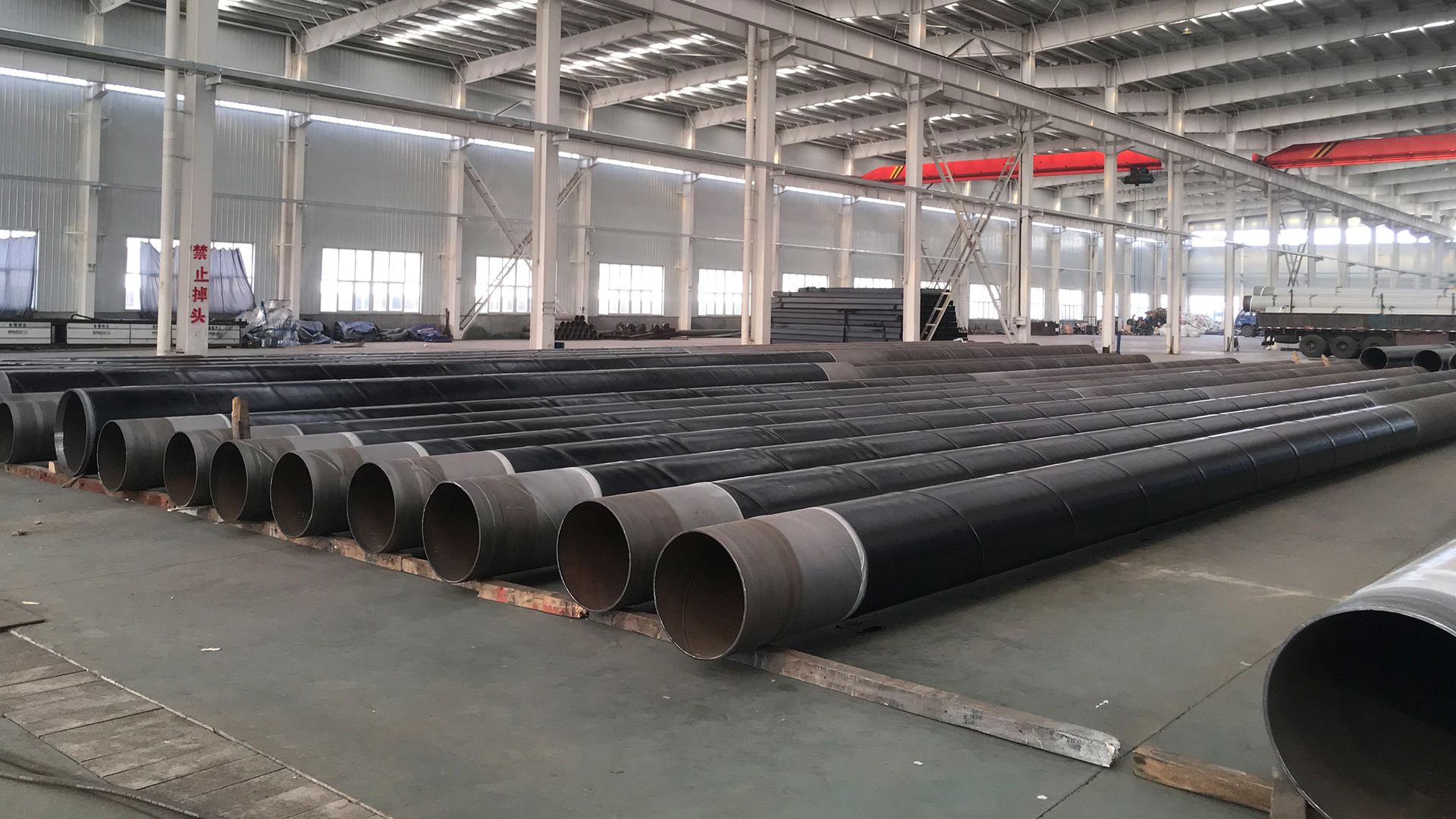
ERW carbon steel pipe

undefined