

XINYUE
PROJECTS
05
2026
-
05
Innovative Applications of Welded Steel Pipe in Today’s Buildings
Innovative Applications of Welded Steel Pipe in Today’s Buildings Table of Contents 1. Introduction to Welded Steel Pipes 2. Advantages of Using Welded Steel Pipes 3. Key Applications in Modern Architecture 3.1 Structural Frameworks 3.2 Aesthetic Facades 3.3 Plumbing and HVAC Systems 3.4 Sustainable Structures 4. In
Innovative Applications of Welded Steel Pipe in Today’s Buildings
Table of Contents
- 1. Introduction to Welded Steel Pipes
- 2. Advantages of Using Welded Steel Pipes
- 3. Key Applications in Modern Architecture
- 3.1 Structural Frameworks
- 3.2 Aesthetic Facades
- 3.3 Plumbing and HVAC Systems
- 3.4 Sustainable Structures
- 4. Innovative Design Strategies
- 5. Case Studies Highlighting Success
- 6. Future Trends in Welded Steel Pipe Usage
- 7. Frequently Asked Questions
- 8. Conclusion
1. Introduction to Welded Steel Pipes
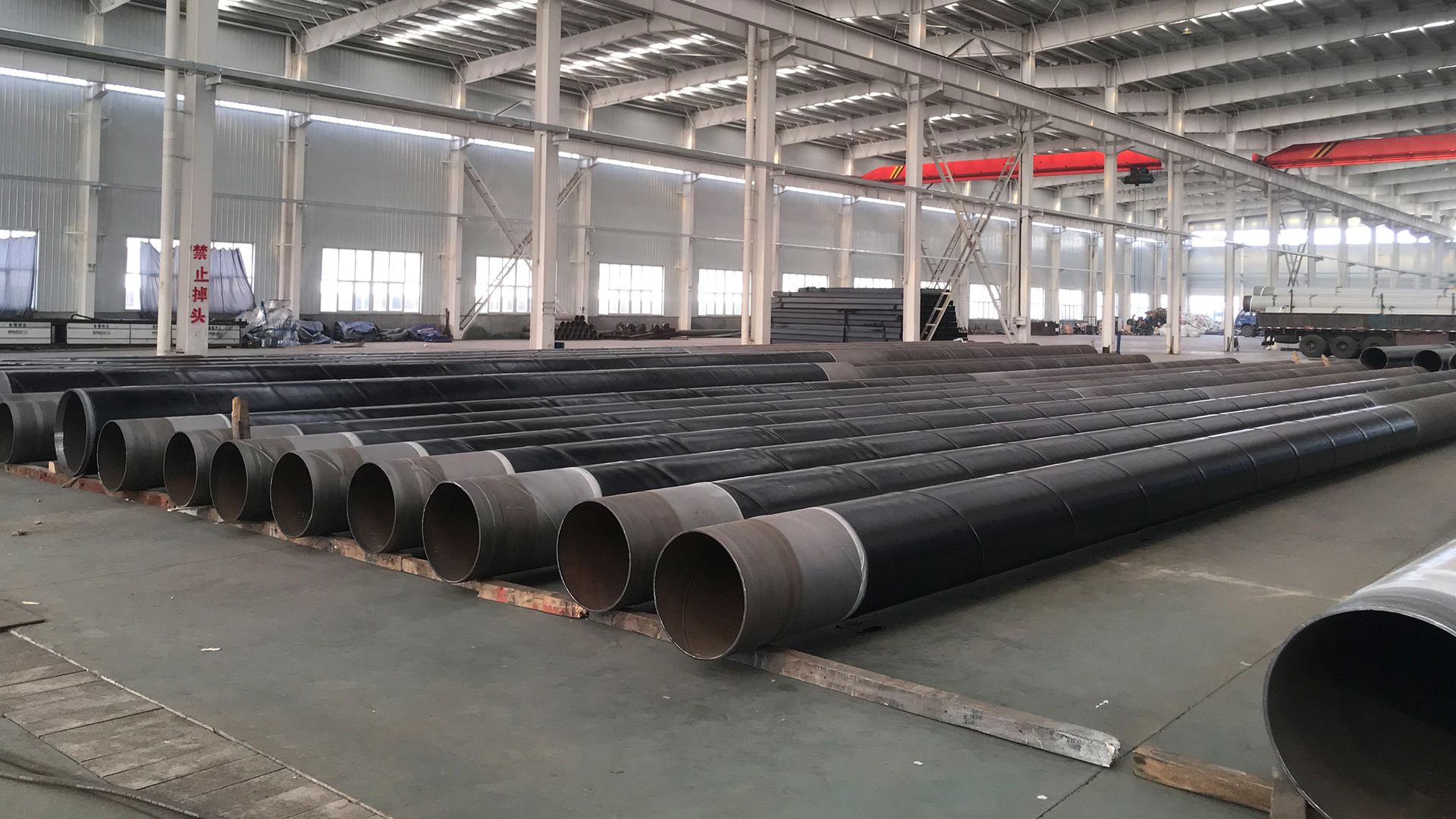
Welded steel pipes have emerged as a cornerstone in the construction industry, offering a blend of strength, versatility, and economic efficiency. As buildings evolve to meet modern demands, the applications of welded steel pipes continue to expand. Their ability to provide structural support while accommodating complex architectural designs makes them an indispensable element in contemporary construction.
2. Advantages of Using Welded Steel Pipes
The popularity of welded steel pipes in construction can be attributed to several significant advantages:
2.1 Durability and Strength
Welded steel pipes are known for their exceptional strength capabilities. They can withstand extreme loads and adverse weather conditions, making them suitable for both residential and commercial buildings.
2.2 Cost-Effectiveness
In comparison to other materials, welded steel pipes are more economical due to their long lifespan and low maintenance requirements. This cost-effectiveness is a key factor for builders and developers.
2.3 Versatility and Adaptability
Welded steel pipes can be utilized in various applications, from structural supports to decorative elements. Their ability to adapt to different design requirements makes them a preferred choice among architects.
2.4 Ease of Installation
The installation process for welded steel pipes is relatively straightforward, saving time and labor costs during construction. This efficiency contributes to faster project completion without compromising quality.
3. Key Applications in Modern Architecture
Welded steel pipes find diverse applications in today’s buildings, significantly influencing structural integrity and aesthetic appeal.
3.1 Structural Frameworks
Welded steel pipes serve as critical components in structural frameworks. They provide the necessary support to withstand dynamic loads and stresses. Their ability to form robust connections enhances the overall stability of buildings, allowing for taller and more complex designs.
3.2 Aesthetic Facades
Architects are increasingly using welded steel pipes in the design of facades, creating visually striking exteriors. The sleek lines and modern finish of welded steel offer endless possibilities for innovative design, contributing to the aesthetic appeal of buildings.
3.3 Plumbing and HVAC Systems
In addition to structural uses, welded steel pipes are essential for plumbing and HVAC systems. Their strength and resistance to corrosion make them ideal for carrying water and air, ensuring efficient and reliable building systems.
3.4 Sustainable Structures
Welded steel pipes contribute to sustainability in construction. They can be manufactured from recycled materials, and their longevity reduces the need for frequent replacements. Additionally, the energy efficiency of buildings utilizing welded steel pipes helps minimize environmental impact.
4. Innovative Design Strategies
The integration of welded steel pipes into design strategies has led to groundbreaking architectural solutions. Architects leverage their properties to create spaces that are not only functional but also visually captivating.
4.1 Open Spaces and Natural Light
Welded steel frames allow for large open spaces, maximizing natural light and enhancing occupant comfort. By minimizing the need for interior support walls, architects can design versatile layouts that adapt to various uses.
4.2 Unique Structural Shapes
With the flexibility of welded steel, architects can experiment with unconventional shapes and forms, resulting in distinctive building profiles. This innovation often leads to iconic structures that stand out in urban landscapes.
5. Case Studies Highlighting Success
Numerous projects showcase the effectiveness of welded steel pipes in modern buildings.
5.1 The Shard, London
The Shard, one of London’s most iconic skyscrapers, utilizes welded steel pipes extensively in its structural framework. The design incorporates a unique tapering shape, made possible through innovative engineering that maximizes the strength of welded steel.
5.2 The Guggenheim Museum, Bilbao
In the Guggenheim Museum, architects used welded steel pipes to create bold, flowing forms that define the building’s organic architecture. The material’s flexibility allowed for the realization of visionary designs that push architectural boundaries.
6. Future Trends in Welded Steel Pipe Usage
As construction technology evolves, the future of welded steel pipes looks promising. Emerging trends include:
6.1 Smart Buildings Integration
The incorporation of smart technology within welded steel structures is on the rise. By integrating sensors and automation, buildings can optimize energy efficiency and maintain structural integrity.
6.2 Enhanced Sustainability Practices
Future construction projects will increasingly focus on sustainability, with welded steel pipes playing a pivotal role in achieving green building certifications. The use of recycled materials and energy-efficient manufacturing processes will become standard practice.
7. Frequently Asked Questions
7.1 What are the main benefits of using welded steel pipes in construction?
Welded steel pipes offer durability, cost-effectiveness, versatility, and ease of installation, making them ideal for various applications in construction.
7.2 Are welded steel pipes environmentally friendly?
Yes, welded steel pipes can be made from recycled materials and contribute to energy efficiency in buildings, making them an environmentally friendly choice.
7.3 How do welded steel pipes compare to other materials?
Welded steel pipes are generally stronger and more durable than alternatives like plastic or concrete, making them suitable for a wider range of applications.
7.4 Can welded steel pipes be used in residential buildings?
Absolutely! Welded steel pipes are commonly used in both residential and commercial buildings due to their numerous advantages.
7.5 What is the lifespan of welded steel pipes?
With proper maintenance, welded steel pipes can have a lifespan of several decades, making them a long-term investment in building projects.
8. Conclusion
Welded steel pipes are revolutionizing the construction industry, offering innovative solutions that enhance structural integrity, aesthetic appeal, and sustainability in modern buildings. Their versatility and strength make them a preferred choice for architects and builders alike. As we move towards a more sustainable future, the role of welded steel pipes will undoubtedly expand, paving the way for even more groundbreaking architectural innovations. Embracing the advantages of welded steel pipes is essential for any construction project aiming to meet the demands of contemporary design and sustainability.
welded steel pipe
Previous page
Previous page

undefined