

XINYUE
PROJECTS
14
2026
-
07
Comparing Welded Steel Pipe to Other Types of Building Pipes: A Comprehensive Guide
Comparing Welded Steel Pipe to Other Types of Building Pipes: A Comprehensive Guide Building materials play a pivotal role in determining the durability, efficiency, and overall success of construction projects. Among these materials, pipes are essential for various applications, from plumbing to structural support. In this article, we will delve deep into the characteristics of welded steel pipes
Comparing Welded Steel Pipe to Other Types of Building Pipes: A Comprehensive Guide
Building materials play a pivotal role in determining the durability, efficiency, and overall success of construction projects. Among these materials, pipes are essential for various applications, from plumbing to structural support. In this article, we will delve deep into the characteristics of welded steel pipes and compare them with other prevalent types of building pipes, such as seamless pipes, cast iron pipes, and PVC pipes. By understanding the unique qualities of each type, we aim to equip you with the knowledge to make informed decisions for your construction needs.
Table of Contents
- 1. Introduction to Building Pipes
- 2. What is Welded Steel Pipe?
- 3. Advantages of Welded Steel Pipe
- 4. Disadvantages of Welded Steel Pipe
- 5. Seamless Pipes: An Overview
- 6. Cast Iron Pipes: Pros and Cons
- 7. PVC Pipes: Advantages and Limitations
- 8. Application Comparisons of Different Pipes
- 9. Frequently Asked Questions
- 10. Conclusion
1. Introduction to Building Pipes
Pipes are integral to various construction and industrial applications. They facilitate water supply, drainage, and even structural integrity in some cases. Understanding the different types of pipes available on the market is crucial for architects, engineers, and builders alike. In this section, we will provide an overview of the types of pipes commonly used in construction and their significance.
2. What is Welded Steel Pipe?
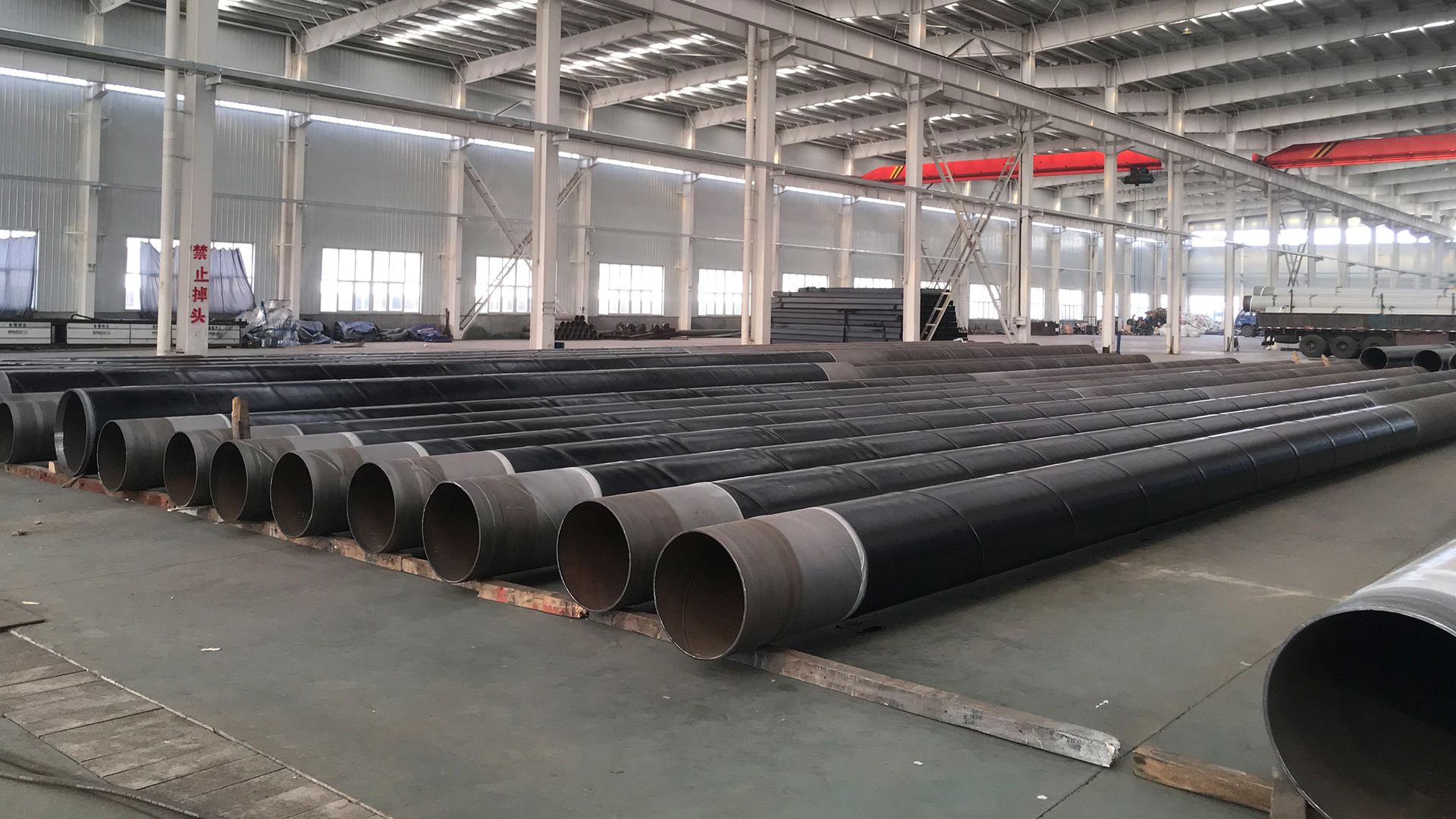
Welded steel pipe is manufactured by rolling steel plates and welding the edges together. This process creates a tubular structure that is strong and durable, making it suitable for high-pressure applications. The manufacturing method allows for various sizes and wall thicknesses, making it a versatile choice in the construction industry. Welded steel pipes are commonly used in structural applications, water supply systems, and even in the oil and gas sector.
3. Advantages of Welded Steel Pipe
Welded steel pipes come with several advantages that make them a favorable choice in many applications:
3.1 Durability and Strength
Welded steel pipes offer high tensile strength and are resistant to various physical and environmental stresses. This durability ensures that the pipes can withstand heavy loads and pressure, making them ideal for structural applications.
3.2 Cost-Effectiveness
The manufacturing process of welded steel pipes is generally more economical than that of seamless pipes. This cost-effectiveness can translate into significant savings, especially for large-scale construction projects.
3.3 Versatility in Size and Thickness
Welded steel pipes are available in a wide range of diameters and wall thicknesses, allowing for customization based on specific project requirements. This versatility makes them suitable for various applications, from plumbing to structural support.
3.4 Ease of Installation
Due to their lightweight nature compared to other types of pipes, welded steel pipes are easier to handle and install. This can lead to reduced labor costs and quicker project completion times.
3.5 Resistance to Corrosion
When coated or galvanized, welded steel pipes exhibit excellent resistance to corrosion, making them suitable for outdoor applications and environments where moisture is present.
4. Disadvantages of Welded Steel Pipe
Despite their advantages, welded steel pipes also have some drawbacks that need to be considered:
4.1 Susceptibility to Weld Defects
The welding process can sometimes introduce defects, such as weak spots or incomplete welds. These defects can compromise the structural integrity of the pipes if not adequately inspected and tested.
4.2 Limited Flexibility
Welded steel pipes are less flexible compared to some other types of pipes, such as PVC. This rigidity can pose challenges in applications requiring bending or curving.
4.3 Weight
While lighter than some alternatives, welded steel pipes can still be heavier than PVC or other plastic pipes, which may increase transportation and installation costs.
5. Seamless Pipes: An Overview
Seamless pipes are manufactured without any welding, which gives them a uniform structure. They are produced from a solid round steel billet that gets heated and then stretched to form a hollow tube. This manufacturing process provides several advantages:
5.1 Enhanced Strength
Seamless pipes tend to have higher strength and reliability due to their lack of welds. This makes them suitable for high-pressure applications in industries like oil and gas.
5.2 Corrosion Resistance
Many seamless pipes are designed with specific coatings that enhance their corrosion resistance, making them ideal for use in harsh environments.
5.3 Higher Cost
The manufacturing process of seamless pipes is more complex and, therefore, more expensive, which can be a significant drawback compared to welded steel pipes.
6. Cast Iron Pipes: Pros and Cons
Cast iron pipes have been used for many years, particularly in sewer systems and drainage applications. Here are some key points to consider:
6.1 Advantages
- **Durability**: Cast iron pipes are known for their long lifespan and durability.
- **Sound Dampening**: They provide excellent sound dampening properties, making them suitable for urban areas.
6.2 Disadvantages
- **Weight**: Cast iron pipes are heavy, making installation labor-intensive.
- **Corrosion**: Over time, cast iron pipes can corrode and may require replacement.
7. PVC Pipes: Advantages and Limitations
PVC pipes are a popular choice for plumbing and drainage due to their lightweight nature and corrosion resistance. Here’s a closer look:
7.1 Advantages
- **Cost-Effective**: PVC pipes are generally less expensive than metal pipes.
- **Corrosion Resistant**: They do not corrode, making them ideal for various applications.
- **Lightweight**: Their lightweight nature simplifies transportation and installation.
7.2 Limitations
- **Temperature Sensitivity**: PVC pipes can become brittle under extreme temperatures.
- **Limited Structural Strength**: They may not be suitable for heavy-duty applications where structural integrity is crucial.
8. Application Comparisons of Different Pipes
When selecting the right type of pipe for your project, it is essential to consider the specific application. Here’s a breakdown of where each type of pipe excels:
8.1 Welded Steel Pipes
Ideal for structural applications, water supply systems, and oil and gas pipelines due to their strength and versatility.
8.2 Seamless Pipes
Best suited for high-pressure applications and industries requiring high-strength materials, such as the oil and gas sector.
8.3 Cast Iron Pipes
Commonly used for sewage systems and drainage due to their sound-dampening properties and durability.
8.4 PVC Pipes
Often the go-to choice for plumbing, irrigation, and drainage systems because of their cost-effectiveness and ease of installation.
9. Frequently Asked Questions
9.1 What is the main difference between welded and seamless pipes?
The primary difference lies in their manufacturing process. Welded pipes have seams from welding steel plates, while seamless pipes are forged from solid billets, resulting in a uniform structure.
9.2 Are welded steel pipes suitable for high-pressure applications?
Yes, welded steel pipes can be suitable for high-pressure applications if properly manufactured and tested for quality.
9.3 What are the advantages of using PVC pipes?
PVC pipes are lightweight, cost-effective, and resistant to corrosion, making them ideal for many plumbing and drainage applications.
9.4 How do I choose the right type of pipe for my project?
Consider factors such as pressure requirements, environmental conditions, and budget constraints. Each type of pipe has its strengths and weaknesses that cater to specific needs.
9.5 Can welded pipes corrode over time?
Yes, if not appropriately coated or protected, welded pipes can corrode, especially in moist environments. Proper maintenance and protective coatings can mitigate this risk.
10. Conclusion
In summary, choosing the right type of pipe for your construction project is crucial for ensuring its longevity and efficiency. **Welded steel pipes** stand out for their **strength**, **cost-effectiveness**, and **versatility**, making them suitable for various applications. However, they come with their own set of disadvantages.
By understanding the differences between welded steel pipes and other options like seamless pipes, cast iron pipes, and PVC pipes, professionals can make informed decisions that best suit their project needs. Ultimately, the right choice will depend on specific requirements, such as application, budget, and environmental factors, ensuring that the integrity and functionality of the piping system are maintained throughout its lifespan.
welded steel pipe
Previous page
Previous page

undefined