

XINYUE
PROJECTS
08
2026
-
09
SSAW Steel Pipes: A Key Component for Sustainable Building Practices
SSAW Steel Pipes: A Key Component for Sustainable Building Practices Table of Contents 1. Introduction to SSAW Steel Pipes 2. The Manufacturing Process of SSAW Steel Pipes 3. Environmental Benefits of SSAW Steel Pipes 3.1 Recyclability and Sustainability 3.2 Energy Efficiency in Production 4. Applications of SSAW Steel
SSAW Steel Pipes: A Key Component for Sustainable Building Practices
Table of Contents
- 1. Introduction to SSAW Steel Pipes
- 2. The Manufacturing Process of SSAW Steel Pipes
- 3. Environmental Benefits of SSAW Steel Pipes
- 4. Applications of SSAW Steel Pipes in Construction
- 5. Future Trends in SSAW Steel Pipe Manufacturing
- 6. Conclusion
- 7. FAQs
1. Introduction to SSAW Steel Pipes
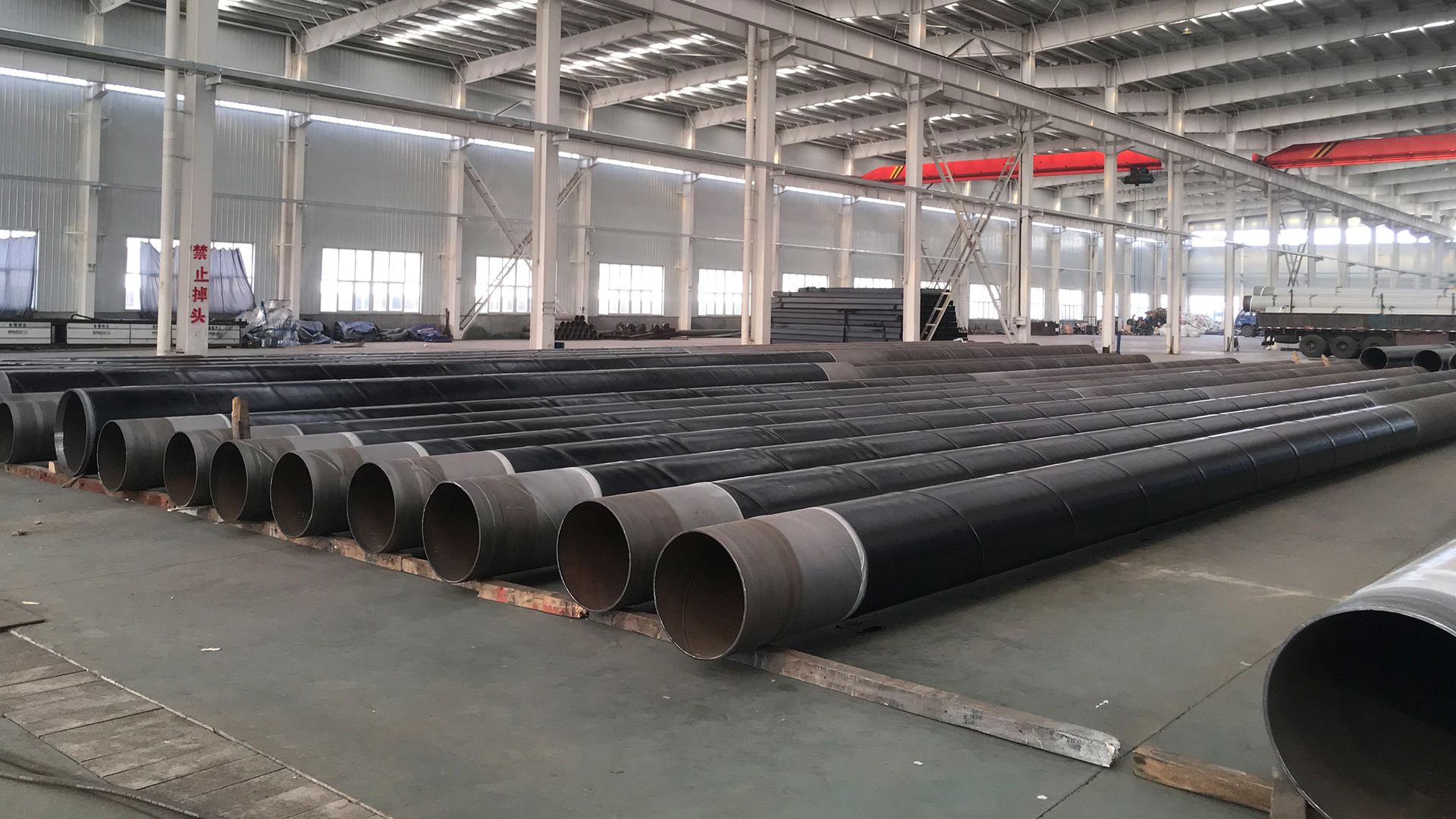
In the era of sustainable construction, **SSAW steel pipes**, or **Spiral Submerged Arc Welded steel pipes**, stand out as a significant innovation. Their unique manufacturing process and structural integrity make them a preferred choice in various building applications. Fabricated by spirally welding steel strips, these pipes offer superior strength and flexibility. As the construction industry pivots toward eco-friendly practices, understanding the advantages of SSAW steel pipes becomes essential for architects, engineers, and builders aiming to meet sustainability goals.
2. The Manufacturing Process of SSAW Steel Pipes
The **manufacturing process** of SSAW steel pipes is both intricate and efficient, contributing to their durability and sustainability. The process involves the following key steps:
1. **Raw Material Preparation**: High-quality steel strips are selected for the production of SSAW pipes, ensuring strength and reliability.
2. **Forming**: The steel strips are fed into a forming machine that spirals them into a cylindrical shape.
3. **Welding**: Using the submerged arc welding technique, the edges of the spirally formed steel strips are fused together. This method provides a robust and reliable joint, minimizing the risk of failure.
4. **Testing and Quality Control**: Rigorous testing procedures are conducted to evaluate the structural integrity and performance of the pipes. This ensures that they meet industry standards and specifications.
5. **Finishing**: Finally, the SSAW pipes undergo surface treatment processes to enhance corrosion resistance and durability, making them suitable for various applications.
This advanced manufacturing process not only enhances the physical properties of SSAW pipes but also reduces material wastage, contributing to more sustainable production practices.
3. Environmental Benefits of SSAW Steel Pipes
SSAW steel pipes offer multiple **environmental benefits** that align with the growing demand for sustainable construction practices. The following sub-sections detail these advantages:
3.1 Recyclability and Sustainability
One of the key advantages of SSAW steel pipes is their **recyclability**. Steel is one of the most recycled materials globally, and SSAW pipes can be easily repurposed at the end of their life cycle. This capability significantly reduces the environmental impact associated with disposal. By promoting a circular economy, the construction industry can minimize waste and reduce the need for virgin materials.
3.2 Energy Efficiency in Production
The energy-efficient production methods utilized in manufacturing SSAW steel pipes further bolster their sustainability profile. Compared to traditional welded pipes, the submerged arc welding process used in SSAW manufacturing consumes less energy and results in lower greenhouse gas emissions. As the industry shifts towards energy-efficient practices, the role of SSAW steel pipes becomes increasingly pivotal.
4. Applications of SSAW Steel Pipes in Construction
The versatility of SSAW steel pipes allows them to be utilized in various construction applications, enhancing their importance in modern building practices.
4.1 Infrastructure Development
In infrastructure development, SSAW pipes are widely used for **water supply**, **sewage systems**, and **oil and gas pipelines**. Their strength and resistance to corrosion make them an ideal choice for transporting fluids over long distances. Additionally, their ability to withstand high pressure ensures that they perform reliably in demanding conditions.
4.2 Residential Building Projects
In residential construction, SSAW pipes are often employed in plumbing and drainage systems. Their durability and resilience to harsh environmental conditions make them suitable for above-ground and underground applications. By incorporating SSAW pipes into residential projects, builders can contribute to the longevity and sustainability of the structures they create.
4.3 Industrial Applications
The industrial sector also benefits from the use of SSAW steel pipes. These pipes are commonly found in manufacturing plants, refineries, and chemical processing facilities. Their ability to handle a wide range of materials, including corrosive substances, makes them a preferred option in industrial applications. Additionally, SSAW pipes can be customized to meet specific requirements, making them highly adaptable.
5. Future Trends in SSAW Steel Pipe Manufacturing
As the demand for sustainable building practices continues to rise, the SSAW steel pipe industry is poised for growth and innovation. Future trends that are likely to shape this industry include:
- **Advanced Materials**: The development of high-strength steel alloys will enhance the performance of SSAW pipes while reducing weight and material usage.
- **Smart Manufacturing**: The integration of smart technologies, such as automation and IoT, will streamline production processes, improve quality control, and reduce waste.
- **Sustainability Initiatives**: Manufacturers are increasingly focusing on sustainable practices, such as using renewable energy sources in production and implementing waste reduction strategies.
These trends indicate a promising future for SSAW steel pipes as a cornerstone of sustainable building practices in the construction industry.
6. Conclusion
In summary, SSAW steel pipes serve as a **key component** in advancing sustainable building practices. Their innovative manufacturing process, recyclability, and diverse applications make them an integral part of modern construction. As the industry continues to evolve, embracing these eco-friendly solutions will not only enhance the durability and efficiency of buildings but will also contribute to a sustainable future. By choosing SSAW steel pipes, architects, engineers, and builders can take significant strides toward reducing their environmental impact and fostering a greener construction landscape.
7. FAQs
What are SSAW steel pipes?
SSAW steel pipes, or Spiral Submerged Arc Welded steel pipes, are manufactured by spirally welding steel strips, making them strong and flexible. They are widely used in construction due to their durability and resistance to corrosion.
How are SSAW steel pipes produced?
The production process involves raw material preparation, forming steel strips into a cylindrical shape, welding the edges using submerged arc welding, and rigorous testing to ensure quality.
What are the environmental benefits of using SSAW steel pipes?
SSAW steel pipes are recyclable and can significantly reduce waste. Their energy-efficient production methods also contribute to lower greenhouse gas emissions.
In what construction applications are SSAW steel pipes commonly used?
SSAW pipes are used in various applications, including infrastructure projects, residential plumbing, drainage systems, and industrial settings such as oil and gas pipelines.
What future trends are expected in SSAW steel pipe manufacturing?
Future trends include the development of advanced materials, smart manufacturing technologies, and a stronger focus on sustainability initiatives within the industry.
SSAW Steel Pipe

undefined